
In The News
AI Lead Generation Trends

Italy Takes Action: New Law Targets Fake Online Reviews
Italy introduces new legislation to combat fake online reviews, imposing strict penalties on violators. The move aims to protect consumers, maintain trust in digital marketplaces, and reflects a growing global trend towards regulating online reviews.

Unleashing the Power of AI: Your Investment Roadmap
This blog post explores three promising AI stocks – NVIDIA, Alphabet, and Microsoft – and their potential for delivering substantial returns over the next decade as artificial intelligence continues to transform industries worldwide.

Elevate Your Photography at 2025 New York Portfolio Review
The New York Times Lens section and CUNY’s Graduate School of Journalism are inviting photographers to apply for the 2025 New York Portfolio Review, offering invaluable feedback from industry professionals.

Unlock Gaming on a Budget with Nintendo Switch Online
This comprehensive review explores the features, user experience, value, and limitations of Nintendo Switch Online, a subscription service that enhances the gaming experience with online multiplayer, cloud saves, and classic NES/SNES libraries.

Franciscan Ethics: Upholding Human Dignity in AI Development
This article explores the ethical implications of artificial intelligence from a Franciscan perspective, emphasizing the need for transparency, accountability, and upholding human dignity while harnessing AI’s potential for the greater good.

Apple Pauses AI News Summaries, Addressing User Concerns
Apple has temporarily suspended its AI-powered news summarization feature due to user feedback and concerns, highlighting the challenges of implementing AI in sensitive areas like news reporting while maintaining accuracy, reliability, and unbiased content.

Unmasking the Perils: Navigating Google Reviews in 2024
This blog post explores the controversial practice of buying Google reviews, the risks involved, and ethical alternatives businesses should consider to build a genuine online reputation based on authentic customer experiences and feedback.

Gmail and Google Docs Supercharged with Free Gemini AI
Google has made its advanced Gemini AI model freely available for Gmail and Google Docs users, democratizing access to cutting-edge writing assistance and productivity tools, potentially transforming the way millions interact with these applications.

Gemini AI: Transforming Gmail and Google Docs for Free
Google integrates its advanced Gemini AI model into Gmail and Google Docs for free, revolutionizing productivity by assisting users in drafting emails, composing documents, and refining content while addressing ethical concerns.

Navigating AI in Academia: Balancing Critical Thinking and Integrity
As AI advances in education, universities must balance its potential benefits with the need to foster critical thinking skills, maintain academic integrity, and address ethical concerns through collaboration and proactive measures.
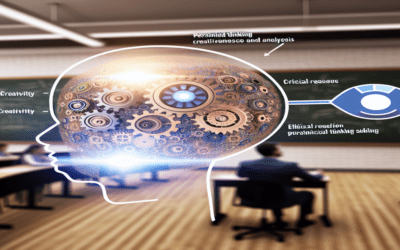
AI in Higher Education: Navigating the Pros and Cons
As AI advances in education, universities must balance its potential benefits with the need to preserve critical thinking skills through innovative teaching strategies, assessment methods, and responsible AI usage guidelines.

AI’s Academic Influence: Navigating Integrity and Critical Thinking
As AI advances in education, universities face the challenge of integrating it while preserving critical thinking skills and academic integrity, necessitating new guidelines, pedagogical approaches, and collaboration among stakeholders to ensure responsible use.

Tech Titans Join Forces: Revolutionizing AI and Cybersecurity
In an unprecedented meeting, former President Trump, Elon Musk, and Satya Nadella discussed the critical issues of artificial intelligence and cybersecurity, highlighting the need for collaboration between policymakers and tech leaders to address the challenges and opportunities of the digital age.

Google’s AI Takeover: Transforming Business Tools
Google is integrating AI capabilities into its business products, such as automated email responses and document summarization, to enhance productivity for enterprises. This proactive approach positions Google competitively in the enterprise software market.

Google’s AI Takeover: Seamless Integration, Transformative Business Implications
Google is integrating AI tools into its business products, regardless of whether businesses request them or not. This proactive approach aims to revolutionize the way businesses operate by enhancing productivity and efficiency through seamless AI integration.

Google’s AI Takeover: Supercharging Business with Automated Smarts
Google plans to seamlessly integrate AI tools into its business products, revolutionizing productivity and efficiency for enterprises. This move reflects a broader trend of AI becoming integral to everyday business operations, presenting both benefits and challenges.

Google’s AI Revolution: Transforming Business Landscape
Google is proactively integrating AI capabilities into its business products, aiming to enhance user productivity and efficiency by automating tasks and providing intelligent suggestions, while addressing privacy and ethical concerns.

Google’s AI Leap: Productivity Boost or Ethical Minefield?
Google is automatically integrating AI features into its enterprise products, revolutionizing workflows and productivity. However, this bold move raises concerns about data privacy and the ethical use of AI in the workplace.

MiniMax: The Budget-Friendly AI Revolution Takes On Tech Titans
MiniMax, a Chinese AI start-up, is disrupting the industry by introducing low-cost, open-source AI models that rival leading chatbots and solutions, making advanced AI technology more accessible and affordable for businesses and developers worldwide.
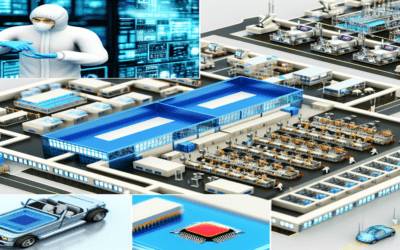
TSMC Poised for Q4 Profit Surge as AI Chip Demand Soars
TSMC, the world’s largest contract chipmaker, is expected to see a significant increase in Q4 profits, driven by surging demand for AI chips as industries recognize the transformative potential of artificial intelligence.

The Dark Side of AI: How Machine Learning Harms Our Planet
The increasing adoption of AI contributes significantly to air pollution due to the immense energy consumption of data centers. Addressing this issue requires transitioning to renewable energy sources and developing energy-efficient algorithms and hardware.