
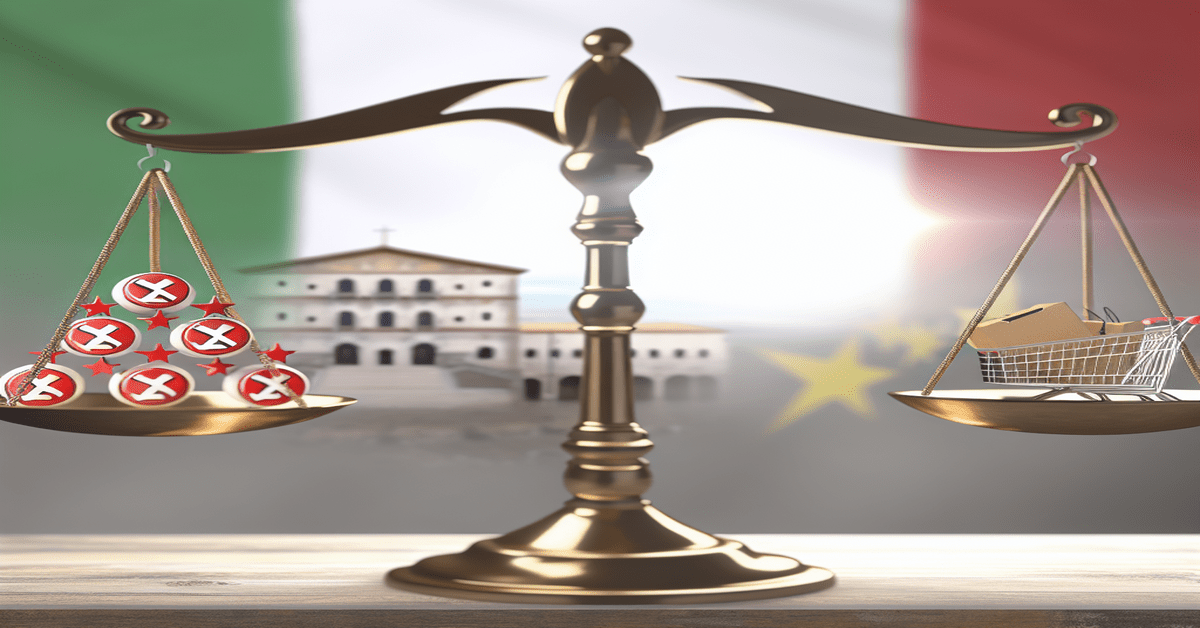
Italy Cracks Down on Fake Online Reviews: A Closer Look at the New Legislation
In a world where online reviews can make or break a business, the issue of fake reviews has become a growing concern for consumers and businesses alike. Italy has taken a significant step towards addressing this problem by introducing new legislation aimed at combating fraudulent online reviews. This move reflects a broader global trend towards regulating online reviews to maintain consumer trust in digital marketplaces.
Understanding the New Italian Legislation
The new Italian law, which came into effect recently, seeks to tackle the issue of fake online reviews head-on. The legislation introduces **stringent penalties** for individuals and businesses found guilty of posting or soliciting fake reviews. These penalties can include substantial fines and other legal consequences, sending a clear message that such practices will not be tolerated.
The Italian Competition Authority (AGCM) has been tasked with enforcing these new regulations. The AGCM has the power to investigate suspected cases of fake reviews and impose fines on violators. This regulatory body will play a crucial role in ensuring that the new legislation is effective in curbing the spread of fraudulent reviews.
The Impact on Businesses and Consumers
The new legislation is expected to have a significant impact on businesses, particularly in sectors like hospitality and e-commerce, where online reviews play a crucial role in attracting customers. Businesses that rely heavily on positive reviews to drive sales will need to be extra vigilant in ensuring that their reviews are genuine and not the result of any unethical practices.
For consumers, the primary goal of the legislation is to provide protection by ensuring that online reviews are trustworthy and accurate. By cracking down on fake reviews, the law aims to help consumers make informed purchasing decisions based on genuine feedback from other customers. This increased transparency is likely to boost consumer confidence in online reviews and, by extension, in the businesses that rely on them.
The International Context
Italy’s move to combat fake online reviews is part of a broader international effort to regulate this space. Many countries around the world have recognized the need for robust regulatory measures to address the issue of fraudulent reviews and maintain consumer trust in digital marketplaces.
For example, in the United States, the Federal Trade Commission (FTC) has been actively pursuing cases against businesses that engage in deceptive online review practices. In 2019, the FTC brought its first case challenging the use of fake paid reviews on independent websites. Similarly, in the United Kingdom, the Competition and Markets Authority (CMA) has launched investigations into the issue of fake reviews and has taken action against businesses found to be engaging in such practices.
The Way Forward
As online reviews continue to play an increasingly important role in shaping consumer behavior and business success, the need for effective regulation becomes more pressing. Italy’s new legislation is a step in the right direction, but it is clear that more needs to be done to address this issue on a global scale.
Businesses have a responsibility to ensure that they are not engaging in or encouraging any unethical review practices. This means implementing strict policies against fake reviews, monitoring reviews for any suspicious activity, and taking swift action against any violations.
Consumers, too, have a role to play in combating fake reviews. By being vigilant and reporting any suspected fake reviews to the relevant authorities, consumers can help to create a more transparent and trustworthy online marketplace.
Conclusion
Italy’s new legislation to combat fake online reviews is a welcome development in the ongoing battle to maintain the integrity of online feedback. By introducing **strong penalties** and empowering a **dedicated regulatory body**, the law sends a clear message that fraudulent review practices will not be tolerated.
As the world becomes increasingly digital, the importance of online reviews in shaping consumer behavior and business success will only continue to grow. It is crucial that we continue to work towards creating a more transparent and trustworthy online environment, where consumers can rely on genuine feedback to make informed decisions, and businesses can thrive based on their true merits.
#FakeReviews #ConsumerProtection #OnlineRegulation #Italy #AGCM
-> Original article and inspiration provided by Hotel News Resource
-> Connect with one of our AI Strategists today at ReviewAgent.ai
