Trump’s AI-Generated Taylor Swift Image Sparks Debate on Lanham Act Violation
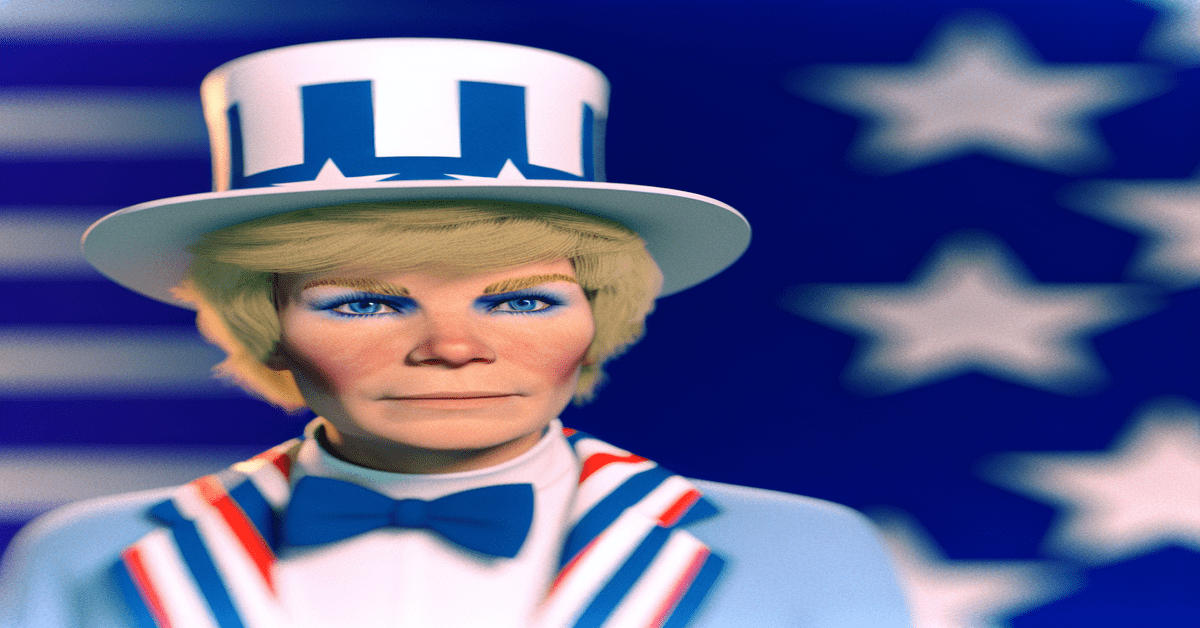
In an unprecedented move, former U.S. President Donald Trump recently shared a fabricated image on his Truth Social platform, depicting pop icon Taylor Swift as Uncle Sam, alongside the phrase “Taylor Wants You to Vote for Trump.” The image, generated using artificial intelligence (AI), has raised eyebrows and sparked discussions about potential legal implications under the Lanham Act.
The Lanham Act, a federal law enacted in 1948, is designed to protect trademarks and prevent the unauthorized use of images in commercial advertising. It also safeguards celebrities’ likenesses and images from misleading or deceptive use. In this case, the fabricated image of Taylor Swift seemingly endorsing Trump’s presidential campaign has caught the attention of legal experts.
The Potential Lanham Act Violation
According to legal experts, Taylor Swift could potentially take legal action against Donald Trump under the Lanham Act. The act protects celebrities from the unauthorized use of their likeness and image, particularly when it creates a false impression of endorsement or association.
In this instance, the AI-generated image of Swift dressed as Uncle Sam, accompanied by the phrase “Taylor Wants You to Vote for Trump,” could be interpreted as a misleading representation of her political stance. Swift, known for her vocal support of progressive causes and her opposition to Trump’s policies, has not endorsed his presidential campaign.
Proving Voters as “Consumers” Under the Lanham Act
However, for Swift to successfully pursue legal action under the Lanham Act, she would need to demonstrate that voters can be classified as “consumers” within the context of the act. This is a crucial point of contention, as the Lanham Act primarily focuses on commercial advertising and trademark infringement.
Legal experts suggest that Swift’s legal team would need to argue that the fabricated image, shared on a social media platform, constitutes a form of advertising or promotion that influences voters’ decisions. If successful, this could set a precedent for extending the Lanham Act’s protections to political campaigns and their use of celebrity likenesses.
The Implications for Celebrities and Political Campaigns
The incident involving Donald Trump and the AI-generated Taylor Swift image highlights the growing concern over the use of artificial intelligence in political campaigns. As AI technology advances, it becomes easier to create realistic fabrications that can mislead the public and misrepresent celebrities’ views and endorsements.
This case also underscores the importance of celebrities protecting their **publicity rights** and taking action against false endorsements. In the past, artists have successfully prevented their music and images from being used by political candidates without their consent. Swift’s potential legal action against Trump could serve as a reminder to political campaigns to exercise caution when using celebrity likenesses, even in the context of AI-generated content.
The Need for Clarity and Regulation
As artificial intelligence continues to evolve and become more sophisticated, it is crucial for lawmakers and legal experts to address the challenges posed by AI-generated content in political campaigns. The current legal framework, including the Lanham Act, may require updates and clarifications to effectively handle cases involving AI-fabricated images and false endorsements.
Moreover, political campaigns must be held accountable for their use of AI-generated content and ensure that they do not mislead voters or misrepresent celebrities’ views. **Transparency** and **ethical guidelines** should be established to prevent the spread of misinformation and protect the integrity of the democratic process.
Moving Forward
The controversy surrounding Donald Trump’s use of an AI-generated Taylor Swift image has ignited a much-needed conversation about the intersection of artificial intelligence, celebrity rights, and political campaigns. As this case unfolds, it will be crucial to monitor its impact on the interpretation and application of the Lanham Act.
Celebrities, political figures, and the public alike must remain vigilant in the face of AI-generated content and work together to ensure that the truth prevails. By holding individuals accountable for their actions and promoting responsible use of AI technology, we can foster a more transparent and trustworthy political landscape.
As we navigate this uncharted territory, it is essential to engage in open discussions, seek expert opinions, and collaborate to develop robust frameworks that protect celebrities’ rights, maintain the integrity of political campaigns, and safeguard the public from misleading or fabricated content.
#AI #LanhamAct #CelebrityRights #PoliticalCampaigns
-> Original article and inspiration provided by Newsweek
-> Connect with one of our AI Strategists today at Opahl Technologies
