
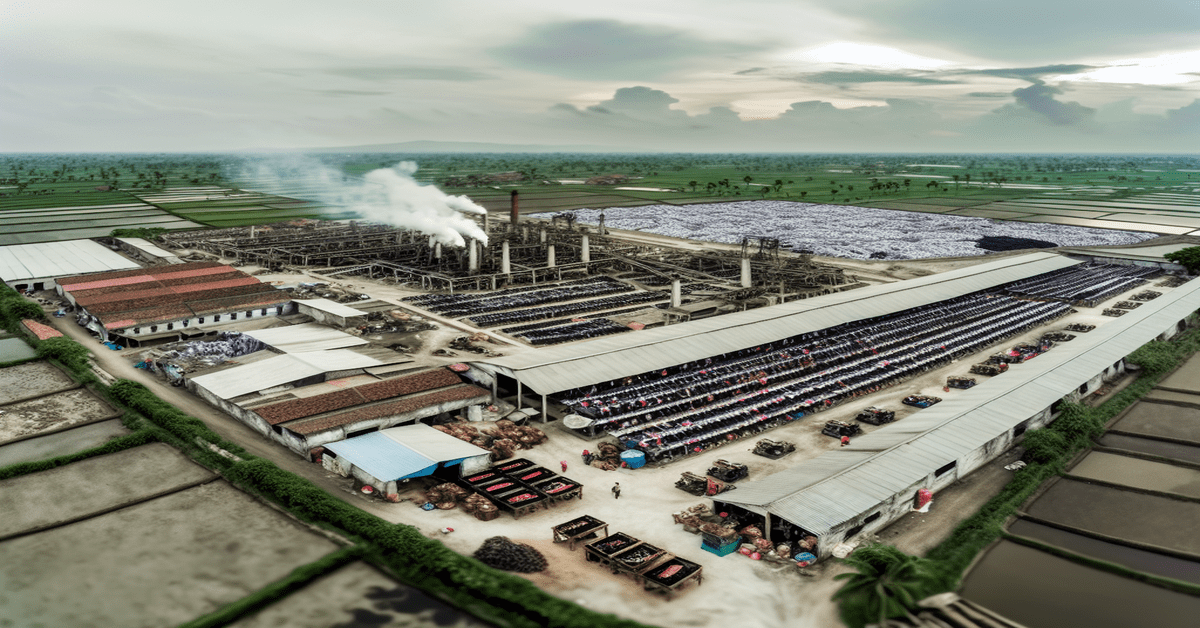
The Dark Side of Fast Fashion: How One TikToker Used Google Maps to Expose Poor Working Conditions
In a world where fashion trends change faster than the seasons, it’s easy to get caught up in the allure of cheap, trendy clothes. However, the true cost of our fashion choices is often hidden from view. Jaime Elana Pelletier, a TikTok user, recently used Google Maps to shed light on the harsh reality faced by workers in the fast fashion industry.
Pelletier’s video, which has since gone viral, showcases the working conditions at Wuxian Garment Indonesia, a textile factory located in West Java. The footage reveals the stark contrast between the glamorous world of fashion and the exploitative conditions endured by the workers who make our clothes.
The Reality of Fast Fashion
Fast fashion, a term used to describe the rapid production of inexpensive, trendy clothing, has become a dominant force in the industry. Companies like H&M and Shein have built their empires on the backs of workers in developing countries, where labor laws are often weak or poorly enforced.
The demand for cheap, disposable clothing has led to a race to the bottom, with fashion brands constantly seeking out the lowest production costs. This has resulted in a system that relies on the exploitation of workers, many of whom are women and children.
The Human Cost of Cheap Clothes
Workers in fast fashion factories often face long hours, low wages, and unsafe working conditions. Many are forced to work in cramped, poorly ventilated spaces, with little to no access to basic necessities like clean water and sanitation facilities.
In addition to the physical toll, workers also face psychological stress and trauma. The pressure to meet demanding production quotas can lead to verbal and physical abuse from supervisors, creating a culture of fear and intimidation.
The Environmental Impact
The fast fashion industry not only exploits workers but also takes a heavy toll on the environment. The constant demand for new clothing has led to a culture of disposability, with millions of tons of textiles ending up in landfills each year.
Moreover, the production of fast fashion is highly resource-intensive, requiring vast amounts of water, energy, and chemicals. The use of synthetic materials like polyester and nylon, which are derived from fossil fuels, further contributes to the industry’s carbon footprint.
The Need for Change
Pelletier’s video is a powerful reminder of the urgent need for change in the fashion industry. As consumers, we have the power to demand transparency and accountability from the brands we support. By choosing to invest in ethical and sustainable fashion, we can help to create a more just and equitable world.
However, the responsibility for change cannot fall solely on the shoulders of consumers. Fashion brands must also take action to address the human rights and environmental abuses in their supply chains. This includes implementing strict labor standards, providing fair wages and benefits, and investing in sustainable production practices.
The Role of Government
Governments also have a crucial role to play in regulating the fashion industry and protecting the rights of workers. Stronger labor laws and enforcement mechanisms are needed to ensure that companies are held accountable for their actions and that workers are able to advocate for their rights without fear of retaliation.
In addition, governments can provide incentives for companies to adopt more sustainable and ethical practices, such as tax breaks for investing in renewable energy or subsidies for using eco-friendly materials.
A Call to Action
Pelletier’s video is a call to action for all of us to take a stand against the injustices of the fast fashion industry. By raising awareness and demanding change, we can help to create a more just and sustainable future for all.
As consumers, we can start by educating ourselves about the true cost of our fashion choices and making informed decisions about the brands we support. We can also use our voices to advocate for change, whether through social media, petitions, or direct communication with fashion brands.
For those in the fashion industry, now is the time to take bold action to address the human rights and environmental abuses in your supply chains. This may require significant changes to your business model and a willingness to prioritize ethics over profits.
Together, we have the power to transform the fashion industry into one that values people and the planet over cheap, disposable clothing. Let us seize this moment and work towards a future where fashion is a force for good, rather than a source of exploitation and harm.
#FastFashion #EthicalFashion #SustainableFashion
-> Original article and inspiration provided by ReviewAgent.ai
-> Connect with one of our AI Strategists today at ReviewAgent.ai
