
The Alarming Rise of Fake Online Reviews: How to Spot the Red Flags
In today’s digital age, online reviews have become a crucial factor in the decision-making process for consumers. Whether we’re looking to purchase a new product, book a hotel, or try out a restaurant, we often rely on the opinions and experiences shared by others to guide our choices. However, not all reviews are created equal. In fact, a growing number of online reviews are not written by actual people but rather by bots or individuals hired to post positive or negative feedback. This alarming trend has significant implications for both consumers and businesses alike.
The Importance of Authentic Reviews
Genuine reviews provide valuable insights into the quality, performance, and overall experience associated with a product or service. They help potential customers make informed decisions and set realistic expectations. For businesses, honest reviews serve as a form of feedback, allowing them to identify areas for improvement and enhance their offerings. However, the rise of fake reviews undermines the credibility and usefulness of online feedback, leading to a distorted perception of quality and value.
The Tactics Behind Fake Reviews
Fake reviews come in various forms and are generated through different means. Some companies hire individuals or agencies to write positive reviews about their products or services, while others use automated bots to flood review platforms with fabricated feedback. On the flip side, some businesses may engage in negative campaigns against their competitors, posting false negative reviews to damage their reputation.
These tactics are not only unethical but also illegal in many countries. The Federal Trade Commission (FTC) in the United States, for example, has taken action against companies found to be engaging in deceptive review practices. In 2019, the FTC brought its first case challenging the sale of fake reviews on an independent website.
How to Spot Fake Reviews
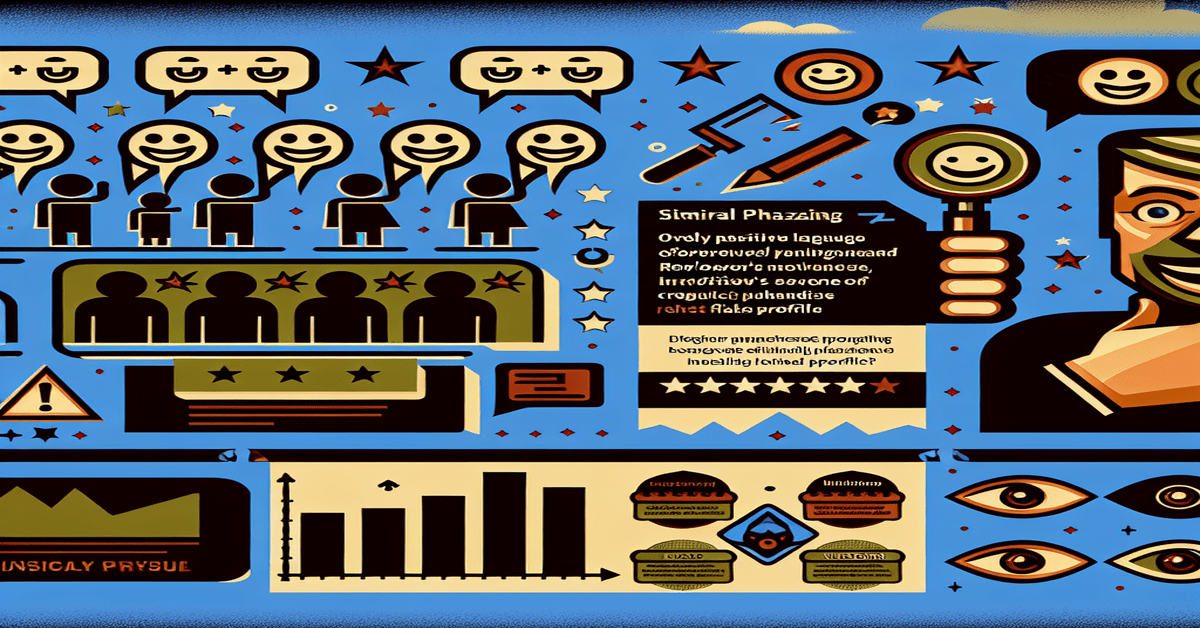
As a consumer, it’s essential to be vigilant and learn how to identify fake reviews. Here are some key red flags to watch out for:
1. Overly Positive Language: Reviews that use excessively positive language or seem too good to be true may be fake. Genuine reviews often include both positive and negative aspects, providing a balanced perspective.
2. Similar Phrasing: If you notice multiple reviews with similar phrasing or identical sentences, it could indicate that they were written by the same person or generated by a bot.
3. Unusual Patterns: A sudden surge in reviews over a short period, especially if they are all glowingly positive, should raise suspicions. Authentic reviews tend to trickle in gradually over time.
4. Reviewer’s History: Take a look at the reviewer’s profile and history. If they have only reviewed one product or have a pattern of posting similar reviews across different products or services, it may be a sign of a fake reviewer.
5. Verified Purchases: Many review platforms, such as Amazon, have a “verified purchase” label to indicate that the reviewer has actually bought the product. While not foolproof, reviews marked as verified purchases are more likely to be genuine.
The Role of Review Platforms
Review platforms play a crucial role in combating fake reviews. Many platforms have implemented algorithms and fraud detection systems to identify and remove suspicious reviews. They also provide users with the ability to flag or report reviews that they believe to be fake.
However, the responsibility doesn’t solely lie with the platforms. Businesses must also take an active stance against fake reviews. They should encourage genuine feedback from their customers and refrain from engaging in any deceptive practices. By fostering a culture of transparency and authenticity, businesses can build trust with their customers and maintain a positive online reputation.
The Future of Online Reviews
As the battle against fake reviews continues, technological advancements offer hope for a more transparent and trustworthy online review landscape. Blockchain technology, for instance, has the potential to create immutable and tamper-proof review systems. By leveraging blockchain, reviews can be verified and traced back to their original source, making it much harder for fake reviews to infiltrate the system.
Moreover, artificial intelligence (AI) and machine learning algorithms are being developed to detect and flag suspicious review patterns more effectively. These technologies can analyze vast amounts of data, identifying anomalies and inconsistencies that may indicate fake reviews.
Conclusion
The rise of fake online reviews poses a significant challenge for both consumers and businesses. It erodes trust, distorts perceptions, and hinders informed decision-making. As consumers, we must remain vigilant and learn to spot the red flags associated with fake reviews. By being proactive and reporting suspicious activity, we can contribute to a more authentic and reliable online review ecosystem.
Businesses, on the other hand, must prioritize transparency and encourage genuine feedback from their customers. They should actively monitor their online presence and take swift action against any fake reviews that may arise.
As technology evolves, we can expect to see more sophisticated solutions for combating fake reviews. However, the fight against this deceptive practice requires a collaborative effort from review platforms, businesses, and consumers alike. By working together and upholding the principles of honesty and integrity, we can maintain the value and credibility of online reviews, ensuring that they remain a trusted resource for informed decision-making.
So, the next time you’re reading reviews online, keep these tips in mind and don’t hesitate to share your own genuine experiences. Together, we can create a more transparent and trustworthy online review landscape.
#FakeReviews #OnlineTransparency #ConsumerAwareness
-> Original article and inspiration provided by Berndt Petersen
-> Connect with one of our AI Strategists today at ReviewAgent.ai