
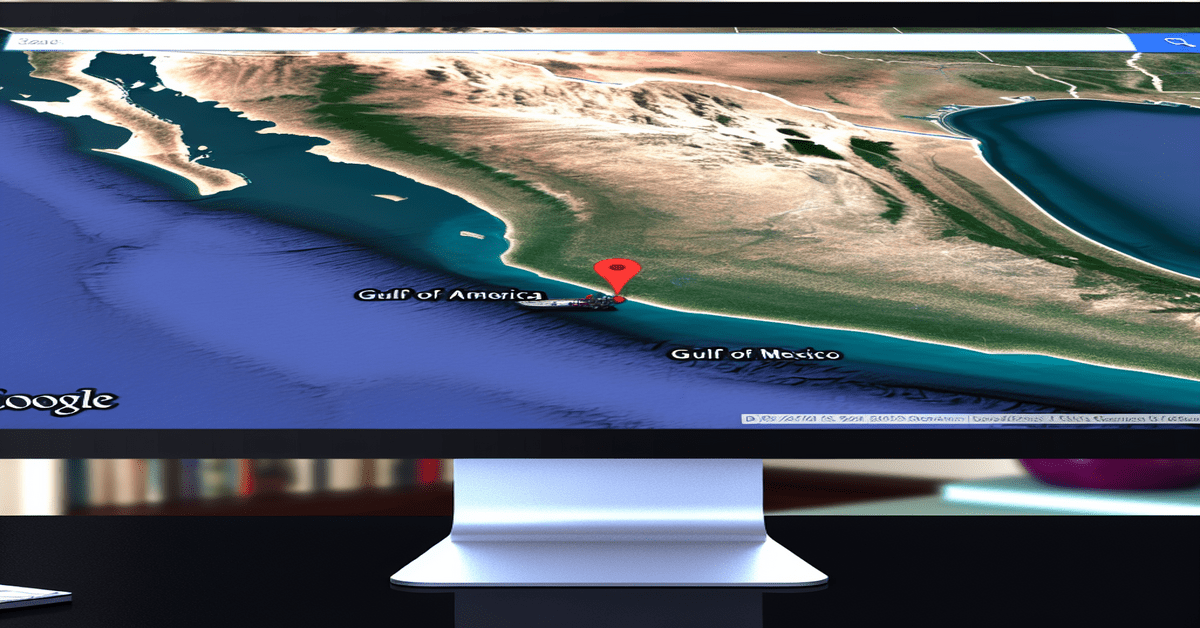
Apple Maps Renames Gulf of Mexico to Gulf of America: The Implications of Tech Giants Influencing Geography
In a surprising move that has sparked discussions across various industries, Apple has recently renamed the “Gulf of Mexico” to the “Gulf of America” on its mapping service. This change follows a similar decision made by Google, raising questions about the growing influence of tech giants on geographical nomenclature and user perceptions.
The Power of Mapping Services
In today’s digital age, mapping services like Apple Maps and Google Maps have become integral parts of our daily lives. We rely on these tools for navigation, exploration, and understanding the world around us. However, the recent renaming of the Gulf of Mexico to the Gulf of America highlights the significant power these tech companies wield in shaping our perception of geography.
While the reasons behind Apple’s decision remain unclear, it is evident that such changes can have far-reaching implications. Mapping services are not merely tools for navigation; they also serve as digital representations of our world. When a major tech company like Apple or Google decides to alter the name of a significant geographic feature, it can influence how millions of users perceive and refer to that location.
The Importance of Geographical Accuracy
Geographical accuracy is crucial for various industries, including education, tourism, and international relations. The renaming of the Gulf of Mexico to the Gulf of America raises concerns about the potential impact on these sectors. Students learning about world geography may be confused by the inconsistency between traditional naming conventions and the labels used by popular mapping services. Tourist destinations in the region may face challenges in marketing and branding, as the new name may not align with long-established identities.
Moreover, the renaming could have diplomatic implications, particularly for countries bordering the gulf. The Gulf of Mexico has been recognized by its current name for centuries, and a unilateral decision by a tech company to alter its designation may be seen as disregarding the sovereignty and cultural heritage of the nations involved.
The Need for Transparency and Collaboration
As tech giants increasingly shape our digital world, it is crucial for them to operate with transparency and engage in collaborative efforts with relevant stakeholders. When making decisions that impact geographical nomenclature, companies like Apple and Google should consider the potential consequences and consult with experts in the field, such as geographers, historians, and international organizations.
Transparency regarding the reasoning behind such changes is essential to maintain trust and credibility among users. If there are compelling reasons for renaming a geographic feature, tech companies should openly communicate these justifications to the public. Additionally, collaboration with local authorities, educational institutions, and other stakeholders can help ensure that any changes align with cultural sensitivities and historical accuracy.
Balancing Innovation and Responsibility
While tech companies are known for their innovative spirit and pushing boundaries, they must also recognize their responsibility in shaping public perception. The renaming of the Gulf of Mexico to the Gulf of America may be seen as a unilateral move that disregards established norms and conventions.
As we navigate the digital age, it is essential for tech giants to strike a balance between innovation and responsibility. They should strive to enhance user experiences while also respecting cultural heritage, geographical accuracy, and the concerns of affected communities. By engaging in open dialogue and collaboration, tech companies can work towards creating mapping services that accurately represent our world and serve the needs of users worldwide.
The Future of Geographical Naming in the Digital Age
The renaming of the Gulf of Mexico to the Gulf of America by Apple Maps is just one example of how tech companies are influencing geographical naming conventions. As digital mapping services continue to evolve and gain prominence, it is likely that we will see more instances of tech giants shaping the way we perceive and refer to geographic locations.
This trend raises important questions about the future of geographical naming in the digital age. Will traditional naming conventions gradually give way to the labels used by popular mapping services? How can we ensure that the interests of local communities and historical accuracy are preserved in the face of technological influence?
These are complex issues that require ongoing discussion and collaboration among tech companies, geographers, policymakers, and the general public. By fostering a dialogue and working together, we can navigate the challenges and opportunities presented by the growing influence of tech giants on our understanding of the world.
Conclusion
The renaming of the Gulf of Mexico to the Gulf of America by Apple Maps has ignited a debate about the power and responsibility of tech giants in shaping geographical nomenclature. As mapping services become increasingly influential in our daily lives, it is crucial for companies like Apple and Google to operate with transparency, engage in collaborative efforts, and consider the potential implications of their decisions.
By striking a balance between innovation and responsibility, tech companies can contribute to the creation of accurate and culturally sensitive digital representations of our world. As users, it is essential for us to be aware of the influence these services have on our perception of geography and to actively participate in the ongoing dialogue about the future of geographical naming in the digital age.
What are your thoughts on the renaming of the Gulf of Mexico to the Gulf of America by Apple Maps? How do you think tech companies should approach geographical naming conventions in the future? Share your opinions in the comments below and let’s continue this important conversation.
#GulfOfAmerica #AppleMaps #GeographicalNaming #TechInfluence
-> Original article and inspiration provided by USA Today
-> Connect with one of our AI Strategists today at ReviewAgent.ai