
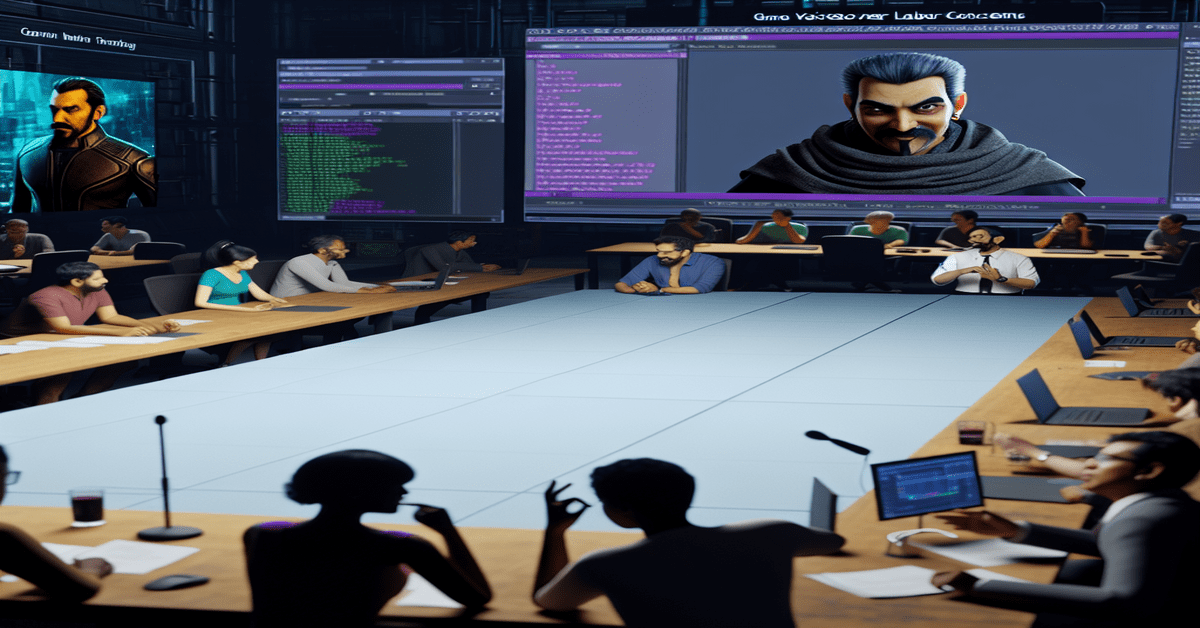
SAG-AFTRA Files Unfair Labor Complaint Against Epic Games Over AI-Generated Darth Vader Voice in Fortnite
In a groundbreaking move, the Screen Actors Guild-American Federation of Television and Radio Artists (SAG-AFTRA) has filed an unfair labor practice complaint against Llama Productions, a subsidiary of Epic Games, over the use of AI technology to recreate the iconic voice of Darth Vader in the popular video game Fortnite. This complaint, filed with the National Labor Relations Board (NLRB), marks a significant moment in the ongoing conversation about the impact of AI on the entertainment industry and the rights of voiceover artists.
The Controversy Surrounding Darth Vader’s AI-Generated Voice
The issue at hand arose when Fortnite introduced Darth Vader as a boss character, complete with an AI-generated voice modeled after the legendary James Earl Jones, who originally portrayed the character. While the use of Jones’ voice was approved by his family, SAG-AFTRA’s complaint is not about the specific use of his voice, but rather the broader implications of using AI to replace work typically performed by human voiceover artists without prior notice or bargaining over terms with the union.
SAG-AFTRA’s Stance on AI and Voiceover Work
SAG-AFTRA has been vocal about its commitment to protecting the rights of its members when it comes to the use of AI technology in replacing their work. The union maintains that it is not opposed to the use of AI in the entertainment industry, but rather seeks to ensure that its members have a seat at the table when it comes to negotiating the terms and conditions under which AI is used.
In a statement, SAG-AFTRA emphasized, “The union is not seeking to prohibit the use of AI but is demanding that employers negotiate with the union before using artificial intelligence to replace the work of its members.” This stance highlights the need for open dialogue and collaboration between unions, artists, and employers as the industry navigates the rapidly evolving landscape of AI technology.
The Implications for the Entertainment Industry
The complaint filed by SAG-AFTRA against Epic Games has far-reaching implications for the entire entertainment industry. As AI continues to advance and become more prevalent in various aspects of production, from voiceovers to visual effects, it is crucial that the rights and livelihoods of artists are protected.
This case serves as a wake-up call for the industry to address the challenges and opportunities presented by AI head-on. It underscores the need for proactive discussions and negotiations between unions, studios, and technology companies to ensure that the integration of AI is done in a fair and equitable manner, with the interests of all stakeholders taken into account.
The Future of AI in Entertainment
While the outcome of SAG-AFTRA’s complaint against Epic Games remains to be seen, one thing is certain: the use of AI in the entertainment industry is here to stay. As the technology continues to evolve and become more sophisticated, it will undoubtedly play an increasingly significant role in various aspects of production.
However, the key to successfully integrating AI into the industry lies in finding a balance between embracing innovation and protecting the rights of artists. This requires open communication, collaboration, and a willingness to adapt and evolve on the part of all parties involved.
As we move forward, it is essential that the entertainment industry proactively addresses the challenges and opportunities presented by AI. This includes establishing clear guidelines and protocols for the use of AI in production, ensuring fair compensation and credit for artists whose work is impacted by the technology, and fostering a culture of transparency and collaboration between unions, studios, and technology companies.
A Call to Action
The complaint filed by SAG-AFTRA against Epic Games serves as a powerful reminder of the urgent need for the entertainment industry to come together and address the impact of AI on the rights and livelihoods of artists. It is a call to action for all stakeholders to engage in meaningful dialogue, negotiate in good faith, and work towards solutions that benefit everyone involved.
As members of the entertainment community, we all have a role to play in shaping the future of AI in our industry. Whether you are an artist, a producer, a technologist, or simply a fan, your voice matters. We encourage you to stay informed about the latest developments in AI and its impact on the industry, support the efforts of unions like SAG-AFTRA to protect the rights of artists, and actively participate in the ongoing conversation about how we can harness the power of AI while ensuring that the human element remains at the heart of our creative endeavors.
Together, we can navigate this exciting and challenging new frontier, and build an entertainment industry that is both innovative and equitable, where the contributions of artists are valued and respected, and where the power of AI is harnessed to enhance, rather than replace, the magic of human creativity.
#AI #EntertainmentIndustry #VoiceoverArtists #Fortnite #SAGAFTRA
-> Original article and inspiration provided by The Verge
-> Connect with one of our AI Strategists today at ReviewAgent.ai
