
Predictive Vehicle Technology: Transforming the Passenger Car Experience
In the rapidly evolving automotive industry, predictive vehicle technology is emerging as a game-changer, particularly in the passenger car segment. As consumers increasingly prioritize safety, efficiency, and seamless driving experiences, predictive technology is poised to revolutionize the way we interact with our vehicles. In this blog post, we’ll explore the market dynamics, challenges, and opportunities surrounding predictive vehicle technology in the passenger car segment.
Market Dynamics and Growth
The global predictive vehicle technology market is experiencing significant growth, with a projected compound annual growth rate (CAGR) of 9.67% from 2023 to 2033. In 2023 alone, the market was valued at a staggering USD 60.47 billion[1]. This growth is driven by the increasing demand for enhanced safety features, improved fuel efficiency, and a more seamless driving experience.
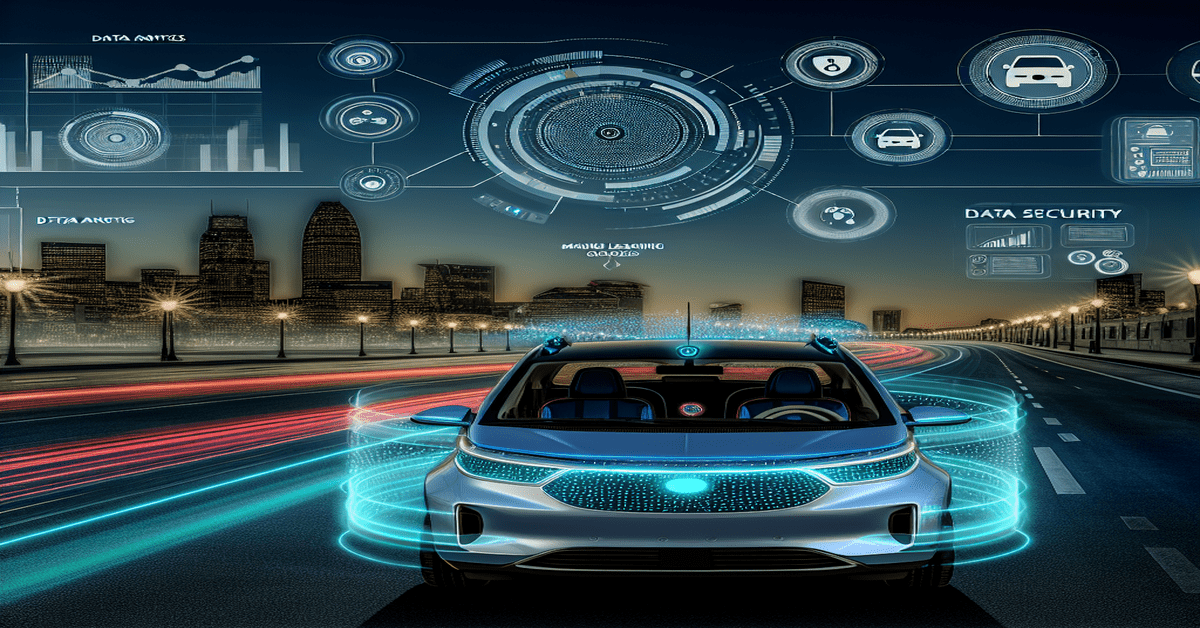
Predictive vehicle technology leverages advanced data analytics, machine learning algorithms, and sensor fusion to anticipate and mitigate potential issues before they occur. By analyzing vast amounts of data from various sources, such as vehicle sensors, driver behavior, and environmental factors, predictive technology enables proactive maintenance, optimized performance, and personalized in-car experiences.
Challenges and Solutions
While the potential of predictive vehicle technology is immense, several challenges need to be addressed for widespread adoption. One of the primary concerns revolves around **data security and privacy**. With the collection and analysis of vast amounts of vehicle and driver data, ensuring the protection of sensitive information is crucial. Robust data security measures, such as encryption and secure data storage, must be implemented to maintain consumer trust.
Another challenge lies in **data integration and standardization**. Predictive technology relies on data from multiple sources, including vehicle sensors, telematics systems, and external databases. Integrating and standardizing this data can be complex, requiring collaboration among industry stakeholders to establish open data standards and protocols.
**Algorithm accuracy and reliability** are also critical considerations. Predictive algorithms must undergo rigorous testing and validation to ensure their accuracy, especially in safety-critical applications. False positives or missed predictions can have severe consequences, emphasizing the need for continuous refinement and improvement of predictive models.
Cost sensitivity poses another challenge, as predictive technology solutions must be affordable for widespread adoption. Developing cost-effective solutions that balance functionality and affordability is essential to make predictive technology accessible to a broader consumer base.
To address these challenges, industry players are actively working on solutions. Implementing robust data security measures, such as encryption and secure data storage, is a top priority. Promoting open data standards and collaboration among stakeholders can streamline data integration efforts. Rigorous testing and validation of predictive algorithms ensure their accuracy and reliability. Developing cost-effective solutions through innovative approaches and economies of scale is also crucial.
Opportunities and Future Outlook
Despite the challenges, the passenger car segment presents immense opportunities for predictive vehicle technology. Advancements in artificial intelligence (AI) and machine learning are enabling more sophisticated predictive maintenance capabilities. By analyzing vehicle data in real-time, predictive algorithms can identify potential component failures, optimize maintenance schedules, and reduce downtime.
The growing demand for connected vehicles is another significant opportunity. With the proliferation of IoT devices and 5G networks, vehicles are becoming increasingly connected, enabling real-time data exchange and remote diagnostics. Predictive technology can leverage this connectivity to provide proactive safety features, such as collision avoidance and driver assistance systems.
Geographically, North America is expected to be a key region for the growth of predictive vehicle technology. The region’s strong technological infrastructure, supportive regulatory environment, and consumer demand for advanced features make it a prime market for innovation and adoption.
As the automotive industry continues to evolve, predictive vehicle technology will play a pivotal role in shaping the future of passenger cars. By enhancing safety, efficiency, and the overall driving experience, predictive technology has the potential to transform the way we interact with our vehicles. However, addressing challenges such as data security, consumer trust, and cost-effectiveness will be crucial for widespread adoption.
#PredictiveVehicleTechnology #ConnectedCars #AutomotiveInnovation
What are your thoughts on the future of predictive vehicle technology in passenger cars? Share your insights and experiences in the comments below!
-> Original article and inspiration provided by ReviewAgent.ai
-> Connect with one of our AI Strategists today at ReviewAgent.ai
