
Protecting Your Home from Storm Damage: What Standard Home Insurance Covers
As a homeowner, one of your top priorities is ensuring that your home and belongings are protected against potential risks. Severe storms can strike at any time, causing significant damage to your property. It’s crucial to understand what your standard home insurance policy covers when it comes to storm-related damage.
What Does Standard Home Insurance Cover?
A typical home insurance policy provides coverage for various types of storm damage, including:
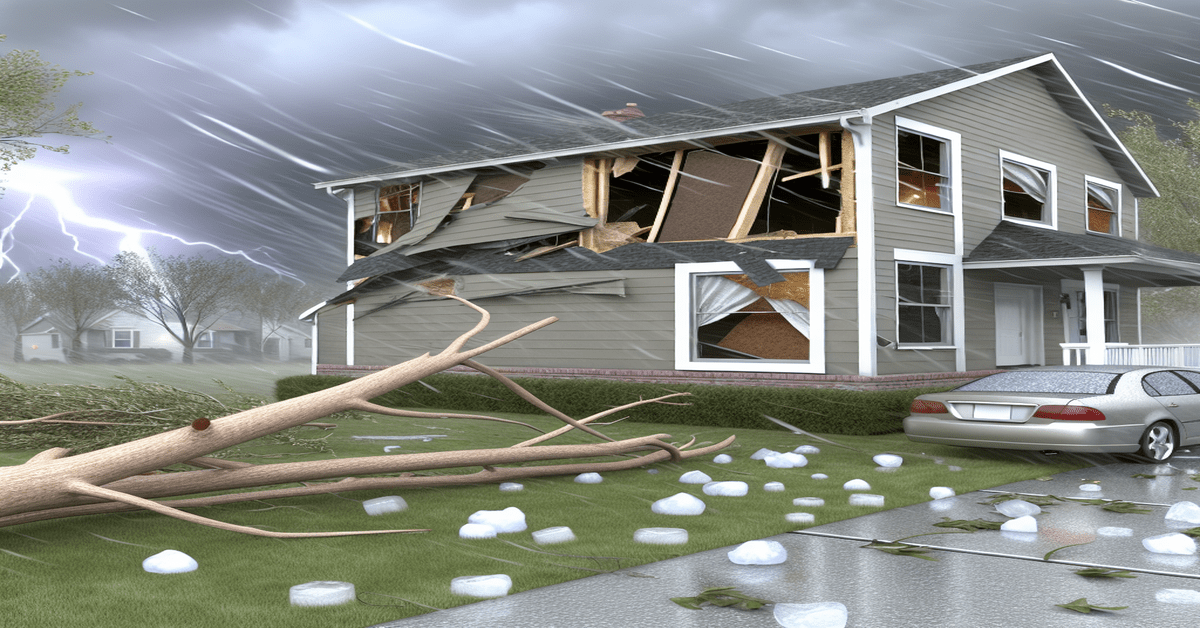
1. Wind Damage: Your policy will likely cover damage caused by high winds, such as damage to your roof, siding, and windows. If a tree falls on your home due to strong winds, the resulting damage is usually covered as well.
2. Hail Damage: If your home sustains damage from hail, such as dents or holes in your roof or siding, your insurance policy will generally provide coverage for repairs or replacement.
3. Lightning Strikes: If lightning strikes your home, causing a fire or power surge damage to your electrical systems and appliances, your policy will typically cover the resulting damage.
4. Fallen Trees: If a tree falls on your home or other insured structures due to a storm, the damage is usually covered under your policy’s dwelling, personal property, and other structures sections.
Additional Coverage for Storm-Related Damage
In addition to covering the physical damage to your home, your standard home insurance policy may also provide:
1. Loss of Use Coverage: If your home becomes uninhabitable due to storm damage, your policy may cover additional living expenses, such as temporary housing and meals, while your home is being repaired.
2. Personal Property Coverage: If your personal belongings are damaged or destroyed by a covered storm event, your policy will typically provide coverage to repair or replace them, subject to your policy’s limits and deductibles.
What Standard Home Insurance Doesn’t Cover
While standard home insurance policies cover many storm-related damages, there are some exclusions to keep in mind:
1. Flood Damage: Standard policies do not cover damage caused by flooding, even if the flooding is a result of a severe storm. To protect your home against flood damage, you’ll need to purchase a separate flood insurance policy.
2. Wear and Tear: If your home sustains damage due to lack of maintenance or normal wear and tear, your insurance policy will not provide coverage for repairs.
3. Earthquakes: Damage caused by earthquakes is typically not covered under standard home insurance policies. You may need to purchase a separate earthquake insurance policy if you live in an area prone to seismic activity.
4. Sewer Backup: If your home experiences sewer backup due to flooding, the resulting damage is usually not covered by standard home insurance policies.
Special Considerations for Storm Damage
It’s important to note that some policies may have higher deductibles for certain types of storm damage. For example, hurricane-related wind damage may be subject to a separate, higher deductible than other types of storm damage. Additionally, damage to a car parked outside your home caused by a fallen tree may not be covered under your home insurance policy unless the tree also caused damage to your home or other insured structures. In such cases, you would need to file a claim under your auto insurance policy.
Reviewing Your Policy and Being Prepared
To ensure that you have adequate protection against storm damage, it’s essential to review your home insurance policy carefully. Pay close attention to coverage limits, exclusions, and any special deductibles that may apply to specific types of storms. If you have any questions or concerns, don’t hesitate to reach out to your insurance agent for clarification.
In addition to having the right insurance coverage, there are steps you can take to minimize the risk of storm damage to your home. These include:
1. Regularly maintaining your home’s exterior, including the roof, gutters, and siding
2. Trimming trees near your home to reduce the risk of fallen branches
3. Securing outdoor furniture and other items that could be blown away by strong winds
4. Installing storm shutters or impact-resistant windows in areas prone to severe storms
By taking a proactive approach to storm protection and ensuring that you have adequate insurance coverage, you can have peace of mind knowing that your home and belongings are well-protected against the unexpected.
#HomeInsurance #StormDamage #PropertyProtection
-> Original article and inspiration provided by Best American Insurance
-> Connect with one of our Best American Insurance Agents today at Best American Insurance
