
Google Maps Turns 20: A Journey of Innovation and Exploration
Google Maps, the ubiquitous navigation tool that has become an integral part of our daily lives, is celebrating its 20th anniversary this year. Launched in 2005, Google Maps has revolutionized the way we navigate and explore the world around us. From its humble beginnings as a simple mapping service to its current state as a feature-rich, all-in-one navigation platform, Google Maps has come a long way in the past two decades.
The Evolution of Google Maps
When Google Maps first launched, it was a basic mapping service that provided users with a visual representation of their surroundings. Over the years, Google has continuously innovated and expanded the capabilities of Google Maps, turning it into a comprehensive navigation tool that goes beyond just providing directions.
One of the most significant milestones in the evolution of Google Maps was the introduction of **Street View** in 2007. This groundbreaking feature allowed users to virtually explore streets and neighborhoods through panoramic imagery captured by Google’s fleet of camera-equipped vehicles. Street View has since expanded to cover millions of miles across the globe, providing users with an immersive way to discover new places and revisit familiar ones.
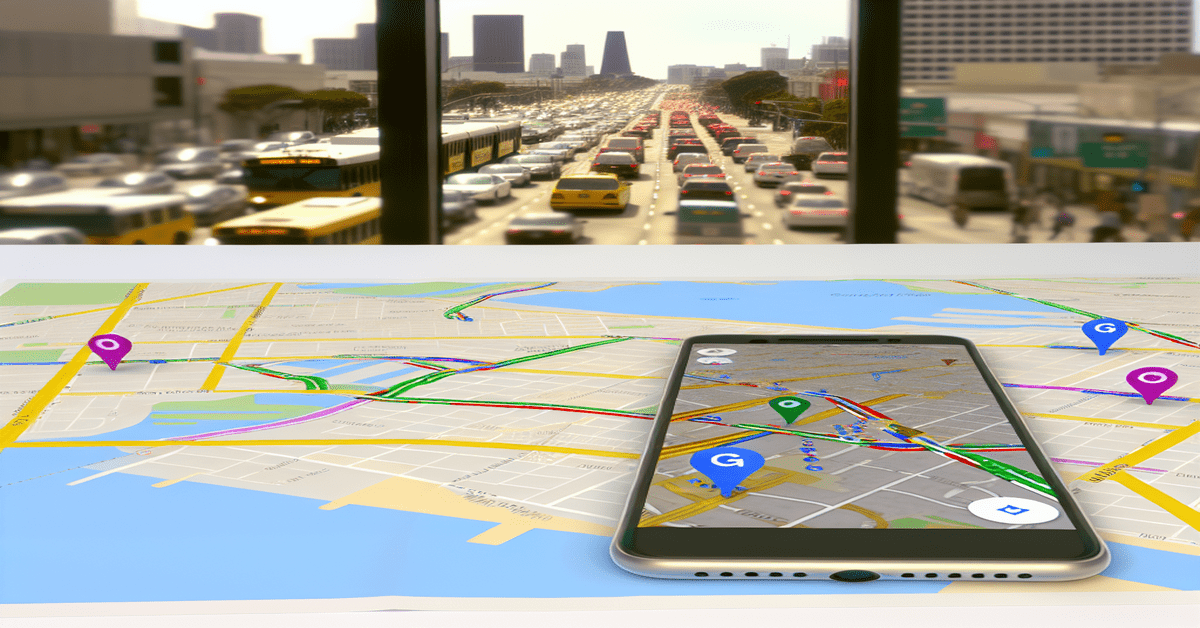
Another notable addition to Google Maps was the integration of **real-time traffic updates**. By leveraging data from millions of smartphones and other sources, Google Maps can provide users with up-to-the-minute information about traffic conditions, congestion, and road closures. This feature has become invaluable for commuters and travelers, helping them make informed decisions about their routes and avoid delays.
Current Favorite Features of Google Maps
Today, Google Maps offers a wide range of features that enhance the user experience and make navigation more efficient and informative. Here are some of the current favorite features of Google Maps:
1. **Live View**: Introduced in 2019, Live View uses augmented reality to provide users with real-time directions and information about nearby places. By holding up their smartphone camera, users can see arrows and other visual cues overlaid on the real world, guiding them to their destination.
2. **Indoor Maps**: Google Maps now provides detailed maps of indoor spaces such as malls, airports, and public buildings. This feature is particularly useful for navigating large, complex structures and finding specific stores or amenities within them.
3. **Public Transit Information**: Google Maps includes comprehensive information about public transportation systems, including schedules, routes, and real-time updates. This feature makes it easy for users to plan their trips using buses, trains, and other forms of public transit.
4. **Reviews and Ratings**: Google Maps allows users to leave reviews and ratings for businesses, providing valuable insights and helping others make informed decisions. This user-generated content has become a crucial component of the Google Maps ecosystem, fostering a sense of community and trust among users.
5. **Integration with Other Google Services**: Google Maps seamlessly integrates with other Google services, such as Google Calendar and Google Photos. For example, users can easily add events to their calendar directly from Google Maps, or view their photos on a map based on the location where they were taken.
The Future of Google Maps
As Google Maps enters its third decade, the company continues to innovate and expand its offerings. With the rise of **smart cities** and the **Internet of Things (IoT)**, Google Maps is well-positioned to play a central role in the future of urban navigation and transportation.
One area where Google is focusing its efforts is the integration of **machine learning** and **artificial intelligence** into Google Maps. By leveraging these technologies, Google aims to make navigation even more personalized and predictive, anticipating users’ needs and preferences based on their past behavior and current context.
Another exciting development is the potential for Google Maps to become a platform for **augmented reality (AR) experiences**. As AR technology continues to advance, Google Maps could serve as a gateway for users to discover and interact with digital content overlaid on the physical world, such as virtual art installations, historical reenactments, and interactive advertisements.
Conclusion
As Google Maps celebrates its 20th anniversary, it’s clear that the platform has had a profound impact on the way we navigate and explore the world around us. From its early days as a simple mapping service to its current state as a feature-rich, all-in-one navigation tool, Google Maps has consistently pushed the boundaries of what’s possible in the realm of digital mapping and navigation.
As we look to the future, it’s exciting to imagine how Google Maps will continue to evolve and shape our experience of the world. Whether it’s through the integration of new technologies like machine learning and augmented reality, or the expansion of its features and capabilities, one thing is certain: Google Maps will remain an indispensable tool for navigating the complexities of the modern world.
So, the next time you open up Google Maps to find your way, take a moment to appreciate the incredible journey this platform has been on over the past 20 years. And as always, don’t forget to leave a review and rating for your favorite places along the way!
#GoogleMaps #20thAnniversary #NavigationInnovation
-> Original article and inspiration provided by ReviewAgent.ai
-> Connect with one of our AI Strategists today at ReviewAgent.ai
