Elon Musk’s xAI Sues Apple and OpenAI, Alleging AI Market Collusion
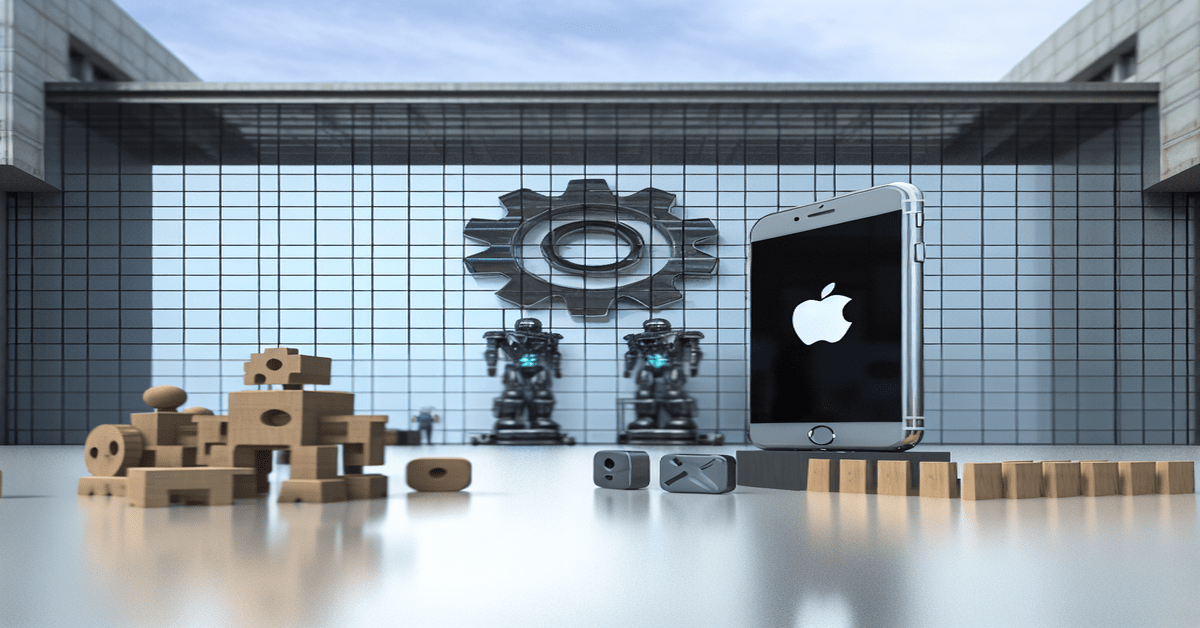
In a stunning legal move that’s sent shockwaves through the tech world, Elon Musk’s AI company xAI has filed an antitrust lawsuit against tech giants Apple and OpenAI, accusing them of colluding to dominate the rapidly evolving artificial intelligence market. The complaint, filed in Texas federal court, alleges that Apple’s partnership with OpenAI has effectively shut out other AI firms by embedding OpenAI’s technology into iPhone operating systems and skewing App Store algorithms, harming competition and innovation while limiting consumer choice.
The Battle for AI Dominance
The lawsuit portrays Apple and OpenAI as “two monopolists joining forces” to maintain their grip on the AI sector, with Apple allegedly viewing AI as an existential threat to its business and collaborating with OpenAI to protect its franchise. Musk had publicly accused Apple two weeks earlier of favoring OpenAI’s ChatGPT over competitors such as xAI’s Grok chatbot in App Store rankings, which is detailed further in the 61-page legal complaint.
According to the complaint, Apple’s exclusive integration of OpenAI’s technology into the iPhone ecosystem has effectively blocked competitors like xAI from reaching consumers and achieving top App Store rankings. This alleged favoritism, xAI argues, harms competition and innovation in the AI market while limiting consumer choice and access to alternative AI applications.
The Stakes for AI Innovation
The implications of this lawsuit are far-reaching, as it highlights the growing tensions and competition within the AI industry. As artificial intelligence continues to advance at a breakneck pace, the battle for market dominance has intensified, with major players like Apple, OpenAI, and xAI vying for control over the future of AI technology.
At stake is not only the billions of dollars in potential profits but also the direction and pace of AI innovation itself. If the allegations in xAI’s lawsuit are proven true, it could suggest that the current AI market is being stifled by anti-competitive practices, potentially slowing down the development and deployment of groundbreaking AI technologies.
The Future of AI Regulation
This high-profile lawsuit also underscores the need for clearer regulations and oversight in the AI industry. As AI becomes increasingly integrated into our daily lives, from smartphones to smart homes, it’s crucial that there are fair and transparent rules in place to ensure a level playing field for all companies involved.
Governments and regulatory bodies around the world are grappling with how to effectively regulate AI without hindering innovation. The outcome of this lawsuit could set a precedent for future cases and shape the regulatory landscape for AI in the years to come.
The Road Ahead
As the legal battle between xAI, Apple, and OpenAI unfolds, the tech world will be watching closely. The stakes are high, not just for the companies involved but for the future of AI as a whole.
Will this lawsuit lead to a more open and competitive AI market, or will it further entrench the dominance of a few key players? Only time will tell, but one thing is certain: the battle for AI supremacy is far from over, and the implications will be felt far beyond the courtroom.
xAI and its affiliate X Corp. are seeking billions in damages and a court order to end the alleged anti-competitive behavior. OpenAI has dismissed the lawsuit as part of a pattern of harassment from Musk, setting the stage for a contentious legal battle ahead.
As this groundbreaking lawsuit progresses, it’s clear that the future of AI hangs in the balance. Will Musk’s legal action succeed in restoring a more open market for AI applications, or will Apple and OpenAI’s alleged alliance continue to shape the trajectory of AI innovation? Share your thoughts in the comments below and stay tuned for updates on this developing story.
#AntitrusLawsuit #ArtificialIntelligence #TechGiants
-> Original article and inspiration provided by CNN
-> Connect with one of our AI Strategists today at Opahl Technologies