
The Future of Conversation: AI Voice Agent Takes Center Stage at Milan Design Week 2025
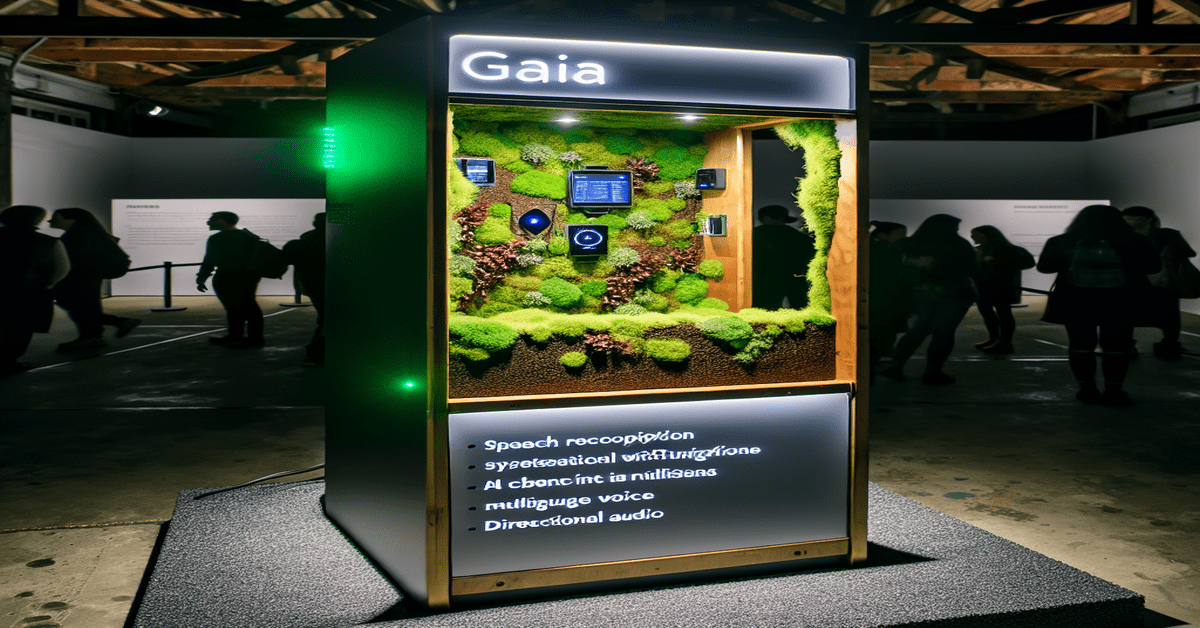
In a world where technology is rapidly evolving, it’s no surprise that AI is taking center stage in the design world. At this year’s Milan Design Week 2025, QS Ventures presented a groundbreaking interactive installation titled “2147,” featuring Gaia, a **multilingual AI voice agent** embedded inside a repurposed 1990s phone booth covered in moss. This unique installation, located at BASE Milano as part of the Fuorisalone circuit’s ‘We Will Design’ program, emphasized **voice as the sole medium for interaction**, with no screens or visual interfaces.
Gaia: More Than Just an AI Assistant
Over the course of five days, Gaia engaged in over **1,200 minutes of unscripted, real-time conversations** with more than 600 participants in various languages, including English and Japanese. What sets Gaia apart from typical AI assistants is that she was designed as a **conversational agent with nuanced tone, rhythm, and emotional pacing**, aiming to blur the boundary between machine and storyteller.
The phone booth’s mossy exterior symbolized the **obsolescence of old technology** while providing a unique, reflective space that merged natural elements with futuristic AI interaction. The technological setup incorporated speech recognition, directional audio, and speech-to-speech response systems inside the booth, preserving its original exterior aesthetic.
Voice as a Design Material
The “2147” project highlighted voice as a design material and explored conversational interaction as a spatial and emotional experience. QS Ventures, based in Barcelona and founded by designer and engineer Cris Olmedo, collaborated with Vidiv’s Victoria AI voice platform to create Gaia.
This installation raises important questions about the future of **human-AI interaction** and the potential for voice-based interfaces to become more prevalent in our daily lives. As we move towards a future where screens may become less dominant, installations like “2147” offer a glimpse into the possibilities of **voice-driven experiences**.
Implications for the Design Industry
The success of Gaia at Milan Design Week 2025 has significant implications for the design industry. It demonstrates the potential for AI voice agents to engage with users on a deeper level, creating more meaningful and emotionally resonant interactions. As designers and engineers continue to push the boundaries of what’s possible with AI, we can expect to see more installations and products that blur the lines between technology and art.
Moreover, the use of repurposed materials in the installation, such as the moss-covered phone booth, highlights the importance of **sustainability** in design. By giving new life to old technology and incorporating natural elements, QS Ventures has shown that it’s possible to create cutting-edge experiences while being mindful of the environment.
The Future of AI in Design
As we look towards the future, it’s clear that AI will continue to play an increasingly important role in the design industry. Installations like “2147” are just the beginning of what’s possible when we combine advanced technology with creative vision. As designers and engineers continue to collaborate and push the boundaries of what’s possible, we can expect to see more groundbreaking projects that challenge our perceptions of what technology can do.
However, it’s important to approach the integration of AI in design with a critical eye. While AI can certainly enhance and augment human creativity, it’s crucial that we maintain a human-centered approach to design. By keeping the needs and desires of users at the forefront of our minds, we can ensure that the technology we create serves to **enhance rather than replace human experiences**.
Conclusion
The “2147” installation at Milan Design Week 2025 has shown us the incredible potential of AI voice agents to create engaging, emotionally resonant experiences. By pushing the boundaries of what’s possible with voice-driven interfaces and sustainable design, QS Ventures has given us a glimpse into the future of human-AI interaction.
As the design industry continues to evolve, it’s up to us as designers, engineers, and creatives to embrace the possibilities of AI while remaining grounded in human-centered principles. By doing so, we can create a future where technology and humanity coexist in harmony, enhancing our lives and experiences in meaningful ways.
What do you think about the potential of AI voice agents in design? Have you experienced any installations or products that have successfully integrated AI and voice interaction? Share your thoughts and experiences in the comments below!
#MilanDesignWeek2025 #AIVoiceAgent #ConversationalAI
-> Original article and inspiration provided by ReviewAgent.ai
-> Connect with one of our AI Strategists today at ReviewAgent.ai