Google Faces Legal Challenge Over Controversial Gulf Renaming on Maps
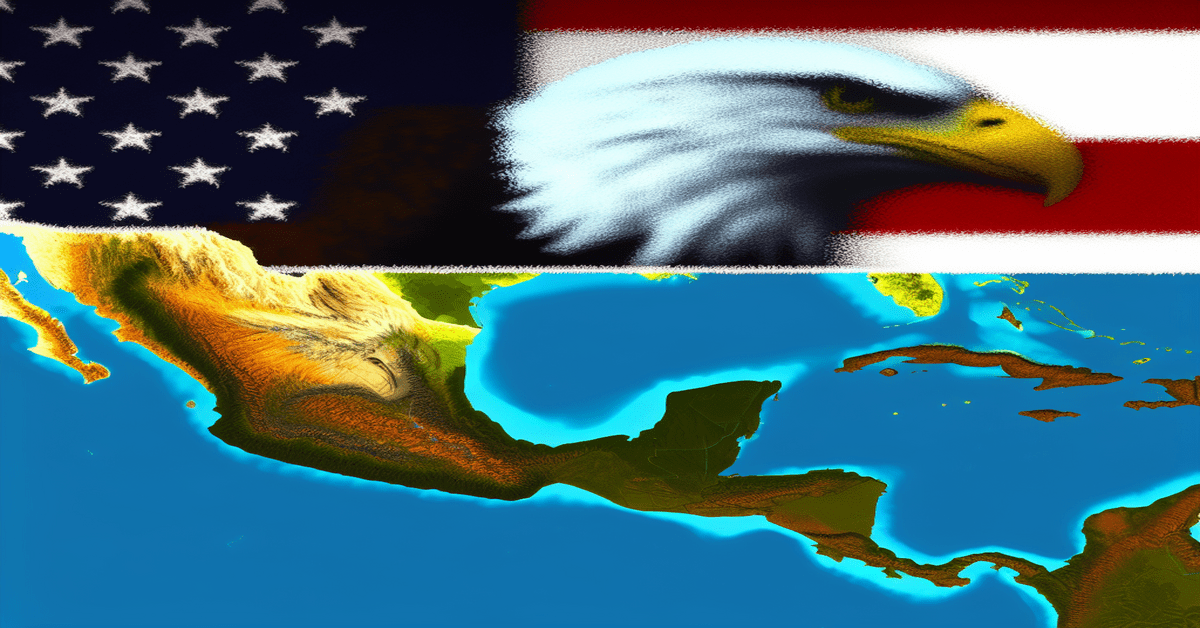
In a bold move that has sent shockwaves through the tech industry, Mexico has filed a lawsuit against Google for its decision to rename the Gulf of Mexico as the “Gulf of America” on Google Maps for users in the United States. This change, which has been met with fierce opposition from Mexican authorities, has sparked a heated debate about the role of tech giants in shaping global perceptions and the potential for political bias in mapping services.
Mexico’s Stance: Misleading and Politically Motivated
Mexican President Claudia Sheinbaum has been vocal in her criticism of Google’s actions, describing the renaming as both misleading and politically motivated. She argues that the United States only has jurisdiction over its portion of the continental shelf, not the entire Gulf, and that Google’s decision to use the name “Gulf of America” on a global platform like Google Maps is an overreach of U.S. influence.
Sheinbaum’s concerns are echoed by many in Mexico, who see the renaming as an attempt to assert U.S. dominance over a shared body of water. The Gulf of Mexico has long been recognized by the international community, and Mexico argues that unilaterally changing its name on a platform used by millions of people worldwide is a violation of international norms.
The U.S. Perspective: Formalizing the “Gulf of America”
The renaming of the Gulf on Google Maps is not an isolated incident, but rather part of a larger legislative effort in the United States. Inspired by former President Donald Trump’s executive order, U.S. lawmakers have been pushing to formalize the name “Gulf of America” across all federal agencies.
Proponents of this change argue that it better reflects the U.S. presence and influence in the region. They point to the fact that a significant portion of the Gulf’s coastline belongs to the United States, and that the country has a long history of economic and strategic interests in the area.
Google’s Response: Balancing Local and Global Interests
Caught in the middle of this international dispute, Google has defended its decision to use different labels for the Gulf depending on the user’s location. In response to Mexico’s lawsuit, Google has maintained that it follows a consistent policy of using localized names for bodies of water and other geographical features.
For users in the United States, Google Maps displays the name “Gulf of America,” while users in Mexico see “Gulf of Mexico.” Elsewhere in the world, a combined label is used to reflect the competing claims over the Gulf’s name.
Google argues that this approach allows it to respect the preferences and sensitivities of different regions while still providing accurate and relevant information to users. However, critics argue that by giving the U.S. perspective prominence on a global platform, Google is effectively taking sides in a political dispute.
The Implications for the Tech Industry
The lawsuit against Google has far-reaching implications for the tech industry as a whole. As digital platforms become increasingly influential in shaping public opinion and understanding of the world, the responsibility of these companies to maintain neutrality and accuracy is coming under intense scrutiny.
The case of the Gulf renaming highlights the challenges that tech companies face in navigating complex geopolitical issues. While it may be impossible to please all parties involved, there is a growing consensus that these companies have a duty to consider the broader impact of their decisions and to be transparent about their policies and practices.
Looking Ahead: The Need for Dialogue and Cooperation
As the legal battle between Mexico and Google unfolds, it is clear that there are no easy answers to the questions raised by this case. However, what is certain is that the outcome will have significant implications for the future of digital mapping and the role of tech giants in shaping our understanding of the world.
Moving forward, it is essential that all parties involved engage in constructive dialogue and seek to find common ground. While the United States and Mexico may have differing perspectives on the Gulf’s name, both countries have a shared interest in promoting accuracy, transparency, and respect for international norms in the digital sphere.
Ultimately, the goal should be to create a digital environment that reflects the diversity and complexity of the world we live in, while also promoting understanding and cooperation across borders. As the tech industry continues to evolve at a rapid pace, it is up to all of us – governments, companies, and individuals alike – to work together to ensure that the benefits of these technologies are shared by all.
#GoogleMaps #GulfOfAmerica #InternationalDispute
-> Original article and inspiration provided by TOI Tech Desk
-> Connect with one of our AI Strategists today at ReviewAgent.ai