
Mexico’s Legal Battle Against Google: The Controversy Over Renaming the Gulf of Mexico
In a surprising turn of events, Mexico has taken legal action against tech giant Google for its decision to relabel the Gulf of Mexico as the “Gulf of America” on its mapping platform. This move comes in response to an executive order issued by former U.S. President Donald Trump, which sought to rename the northern portion of the gulf. However, it is crucial to note that this directive holds authority only within the United States and does not have international recognition.
Mexican President Claudia Sheinbaum has confirmed the lawsuit but has not provided further details regarding the specifics of the legal action. The crux of Mexico’s argument lies in the fact that Google’s renaming inappropriately alters the name of the gulf’s area that falls under Mexican jurisdiction. Mexico contends that the term “Gulf of America” should only refer to the part of the gulf that lies over the U.S. continental shelf.
The Shared Waters of the Gulf of Mexico
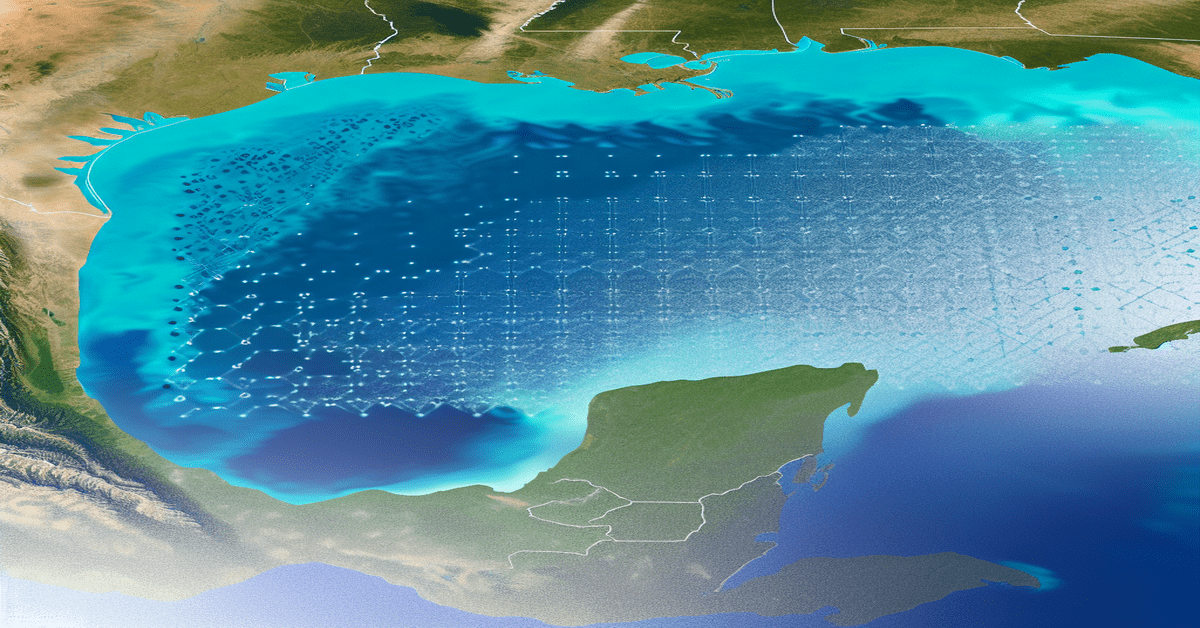
The Gulf of Mexico is a shared body of water, with approximately 49% under Mexican jurisdiction, 46% under U.S. control, and the remaining 5% under Cuban control. This highlights the international nature of the gulf and the importance of maintaining its established name.
Prior to the lawsuit, Mexico’s Foreign Relations Ministry had sent warnings to Google, urging the company not to change the name of the ocean basin. However, Google proceeded with the relabeling, prompting Mexico to take legal action to protect its territorial interests.
Google’s Stance on the Renaming
Google has defended its decision to rename the gulf, stating that it is consistent with the company’s longstanding map policies, which are applied impartially across all regions. In a letter shared by President Sheinbaum in February, Google’s vice president of government affairs and public policy justified the naming change.
Currently, Google Maps displays the gulf as the “Gulf of America” within the U.S., the “Gulf of Mexico” within Mexico, and “Gulf of Mexico (Gulf of America)” elsewhere. This inconsistency in labeling further underscores the controversy surrounding the renaming.
The Implications of the Lawsuit
Mexico’s legal action against Google represents a significant step in opposing what it perceives as an inappropriate renaming of a shared international body of water. By filing the lawsuit, Mexico aims to assert its territorial rights and challenge the notion that a U.S. political decision should have the power to alter internationally recognized names.
This case also highlights the growing influence of tech giants like Google in shaping our understanding of geography and international boundaries. As digital platforms become increasingly relied upon for information, the decisions made by these companies can have far-reaching consequences.
The Need for International Consensus
The controversy surrounding the renaming of the Gulf of Mexico underscores the importance of international consensus when it comes to naming shared bodies of water. Unilateral decisions by individual countries, even if they are as influential as the United States, should not have the power to override established international norms.
It is crucial for the international community to come together and establish clear guidelines and protocols for naming and labeling shared geographic features. This will help prevent future disputes and ensure that the sovereignty and territorial integrity of all nations are respected.
The Role of Tech Companies in Geopolitical Matters
The lawsuit against Google also raises important questions about the role of tech companies in geopolitical matters. As these companies increasingly shape our understanding of the world through their digital platforms, they must be mindful of the impact their decisions can have on international relations.
It is essential for tech giants like Google to engage in dialogue with governments and international organizations to ensure that their policies and actions align with established international norms and respect the sovereignty of all nations.
Looking Ahead
As the legal battle between Mexico and Google unfolds, it will be interesting to see how the courts navigate this complex issue. The outcome of this case could set a precedent for future disputes involving the naming and labeling of shared geographic features.
Regardless of the outcome, this controversy serves as a reminder of the need for open communication, collaboration, and respect among nations when it comes to matters of international significance. Only by working together can we ensure that our shared resources and spaces are managed in a fair and equitable manner.
#GulfOfMexico #GoogleMaps #InternationalLaw #Geopolitics
-> Original article and inspiration provided by BBC News
-> Connect with one of our AI Strategists today at ReviewAgent.ai
