
U.S. Education Secretary’s AI Gaffe Sparks Discussion on Technology in Education
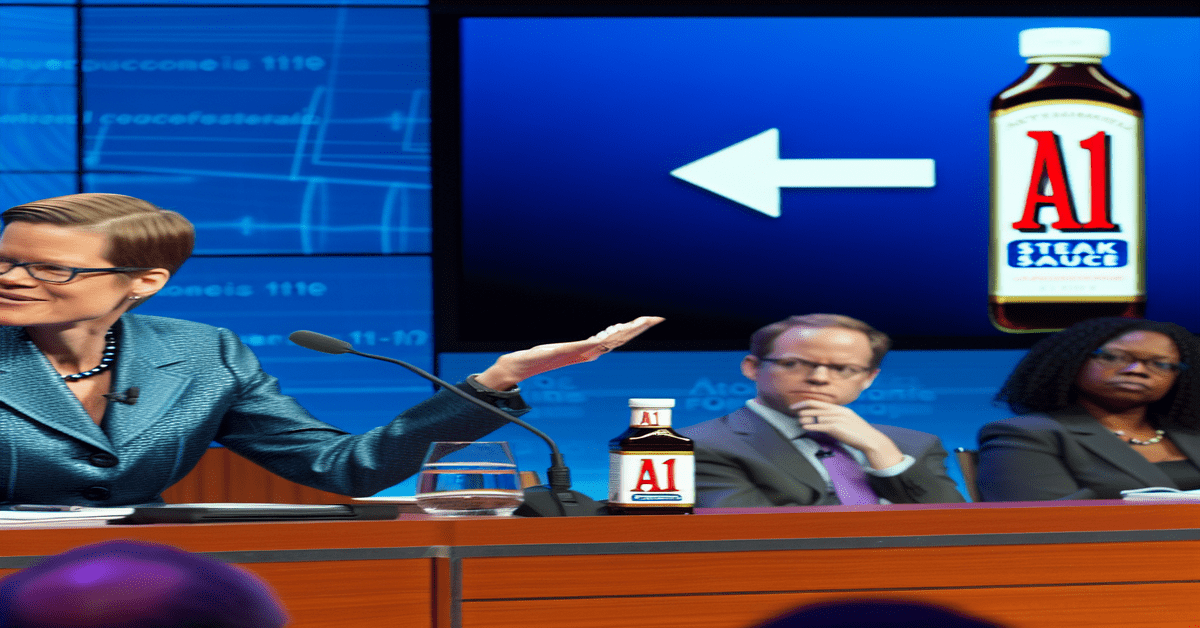
The recent slip-up by U.S. Secretary of Education, Linda McMahon, at the ASU+GSV Summit has raised eyebrows and sparked discussions about the role of technology in education. During a panel discussion, McMahon mistakenly referred to **Artificial Intelligence (AI)** as **”A1,”** drawing comparisons to the popular steak sauce brand. This gaffe has brought attention to the challenges of integrating cutting-edge technologies like AI into educational policy and discussions.
The Incident and Its Context
The slip-up occurred while McMahon was discussing the potential benefits of AI in education, particularly for early learners. She suggested that some schools might provide “A1” instruction starting from pre-K or first grade. Although she initially used the correct term “AI,” she later began referring to it as “A1” throughout the discussion.
Interestingly, McMahon’s fellow panelists, whose companies utilize AI technologies, did not correct her during the discussion. This raises questions about the level of understanding and familiarity with AI among education leaders and policymakers.
Implications for Technology in Education
McMahon’s gaffe has drawn attention due to her prominent role in education and her lack of prior experience in the field. As the U.S. Secretary of Education, her words carry weight and influence educational policies and initiatives. This incident may reflect broader challenges in integrating technology into educational policy and discussions.
**AI has the potential to revolutionize education**, offering personalized learning experiences, adaptive assessments, and intelligent tutoring systems. However, the effective implementation of AI in education requires a deep understanding of the technology, its capabilities, and its limitations. Policymakers and education leaders must be well-informed about AI to make sound decisions and guide its integration into educational practices.
The Need for Informed Decision-Making
The incident highlights the importance of informed decision-making when it comes to technology in education. Policymakers and education leaders must actively engage with experts in the field, seek out accurate information, and stay updated on the latest developments in AI and other emerging technologies.
Collaboration between educators, researchers, and technology experts is crucial to bridge the gap between policy and practice. By fostering open dialogue and knowledge sharing, we can ensure that educational policies and initiatives are grounded in a solid understanding of the technologies at hand.
Addressing the Skills Gap
McMahon’s slip-up also underscores the need to address the skills gap in the education sector when it comes to technology. Educators and administrators must be equipped with the necessary knowledge and skills to effectively leverage AI and other technologies in the classroom.
Professional development programs, workshops, and training sessions can help educators stay up-to-date with the latest advancements in educational technology. By investing in the **continuous learning and upskilling of educators**, we can create a workforce that is well-prepared to integrate AI and other technologies into their teaching practices.
Moving Forward
As we navigate the rapidly evolving landscape of technology in education, it is crucial to learn from incidents like McMahon’s gaffe. We must prioritize informed decision-making, collaboration between stakeholders, and the development of a technologically literate education workforce.
By addressing these challenges head-on, we can harness the potential of AI and other technologies to enhance educational outcomes and prepare students for the demands of the 21st century. It is time for education leaders and policymakers to engage in meaningful discussions, seek out expert insights, and take proactive steps to ensure the successful integration of technology in education.
Let’s use this incident as a catalyst for change and work towards a future where technology and education seamlessly converge to create transformative learning experiences for all students.
#ArtificialIntelligence #EducationPolicy #TechnologyInEducation
-> Original article and inspiration provided by Opahl Technologies@Telegrafisti
-> Connect with one of our AI Strategists today at Opahl Technologies
