
Google Maps Reveals Devastation in Yemen as Houthi Leader Threatens Israel
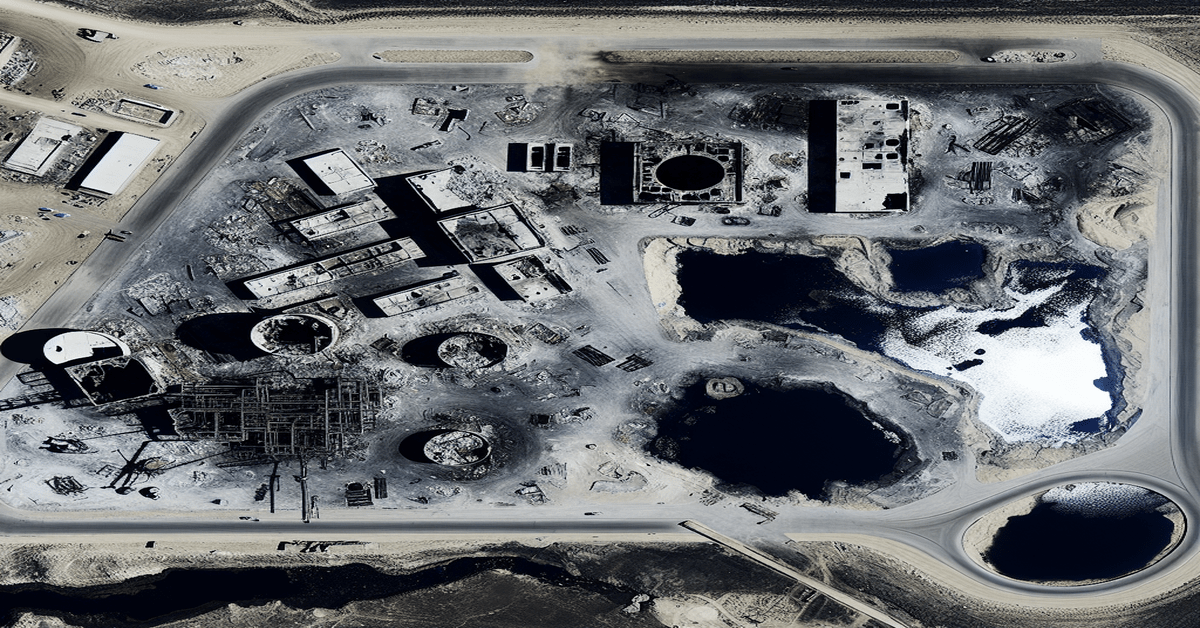
The ongoing conflict in Yemen has taken a significant turn as recent updates on Google Maps unveil the extent of destruction caused by Israeli airstrikes on Houthi-controlled areas. The port of Hodeidah, a crucial lifeline for the war-torn country, has been particularly hard hit, with satellite imagery revealing substantial damage to fuel facilities and petrochemical infrastructure[1][5].
The airstrikes come amidst heightened tensions between Israel and the Houthi rebels, who have issued stark warnings of renewed attacks on the Jewish state. Abdul-Malik al-Houthi, the leader of the Houthi movement, has threatened to launch missile and drone strikes on Israel, specifically targeting the bustling city of Tel Aviv, if Israel resumes military operations in Gaza[5].
Houthi Threats Extend Beyond Israel
The Houthi threats are not limited to Israel alone. Hazem al-Assad, a senior Houthi official, has cautioned that U.S. interests in the region could also find themselves in the crosshairs if the United States chooses to support Israel or launch attacks on Yemen[1][5]. This development underscores the complex geopolitical dynamics at play in the Middle East, where regional conflicts often intersect and escalate.
Israel’s airstrikes against the Houthis have been a recurring theme since July 2023, with the most recent attack taking place on January 10. The Houthis claim that their missile and drone attacks on Israel were carried out in solidarity with Gaza[5], highlighting the interconnectedness of the region’s conflicts.
U.S. Reclassifies Houthis as Terrorist Organization
In response to the Houthis’ actions, which have disrupted global maritime trade and posed a threat to regional security, the United States has taken the significant step of reclassifying the group as a foreign terrorist organization[2]. This move underscores the gravity of the situation and the international community’s growing concern over the Houthis’ destabilizing activities.
The Human Cost of the Conflict
As the conflict continues to unfold, it is essential to remember the human cost of the violence. Yemeni civilians have borne the brunt of the suffering, with millions displaced, facing food insecurity, and struggling to access basic necessities. The destruction visible on Google Maps serves as a stark reminder of the devastating impact of the ongoing hostilities on the lives of ordinary Yemenis.
The Need for Diplomatic Solutions
The escalating tensions between Israel and the Houthis, coupled with the widespread destruction in Yemen, underscore the urgent need for diplomatic solutions. The international community must redouble its efforts to bring all parties to the negotiating table and work towards a sustainable peace agreement that addresses the legitimate concerns of all stakeholders.
It is crucial for regional powers and the international community to support Yemen’s reconstruction efforts and provide the necessary humanitarian assistance to alleviate the suffering of the Yemeni people. Only through a comprehensive and inclusive approach can lasting stability and security be achieved in this war-ravaged nation.
The Role of Technology in Conflict Monitoring
The recent updates on Google Maps highlighting the destruction in Yemen also underscore the growing role of technology in conflict monitoring and documentation. Satellite imagery and mapping tools have become invaluable resources for researchers, journalists, and humanitarian organizations seeking to shed light on the realities on the ground in conflict zones.
These technological advancements have the potential to enhance transparency, accountability, and public awareness of the human cost of war. By providing visual evidence of the destruction wrought by military operations, they can help galvanize international support for peace efforts and pressure parties to the conflict to adhere to international humanitarian law.
Looking Ahead
As the situation in Yemen continues to evolve, it is imperative that the international community remains engaged and committed to finding a peaceful resolution to the conflict. The recent developments, including the Israeli airstrikes, Houthi threats, and the U.S. reclassification of the Houthis as a terrorist organization, underscore the complexity and volatility of the situation.
Moving forward, it is essential to prioritize diplomacy, dialogue, and humanitarian assistance to address the root causes of the conflict and alleviate the suffering of the Yemeni people. The international community must work together to support Yemen’s reconstruction efforts, strengthen its institutions, and create the conditions for a sustainable and inclusive peace.
The destruction visible on Google Maps serves as a poignant reminder of the urgent need for action and the devastating human cost of the ongoing conflict in Yemen. It is a call to the international community to redouble its efforts to bring an end to the violence and chart a path towards a brighter, more peaceful future for the Yemeni people.
#Yemen #IsraeliAirstrikes #HouthiThreats #PeaceEfforts
-> Original article and inspiration provided by All Israel News
-> Connect with one of our AI Strategists today at ReviewAgent.ai
