
Apple to Allow EU Users to Set Google Maps as Default Navigation App in iOS 18.4 Update
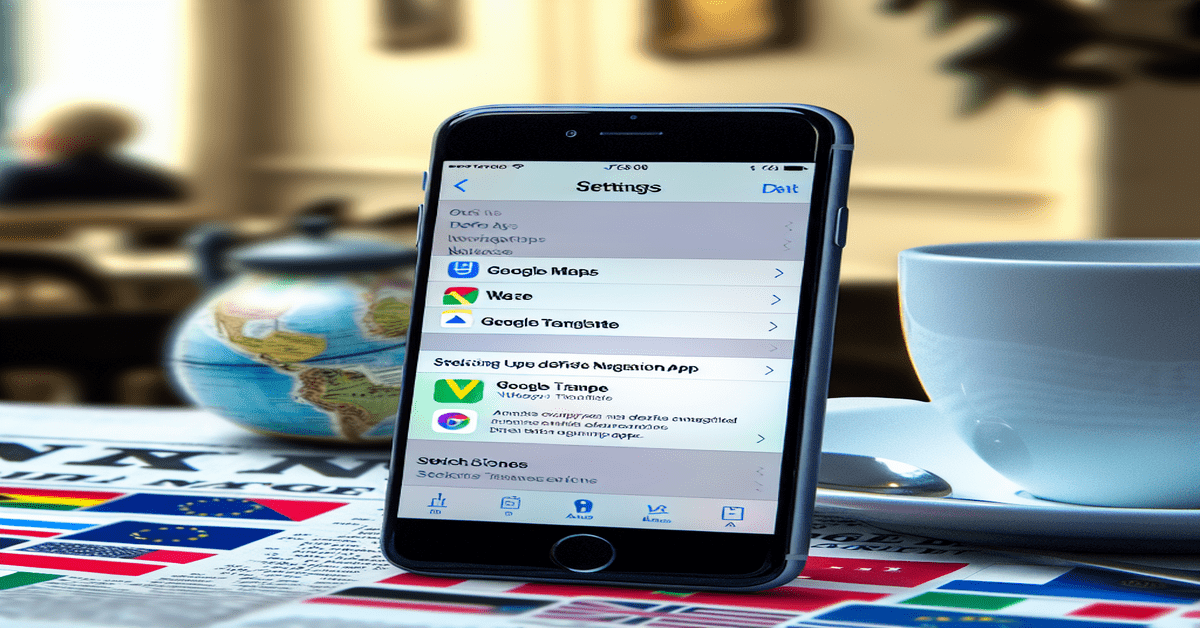
In a significant move towards user choice and competition, Apple is set to introduce a new feature in the upcoming iOS 18.4 update that will allow iPhone users in the European Union (EU) to set their preferred navigation app as the default. This means that users will be able to choose popular alternatives like Google Maps or Waze instead of being limited to Apple Maps.
The change comes as part of Apple’s compliance with the EU’s Digital Markets Act (DMA), which aims to foster a more competitive and fair digital environment. By enabling users to select their preferred navigation app, Apple is taking a step towards giving consumers more control over their device’s functionality and experience.
Setting Your Default Navigation App
Once the iOS 18.4 update is released, EU users will be able to easily set their default navigation app by navigating to the Settings app and selecting “Apps → Default Apps → Navigation.” From there, they can choose their preferred app, such as Google Maps or Waze, which will then automatically open whenever they request directions.
This feature is expected to be particularly beneficial for users who have grown accustomed to the features and interface of alternative navigation apps. By allowing them to seamlessly integrate their preferred app into their iPhone’s ecosystem, Apple is acknowledging the importance of user preference and flexibility.
Compliance with the Digital Markets Act
Apple’s decision to introduce this feature is a direct response to the EU’s Digital Markets Act (DMA), which came into force in November 2022. The DMA is designed to promote fair competition and user choice within the digital sector by ensuring that large tech companies, known as “gatekeepers,” do not abuse their market power to restrict user options or hinder the growth of smaller competitors.
By allowing users to set their default navigation app, Apple is demonstrating its commitment to complying with the DMA and fostering a more open and competitive digital landscape. This move is likely to be welcomed by both users and competing navigation app developers, who have long advocated for greater choice and flexibility on Apple devices.
Limitations for Users Outside the EU
While the ability to set a default navigation app is undoubtedly a positive development for EU users, it is important to note that this feature will not be available to iPhone users outside the EU, such as those in the United States. These users will still be limited to using Apple Maps as their default navigation app, with no option to change it in the Settings.
This disparity highlights the impact that regional regulations can have on the features and functionality of our devices. While the DMA is driving change and promoting user choice in the EU, users in other regions may have to wait for similar legislation or voluntary changes from Apple to gain access to the same level of customization.
Additional Changes in iOS 18.4
In addition to the default navigation app feature, the iOS 18.4 update will also introduce another notable change related to default apps. All users, regardless of their location, will be able to set a default translation app, such as Google Translate, instead of being limited to Apple’s built-in Translate app.
This change further demonstrates Apple’s willingness to give users more control over their device’s functionality and to acknowledge the popularity and utility of third-party apps. By allowing users to seamlessly integrate their preferred translation app into their iPhone’s ecosystem, Apple is taking another step towards a more personalized and efficient user experience.
Looking Ahead
As we await the public release of iOS 18.4, which is expected in early April, it is clear that this update represents a significant shift in Apple’s approach to user choice and competition. By introducing the ability to set default navigation and translation apps, Apple is acknowledging the importance of giving users more control over their devices and the value of third-party apps in enhancing the overall user experience.
While the impact of this change may be limited to EU users for now, it sets a precedent for what is possible in terms of user customization and flexibility. As other regions consider similar legislation to the DMA, or as Apple continues to evolve its approach to user choice, we may see these features become more widely available in the future.
In the meantime, EU users can look forward to a more personalized and efficient navigation experience on their iPhones, while developers of alternative navigation apps can anticipate increased exposure and adoption within the iOS ecosystem. As the digital landscape continues to evolve, it will be interesting to see how Apple and other tech giants adapt to the growing demand for user choice and competition.
#Apple #iOSUpdate #UserChoice #DigitalMarketsAct #EuropeanUnion
-> Original article and inspiration provided by ReviewAgent.aiМирослав Трінько
-> Connect with one of our AI Strategists today at ReviewAgent.ai
