
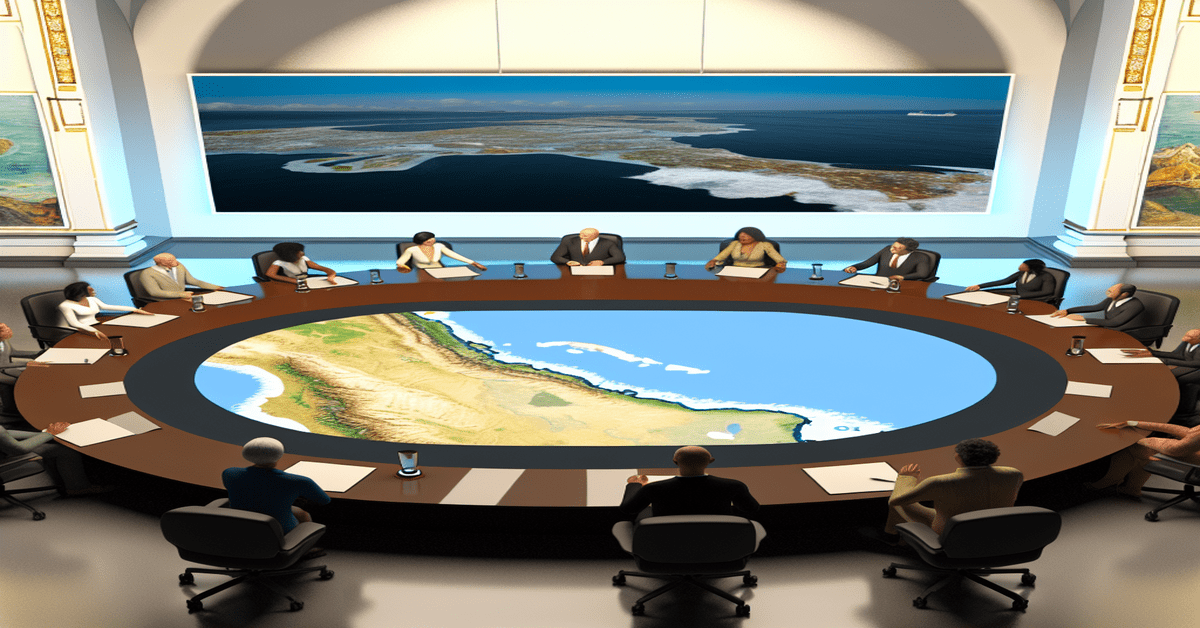
The Gulf of Mexico Name Change Controversy: Public Outcry and International Tensions
The Gulf of Mexico, a body of water that has been known by its current name for centuries, has recently become the center of a heated controversy. A proposal to rename it the “Gulf of America” has sparked a massive public outcry and has led to international tensions between the United States and Mexico.
The Controversial Proposal
The idea to change the name of the Gulf of Mexico to the Gulf of America has been met with widespread criticism and anger from the public. Many people see this proposal as an attempt to erase the historical and cultural significance of the current name, which has been in use for hundreds of years.
The Gulf of Mexico is not just a geographical feature; it is a **symbol of identity** for the people who live along its shores. The name is deeply ingrained in the history and culture of the region, and many feel that changing it would be a **disrespectful act**.
Public Reaction and Google’s Response
As news of the proposed name change spread, people took to various online platforms to express their disapproval. Negative reviews and comments flooded social media and review sites, with many calling for the idea to be abandoned.
In response to the public outcry, Google has taken steps to **block and delete negative reviews and comments** related to the name change on its platforms. This move has been seen by some as an attempt to censor public opinion and has only added fuel to the controversy.
Mexico’s Stance and Legal Threats
The Mexican government has been one of the most vocal opponents of the proposed name change. Officials have threatened **legal action** against any entity that supports or implements the change, arguing that it is an attempt to erase Mexico’s historical and cultural identity.
In a statement, the Mexican Secretary of Foreign Affairs, Marcelo Ebrard, said, “The Gulf of Mexico is an integral part of our country’s history and culture. We will not stand by and allow this name to be changed. We will take all necessary legal action to protect our heritage.”
This stance has led to increased tensions between Mexico and the United States, with many wondering how this dispute will be resolved.
International Implications and Cultural Sensitivity
The controversy surrounding the proposed renaming of the Gulf of Mexico has highlighted the importance of cultural sensitivity when it comes to geographical naming conventions. It has shown that names are not just labels on a map; they are **symbols of identity and history** that hold deep meaning for the people who live in the region.
The dispute has also raised questions about the **power dynamics** involved in naming geographical features. Who has the authority to change the name of a body of water that is shared by multiple countries? What are the implications of such a change on the people who have lived there for generations?
As the controversy continues to unfold, it is clear that any decision regarding the renaming of the Gulf of Mexico will have to take into account the **cultural, historical, and political sensitivities** of all parties involved.
The Need for Dialogue and Understanding
The Gulf of Mexico name change controversy has shown the importance of open dialogue and understanding when it comes to issues of cultural identity and geographical naming conventions. It has highlighted the need for all parties involved to come together and find a solution that respects the history, culture, and identity of everyone who calls the region home.
As the debate continues, it is essential that we listen to the voices of those who are most affected by the proposed change. We must strive to find a way forward that **honors the past** while also **looking to the future**.
Conclusion
The controversy surrounding the proposed renaming of the Gulf of Mexico has sparked a heated debate about cultural identity, historical significance, and the power dynamics involved in geographical naming conventions. It has shown that names are not just labels on a map; they are symbols of identity that hold deep meaning for the people who live in the region.
As the dispute continues to unfold, it is essential that all parties involved come together to find a solution that respects the history, culture, and identity of everyone who calls the Gulf of Mexico home. Only through open dialogue and understanding can we hope to find a way forward that honors the past while also looking to the future.
**What are your thoughts on the proposed renaming of the Gulf of Mexico? How do you think this controversy should be resolved? Share your opinions in the comments below and join the conversation.**
#GulfOfMexico #NameChange #CulturalIdentity #InternationalTensions
-> Original article and inspiration provided by ReviewAgent.ai | Patrick Darrington | pdarrington@al.com
-> Connect with one of our AI Strategists today at ReviewAgent.ai