
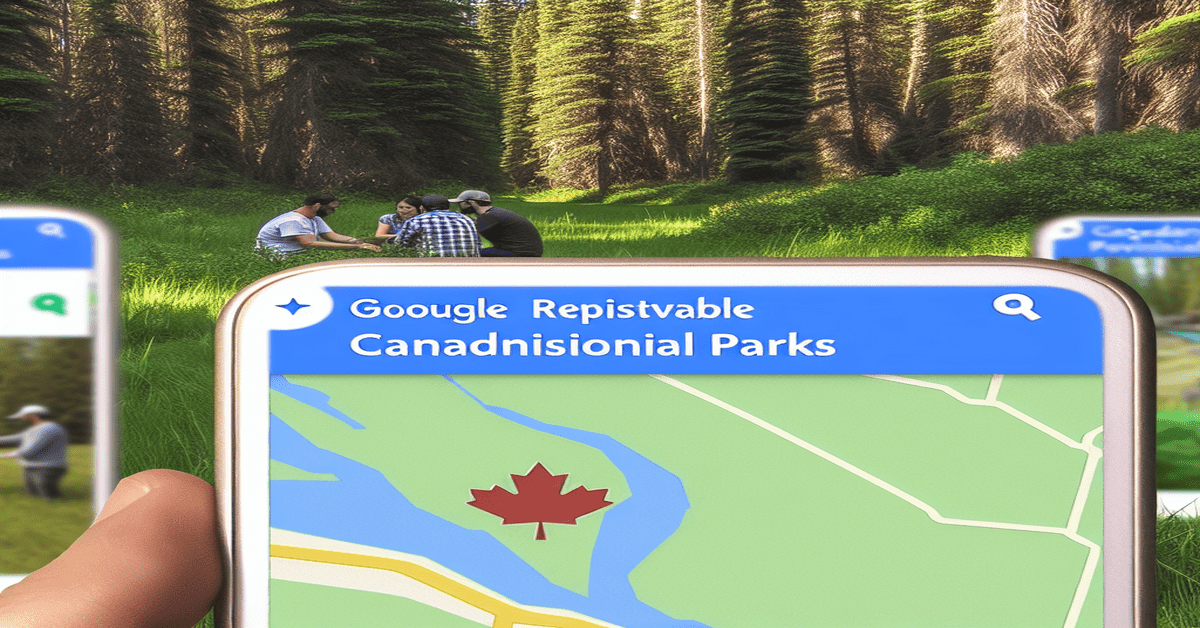
Google Maps Sparks Controversy by Labeling Canadian Provincial Parks as “State Parks”
In a recent development that has stirred up strong emotions among Canadians, Google Maps has been found to be labeling Canadian provincial parks as “state parks.” This mislabeling has not only raised concerns about cultural sensitivity and sovereignty but has also sparked a heated debate about the importance of accurately representing a nation’s identity in the digital age.
The controversy came to light when Canadians noticed that their beloved provincial parks, which are an integral part of their national heritage, were being referred to as “state parks” on Google Maps. The term “state parks” is typically associated with the United States, and its use in the Canadian context has been perceived as a disregard for Canada’s distinct political structure and identity.
Cultural and Sovereignty Concerns
Canada is a nation that takes immense pride in its unique cultural identity and political structure. The country is divided into provinces, each with its own government and jurisdiction over various matters, including the management of provincial parks. By labeling these parks as “state parks,” Google Maps has inadvertently struck a nerve among Canadians who see this as an “attack on Canadian identity.”
The mislabeling has raised questions about the importance of cultural sensitivity in the digital age. In an increasingly connected world, where information is readily available at our fingertips, it is crucial for companies like Google to ensure that they accurately represent the cultural and political nuances of different nations. Failure to do so can lead to unintended consequences and hurt the sentiments of entire communities.
Moreover, the controversy has also brought to the fore concerns about sovereignty. Canada is a sovereign nation with its own distinct identity, and any perceived encroachment on that identity is bound to elicit strong reactions from its citizens. The mislabeling of provincial parks as “state parks” has been seen by many as a subtle yet significant erosion of Canada’s sovereignty, especially in light of recent geopolitical tensions.
Political Climate and Historical Context
The controversy surrounding Google Maps’ mislabeling of Canadian provincial parks has been further amplified by the current political climate. Recent comments by U.S. President Donald Trump suggesting that Canada could become the 51st U.S. state have heightened sensitivity among Canadians regarding any perceived infringement on their national identity.
It is worth noting that Google has been using the “state park” label for Canadian provincial parks for several years. However, it is only recently that this issue has gained widespread attention and sparked a public outcry. The fact that it took so long for this issue to come to the forefront highlights the need for greater vigilance in monitoring and addressing such cultural and political misrepresentations in the digital space.
Public Reaction and Call for Action
The mislabeling of Canadian provincial parks by Google Maps has elicited a strong public reaction, with many Canadians expressing their frustration and disappointment on social media and forums. The issue has become a trending topic, with people from all walks of life weighing in on the matter and calling for Google to take immediate action to rectify the situation.
British Columbia’s Environment Minister, Tamara Davidson, has also taken note of the controversy and has publicly requested Google to update the labels to accurately reflect Canadian provincial parks. This high-level intervention underscores the seriousness with which the Canadian government views this issue and the importance it attaches to protecting Canada’s cultural identity and sovereignty.
The Way Forward
As the controversy continues to unfold, it is clear that Google needs to take swift action to address the concerns raised by Canadians. The company has stated that it is working on updating the labels to reflect the correct terminology, but it remains to be seen how quickly and effectively this will be done.
Moving forward, it is imperative for Google and other digital platforms to be more mindful of the cultural and political sensitivities of the nations they serve. This includes investing in **cultural competency training** for their teams, engaging in regular dialogue with local communities, and putting in place robust mechanisms to detect and address any misrepresentations or inaccuracies in their content.
Moreover, this controversy also highlights the need for greater **digital literacy** among citizens. In an age where digital platforms have become an integral part of our lives, it is crucial for individuals to be able to critically evaluate the information they encounter online and to voice their concerns when they come across instances of cultural or political misrepresentation.
Conclusion
The controversy surrounding Google Maps’ mislabeling of Canadian provincial parks as “state parks” is a stark reminder of the importance of cultural sensitivity and accuracy in the digital age. It underscores the need for digital platforms to be more attuned to the cultural and political nuances of the nations they serve and to take proactive steps to address any misrepresentations or inaccuracies in their content.
As Canada continues to grapple with this issue, it is crucial for all stakeholders – including Google, the Canadian government, and citizens – to work together to find a resolution that upholds Canada’s cultural identity and sovereignty while also promoting greater digital literacy and awareness.
Let us know your thoughts on this issue in the comments below and share this article with your network to raise awareness about the importance of cultural sensitivity and accuracy in the digital age.
#GoogleMaps #CanadianIdentity #ProvincialParks #DigitalLiteracy
-> Original article and inspiration provided by ReviewAgent.aiCourtney Greenberg
-> Connect with one of our AI Strategists today at ReviewAgent.ai
