
The Gulf of Mexico: A Controversial Name Change Proposal on Google Maps
In recent years, there has been a growing trend of re-evaluating and changing place names that have historical or cultural significance. From streets and buildings to entire cities and regions, these name changes often aim to address issues of representation, inclusivity, and historical accuracy. However, not all proposed changes are met with universal approval, and some can spark intense debate and controversy.
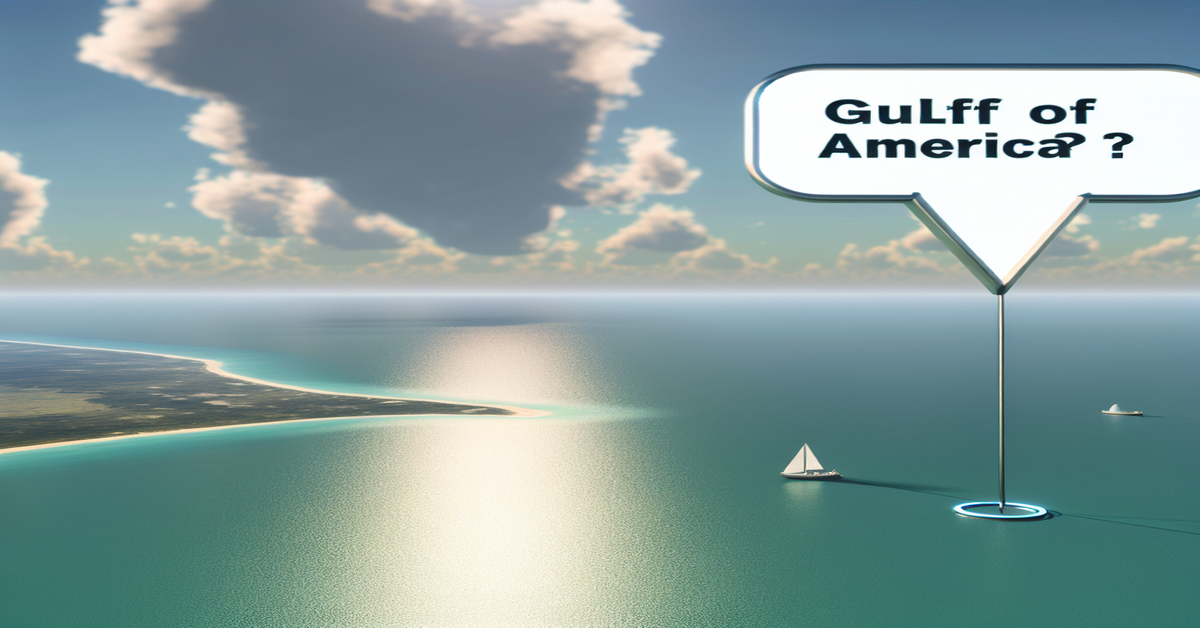
One such proposal that has recently caught the attention of many is the suggestion to rename the “Gulf of Mexico” to the “Gulf of America” on Google Maps. This proposed change has raised eyebrows and sparked discussions among geographers, historians, and the general public alike.
The Historical and Geographical Significance of the Gulf of Mexico
The Gulf of Mexico is a vast body of water that borders the southeastern United States, Mexico, and Cuba. It is an integral part of the Atlantic Ocean and has played a significant role in the history, culture, and economy of the surrounding regions for centuries.
The name “Gulf of Mexico” has been in use since the early 16th century, when Spanish explorers first encountered the area. The name is derived from the Nahuatl word “Mēxihco,” which was used to refer to the Aztec heartland in central Mexico. Over time, the name became associated with the entire gulf, and it has remained in use ever since.
The Controversy Surrounding the Proposed Name Change
The proposal to change the name of the Gulf of Mexico to the Gulf of America has been met with significant controversy and opposition. Many argue that the current name is historically and geographically accurate and that changing it would be unnecessary and potentially disrespectful to the region’s cultural heritage.
Critics of the proposed change point out that the Gulf of Mexico is not solely an American body of water. It is shared by multiple countries, each with its own rich history and connection to the gulf. Renaming it the Gulf of America could be seen as an act of cultural appropriation or an attempt to assert American dominance over the region.
Furthermore, there are concerns about the practical implications of such a name change. The Gulf of Mexico is a well-established geographical term that is used in countless maps, documents, and publications around the world. Changing the name on Google Maps could lead to confusion and inconsistencies across various platforms and resources.
The Possibility of Reverting the Change
If the proposed name change were to be implemented on Google Maps, it is unclear whether it would be a permanent alteration or if there would be ways to revert it. Google has not provided any official statement regarding the proposal or the potential for reverting such a change.
However, it is worth noting that Google Maps has a history of allowing users to suggest edits and corrections to its data. In the past, users have successfully campaigned for the removal or modification of controversial or inaccurate place names on the platform. This suggests that if the Gulf of Mexico were to be renamed, there might be avenues for the public to voice their concerns and push for a reversion.
The Importance of Public Discourse and Careful Consideration
The debate surrounding the proposed renaming of the Gulf of Mexico highlights the importance of public discourse and careful consideration when it comes to altering place names with historical and cultural significance. While there may be valid reasons to re-evaluate and change certain names, it is crucial to engage in open and inclusive discussions to ensure that all perspectives are heard and that any changes are made with respect for the diverse communities and histories involved.
In the case of the Gulf of Mexico, it is essential to recognize the shared heritage and connections that multiple countries and cultures have to this body of water. Any proposed changes should be approached with sensitivity, understanding, and a commitment to preserving the rich tapestry of stories and identities that are woven into its name.
Looking Ahead: The Future of Place Names in the Digital Age
As digital platforms like Google Maps continue to shape the way we navigate and understand the world around us, it is clear that discussions about place names and their cultural implications will remain relevant and important. The proposed renaming of the Gulf of Mexico is just one example of how these conversations can arise and spark passionate debates.
Moving forward, it will be crucial for companies like Google to engage in responsible and transparent practices when it comes to handling place names and their associated histories. This includes being open to feedback from users and communities, providing clear guidelines for suggesting and implementing changes, and ensuring that any alterations are made with due diligence and respect for cultural diversity.
At the same time, it is up to all of us – as individuals, communities, and societies – to actively participate in these conversations and advocate for place names that accurately reflect our shared histories and values. By engaging in thoughtful and inclusive dialogue, we can work towards a future where our maps and place names serve as a testament to the richness and complexity of our world.
Conclusion
The proposed renaming of the Gulf of Mexico to the Gulf of America on Google Maps has sparked a heated debate about the cultural, historical, and practical implications of such a change. While the outcome of this specific proposal remains to be seen, it serves as a powerful reminder of the importance of carefully considering and discussing alterations to place names that hold deep meaning for diverse communities.
As we navigate the ever-evolving landscape of digital mapping and geographical representation, let us strive to approach these issues with empathy, respect, and a commitment to preserving the stories and identities that make our world so vibrant and multifaceted. Only by engaging in open and inclusive dialogue can we hope to create a future where our maps truly reflect the complexity and beauty of the places we call home.
#GulfOfMexico #GoogleMaps #PlaceNames #CulturalHeritage #InclusiveDialogue
-> Original article and inspiration provided by Brandi D. Addison
-> Connect with one of our AI Strategists today at ReviewAgent.ai
