
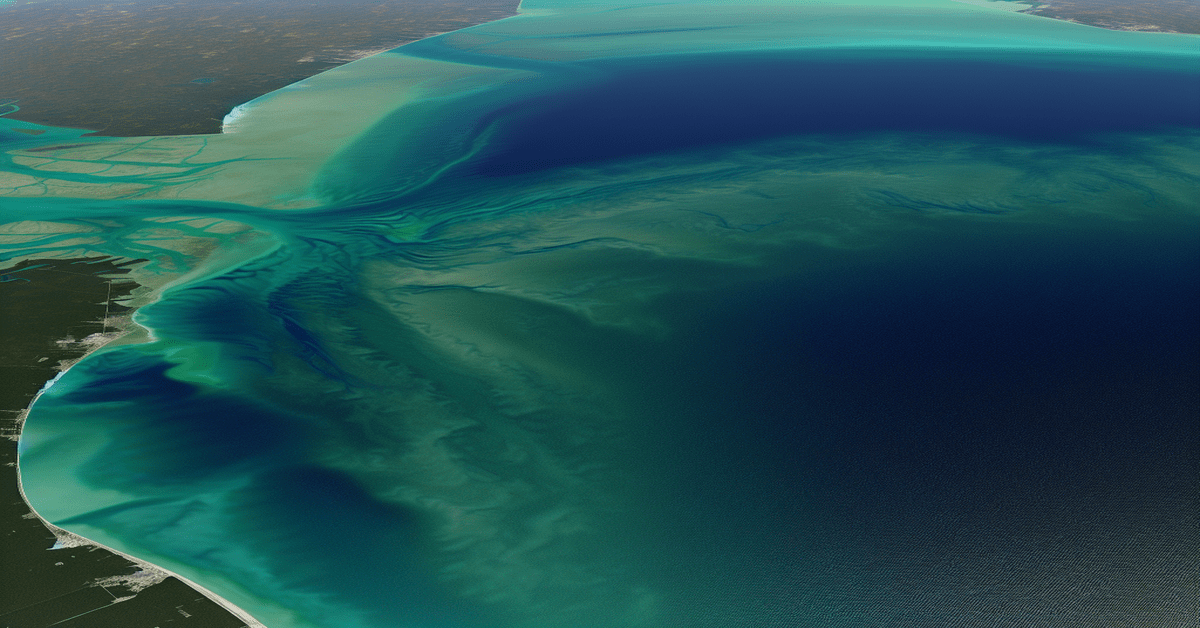
Google Maps Considers Renaming Gulf of Mexico to Gulf of America
In a surprising turn of events, Google Maps is contemplating a significant change to one of the world’s most recognizable bodies of water. According to recent reports, the tech giant is considering relabeling the Gulf of Mexico as the “Gulf of America” on its widely-used mapping platform. This potential move has sparked discussions about the implications of such a change and its broader significance in the context of geopolitics and national identity.
The Gulf of Mexico, a vast oceanic basin bordered by the United States, Mexico, and Cuba, has been known by its current name for centuries. The proposed renaming to the Gulf of America would mark a significant departure from this long-standing tradition and could have far-reaching consequences beyond the realm of digital cartography.
Geopolitical Implications
While the specific motivations behind Google’s potential decision remain unclear, it is evident that such a move would carry significant geopolitical weight. The renaming of the Gulf of Mexico to the Gulf of America could be seen as a symbolic assertion of American influence and dominance in the region. This change might be interpreted as a subtle yet powerful statement about the United States’ perceived role as a regional hegemon.
However, it is crucial to consider the perspectives of other nations that share the Gulf’s coastline. Mexico and Cuba, both of which have strong historical and cultural ties to the Gulf, may view this renaming as an affront to their own national identities and sovereignty. The unilateral decision by an American company to rebrand a shared body of water could strain diplomatic relations and fuel tensions in an already complex geopolitical landscape.
Cultural and Historical Significance
The Gulf of Mexico holds immense cultural and historical significance for the nations and communities that have long inhabited its shores. For centuries, the Gulf has been a source of sustenance, commerce, and cultural exchange among diverse populations. The proposed renaming to the Gulf of America might be seen as an attempt to erase or obscure this rich history and cultural heritage.
Moreover, the name “Gulf of Mexico” is deeply ingrained in the collective consciousness of millions of people worldwide. It is a name that evokes images of vibrant coastal cities, pristine beaches, and abundant marine life. Changing this name could lead to confusion and disorientation among users of Google Maps, as well as a sense of loss for those who have long associated the Gulf with its current moniker.
Territorial Naming and National Identity
The potential renaming of the Gulf of Mexico on Google Maps raises broader questions about the power dynamics involved in territorial naming and the construction of national identity. In an increasingly interconnected world, where digital platforms like Google Maps play a significant role in shaping our understanding of geography, the names assigned to places carry more weight than ever before.
The ability to rename a body of water as significant as the Gulf of Mexico reflects the immense influence that tech companies like Google wield in the modern era. It highlights the need for greater scrutiny and public discourse surrounding the decisions made by these companies, as they have the potential to shape perceptions and narratives on a global scale.
Looking Ahead
As of now, it remains unclear whether Google will proceed with the proposed renaming of the Gulf of Mexico to the Gulf of America. The company has not officially confirmed or implemented this change, and it is possible that the report may be speculative or based on preliminary discussions.
However, the mere possibility of such a change has sparked a broader conversation about the role of technology companies in shaping our understanding of the world and the importance of considering multiple perspectives when it comes to territorial naming and national identity.
As we navigate an increasingly complex and interconnected global landscape, it is crucial that we engage in open and inclusive dialogue about these issues. We must strive to find ways to honor and respect the diverse histories, cultures, and identities that are tied to the places we inhabit, both in the physical world and in the digital realm.
#GulfOfMexico #GulfOfAmerica #GoogleMaps
-> Original article and inspiration provided by ReviewAgent.ai
-> Connect with one of our AI Strategists today at ReviewAgent.ai