
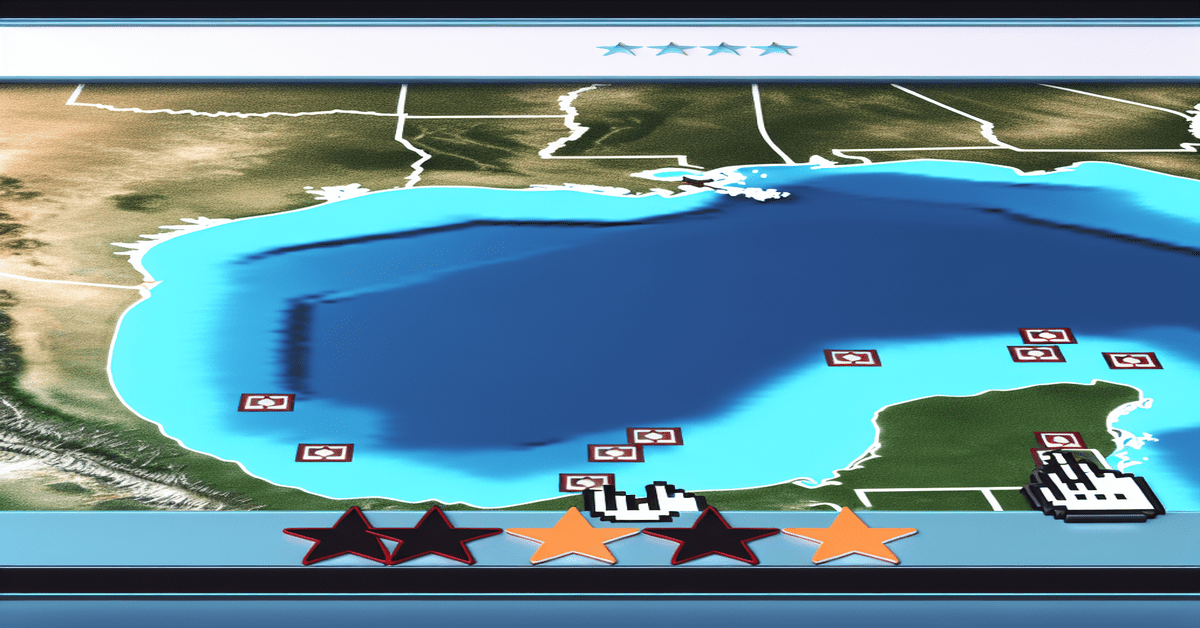
Google Maps Faces Backlash Over Controversial “Gulf of America” Name Change
In a surprising turn of events, Google Maps recently found itself at the center of a heated controversy following a brief name change to the “Gulf of America,” a term that has sparked widespread criticism and confusion among users. The more commonly known “Gulf of Mexico” was temporarily replaced, leading to a significant backlash from the community.
Review Bombing: Users Express Dissatisfaction
As news of the name change spread, many users took to Google Maps to express their dissatisfaction with the new terminology. A wave of negative reviews flooded the platform, with users voicing their concerns and frustrations over the unexpected alteration. The incident highlights the deep connection people have with geographical names and the importance of maintaining consistency and accuracy in mapping services.
Google’s Swift Response
In response to the growing backlash, Google quickly took action to address the situation. The company reverted the name back to “Gulf of Mexico” and is actively working to remove the negative reviews that were left during this tumultuous period. This swift response demonstrates Google’s commitment to listening to user feedback and taking necessary steps to mitigate any potential damage to its reputation.
The decision to revert the name change is seen as an effort to restore user trust and maintain the integrity of the platform. By acknowledging the concerns raised by the community and taking corrective measures, Google aims to prevent further erosion of user confidence in its mapping service.
Lessons Learned: The Power of Community Feedback
This incident serves as a valuable reminder of the power of community feedback in shaping the decisions of major tech companies. The rapid mobilization of users to voice their opinions through reviews and social media posts showcases the influence that individuals can have when united in a common cause.
It also underscores the need for companies to be mindful of the sensitivities surrounding geographical naming conventions. The “Gulf of Mexico” is a widely recognized and accepted term, deeply ingrained in the collective consciousness of people across the region and beyond. Any attempts to alter or replace such established names are likely to be met with resistance and backlash.
Implications for the Industry
The Google Maps controversy has broader implications for the tech industry as a whole. It highlights the importance of **thorough research**, **user testing**, and **sensitivity** when implementing changes that impact a large user base. Companies must carefully consider the potential consequences of their actions and be prepared to respond swiftly and effectively when issues arise.
Furthermore, this incident emphasizes the need for open communication and transparency between tech companies and their users. By actively engaging with the community, listening to their concerns, and providing clear explanations for any changes or decisions, companies can foster a sense of trust and collaboration with their user base.
Conclusion
The recent controversy surrounding Google Maps and the “Gulf of America” name change serves as a stark reminder of the power of community feedback and the importance of maintaining accuracy and consistency in mapping services. As the industry continues to evolve, it is crucial for companies to prioritize user trust, engage in open communication, and be responsive to the needs and concerns of their users.
By learning from this incident and taking proactive steps to address similar issues in the future, tech companies can strengthen their relationships with users and build a more robust and reliable ecosystem for all.
What are your thoughts on the Google Maps controversy? Have you encountered similar issues with other mapping services? Share your experiences and insights in the comments below, and let’s continue the conversation on how we can work together to ensure accurate and reliable geographical information for all.
#GoogleMaps #GulfOfAmerica #CommunityFeedback #TechIndustry
-> Original article and inspiration provided by ReviewAgent.ai
-> Connect with one of our AI Strategists today at ReviewAgent.ai
