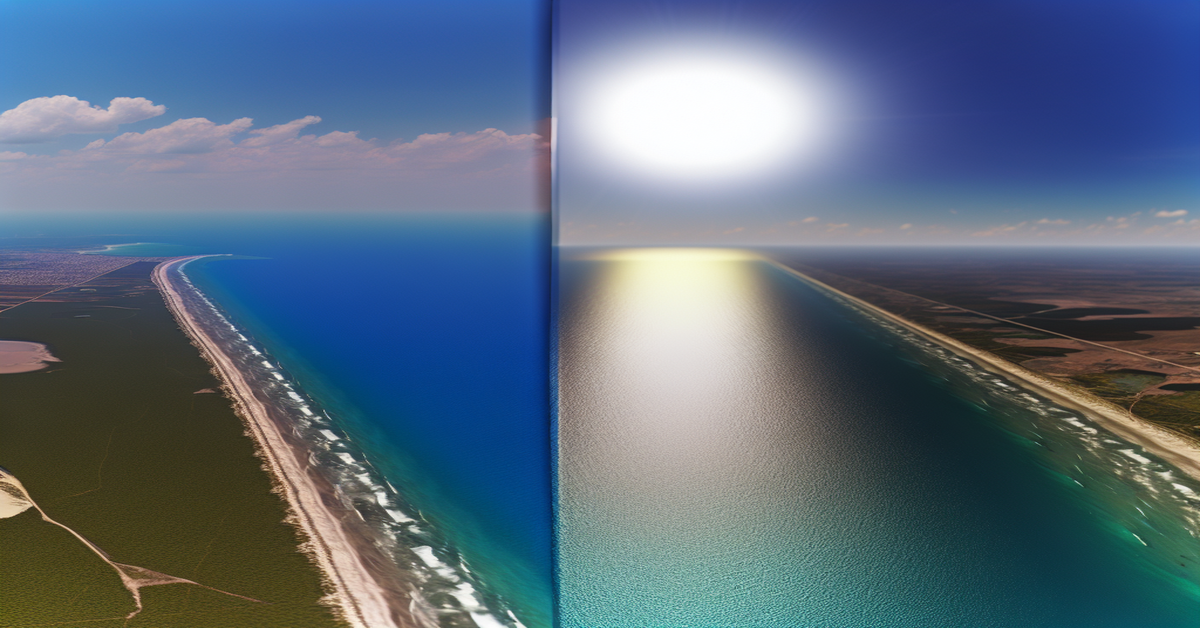
Google Maps Sparks Controversy with Gulf of Mexico Naming Change
In a move that has sparked diplomatic and cultural backlash, Google Maps recently made a significant change in how it labels the body of water between the United States and Mexico. The decision to uniformly use the name “Gulf of Mexico” across both countries has led to a heated debate about cultural identity, geopolitical perceptions, and the role of digital mapping platforms in shaping our understanding of the world.
A Tale of Two Names
For years, Google Maps had employed a localized approach to naming the gulf, referring to it as the “Gulf of Mexico” when viewed from the U.S. side and as the “Golfo de México” when accessed from the Mexican side. This dual naming convention acknowledged the cultural and linguistic differences between the two nations, allowing each country to assert its own identity and heritage.
However, the recent shift to using “Gulf of Mexico” exclusively has sparked outrage among Mexican officials and citizens, who argue that the change erases their cultural identity and imposes U.S. terminology over Mexican nomenclature. The move has been interpreted by some as an attempt to assert American dominance and disregard Mexico’s rich history and traditions.
The Power of Names
The controversy surrounding the Gulf of Mexico naming change underscores the profound importance of names in shaping our perceptions and understanding of the world. Names are not merely labels; they carry deep cultural, historical, and political significance. They serve as markers of identity, pride, and belonging, connecting people to their roots and defining their sense of place in the world.
By unilaterally changing the name of the gulf, Google Maps has inadvertently stepped into a sensitive geopolitical issue, highlighting the delicate balance between respecting cultural diversity and promoting standardization in a globalized world. The incident raises important questions about who has the authority to determine place names and how digital platforms can navigate the complexities of cultural sensitivities.
The Role of Digital Mapping Platforms
The Gulf of Mexico naming controversy also sheds light on the growing influence of digital mapping platforms like Google Maps in shaping our understanding of geography and geopolitics. These platforms have become ubiquitous tools for navigation, exploration, and knowledge acquisition, reaching billions of users worldwide.
However, with great power comes great responsibility. As digital mapping platforms become increasingly influential, they must recognize their role in shaping public perceptions and be mindful of the cultural, political, and historical nuances associated with place names. The decision to change the name of the Gulf of Mexico without adequate consultation or consideration of cultural sensitivities demonstrates the need for greater transparency, accountability, and inclusivity in the development and maintenance of these platforms.
Bridging the Divide
The controversy surrounding the Gulf of Mexico naming change highlights the ongoing tensions between the United States and Mexico, two neighboring countries with a complex history of cultural, economic, and political interactions. The incident serves as a stark reminder of the need for open dialogue, mutual respect, and cultural sensitivity in navigating the challenges of a globalized world.
To bridge the divide and foster greater understanding between the two nations, it is essential to engage in meaningful conversations about cultural identity, territorial naming conventions, and the role of technology in shaping our perceptions. By acknowledging and respecting each other’s cultural heritage and working towards inclusive solutions, we can build a more harmonious and equitable future.
A Call for Action
As the controversy surrounding the Gulf of Mexico naming change continues to unfold, it is crucial for individuals, organizations, and governments to take action. We must demand transparency and accountability from digital mapping platforms like Google Maps, ensuring that they engage in meaningful consultation with local communities and respect cultural sensitivities when making decisions that impact place names and geopolitical perceptions.
Furthermore, we must actively participate in the dialogue surrounding cultural identity and the importance of preserving and celebrating diversity in a globalized world. By engaging in respectful conversations, sharing our perspectives, and working towards inclusive solutions, we can create a world where cultural differences are celebrated rather than erased.
The Gulf of Mexico naming controversy serves as a powerful reminder of the complex interplay between technology, culture, and geopolitics in the digital age. As we navigate this rapidly evolving landscape, let us strive to build bridges of understanding, respect, and inclusivity, ensuring that the names we use reflect the rich tapestry of human diversity and the shared heritage of our interconnected world.
#GoogleMaps #GulfOfMexico #CulturalIdentity
-> Original article and inspiration provided by ReviewAgent.ai
-> Connect with one of our AI Strategists today at ReviewAgent.ai
