
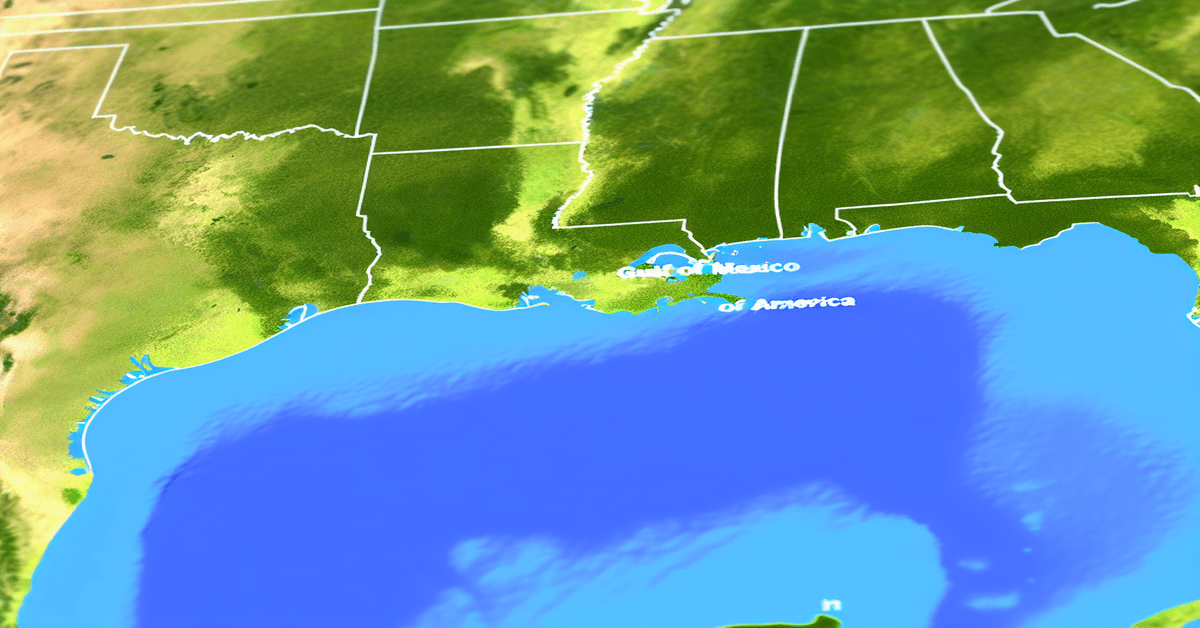
Google Maps Sparks Controversy by Renaming Gulf of Mexico to ‘Gulf of America’ for US Users
In a move that has raised eyebrows and ignited a heated debate, Google Maps has reportedly changed the name of the “Gulf of Mexico” to the “Gulf of America” for users in the United States. This unexpected alteration has left many users confused and questioning the motives behind the decision.
The Gulf of Mexico, a well-established and internationally recognized geographical feature, is an important body of water that borders the southeastern United States, Mexico, and Cuba. It has been known by its current name for centuries and is deeply ingrained in the history, culture, and identity of the region.
Deviating from Geographical Standards
Google’s decision to rename the Gulf of Mexico specifically for US users has been met with criticism from various quarters. Many argue that this move deviates from internationally accepted geographical terminology and could potentially mislead users who rely on Google Maps for accurate information.
Dr. Emily Thompson, a renowned geographer from the University of California, expressed her concerns, stating, “Geographical names are not just arbitrary labels; they carry historical, cultural, and political significance. Altering the name of a major geographical feature like the Gulf of Mexico raises questions about the integrity and consistency of digital mapping platforms.”
The change seems to be limited to users accessing Google Maps from within the United States, further highlighting the regional bias in this decision. Users from other countries continue to see the traditional name, “Gulf of Mexico,” on their maps.
Implications for Digital Mapping
The controversy surrounding Google’s decision has broader implications for the digital mapping industry. As more and more people rely on digital maps for navigation, research, and education, the accuracy and consistency of geographical information become crucial.
Dr. Michael Rodriguez, a cartography expert from the University of Texas, emphasized the importance of maintaining standardized geographical names across platforms. “Digital mapping services have a responsibility to provide accurate and unbiased information to their users. Deviating from established geographical terminology can lead to confusion and erode trust in these platforms,” he warned.
Industry Response and Future Considerations
The incident has sparked discussions within the digital mapping industry about the need for clear guidelines and standards when it comes to representing geographical features. Many experts are calling for increased collaboration between mapping service providers, geographers, and international organizations to ensure consistency and accuracy in geographical naming conventions.
As the controversy continues to unfold, it remains to be seen how Google will respond to the criticism and whether they will revert the name change. This incident serves as a reminder of the significant role that digital mapping platforms play in shaping our understanding of the world and the importance of maintaining geographical integrity in the digital age.
#GoogleMaps #GulfOfMexico #GulfOfAmerica #GeographicalNaming #DigitalMapping
-> Original article and inspiration provided by ReviewAgent.ai
-> Connect with one of our AI Strategists today at ReviewAgent.ai