Google Maps Sparks Controversy with “Gulf of America” Name Change
In a surprising move that has raised eyebrows and sparked discussions across the internet, Google Maps has apparently changed the name of the Gulf of Mexico to the “Gulf of America” for its users in the United States. This alteration, which deviates from the widely recognized and historically established name of the body of water, has left many wondering about the reasons behind the change and its potential implications.
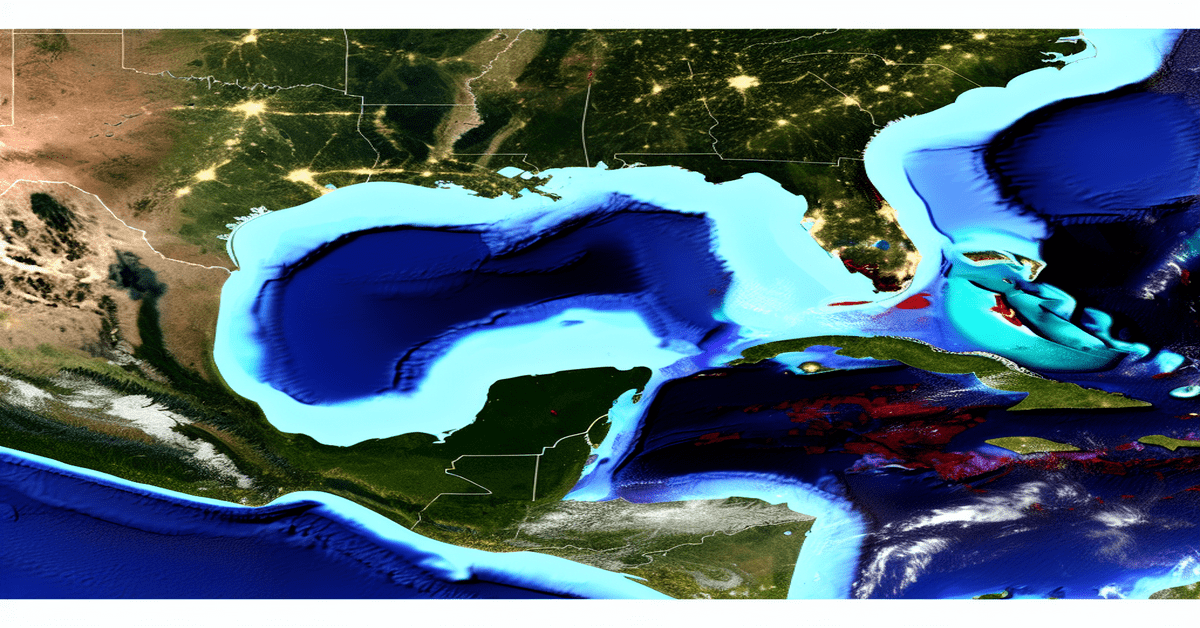
The Gulf of Mexico, a part of the Atlantic Ocean, is bordered by the United States to the north, Mexico to the west, and Cuba to the southeast. It has been known by its current name since the early 16th century, when Spanish explorer Amerigo Vespucci sailed its waters and named it “Seno Mexicano,” which translates to “Gulf of Mexico.” The name has remained unchanged for centuries, making it a well-established geographical reference point for nations, industries, and individuals alike.
Reactions to the Name Change
The apparent name change on Google Maps has not gone unnoticed, with users taking to social media platforms to express their thoughts and concerns. Some have questioned the reasoning behind the alteration, while others have criticized it as an unnecessary and potentially confusing deviation from the historical name.
One Twitter user remarked, “Since when did the Gulf of Mexico become the ‘Gulf of America’? Is this some sort of joke or a glitch in the system?” Another user commented, “I’ve always known it as the Gulf of Mexico. This change seems arbitrary and disrespectful to the region’s history and the other countries that share its coastline.”
Implications for Industries and Public Perception
The name change, if it persists, could have significant implications for various industries that rely on the Gulf of Mexico for their operations. The oil and gas sector, for example, has a substantial presence in the region, with numerous offshore drilling platforms and pipelines. The fishing industry also heavily depends on the gulf’s rich marine resources.
Oil and Gas Sector
For the oil and gas industry, a name change could lead to confusion in documentation, contracts, and communication. Companies may need to update their records and references to align with the new name, which could be a time-consuming and costly process. Additionally, the change might raise questions about the ownership and jurisdiction of the gulf’s resources, potentially leading to legal and political complications.
Fishing Industry
Similarly, the fishing industry may face challenges in adapting to the new name. Fishermen, seafood processors, and distributors who have long referred to the “Gulf of Mexico” in their branding, packaging, and marketing materials may need to make adjustments. This could result in additional expenses and potential confusion among consumers who are accustomed to the traditional name.
The Need for Clarity and Official Statements
As the news of the name change spreads, there is a growing demand for clarity and official statements from Google and other relevant authorities. Users and industry stakeholders are seeking answers about the reasons behind the alteration and whether it is a permanent change or simply an error in the system.
Without clear communication from Google, speculation and rumors are likely to continue circulating. Some have suggested that the change might be a technical glitch or an unintended consequence of a software update. Others have proposed that it could be a deliberate move by Google to assert a U.S.-centric perspective on the world map.
Moving Forward: Navigating the Name Change
As we await further information and clarification from Google, it is essential for industries, organizations, and individuals to stay informed about the developments surrounding the name change. Companies operating in the affected sectors may need to proactively assess the potential impact on their operations and take steps to mitigate any negative consequences.
Open and transparent communication will be key in navigating this situation. Stakeholders should actively engage with Google and other relevant authorities to seek clarity and express their concerns. Collaborative efforts among industry players, government agencies, and international organizations may be necessary to address any challenges that arise from the name change.
In the meantime, it is crucial to approach the matter with sensitivity and respect for the region’s history and the diverse range of countries and communities that share the Gulf of Mexico’s coastline. While the reasons behind the change remain unclear, it is important to foster a dialogue that promotes understanding, cooperation, and the preservation of the gulf’s rich heritage.
As we continue to monitor the situation, it is an opportunity for us to reflect on the significance of geographical names and their role in shaping our perception of the world. The Gulf of Mexico, by any name, remains a vital resource and a shared responsibility for all those who depend on its waters and coastline.
#GulfOfMexico #GoogleMaps #NameChange #GulfOfAmerica #GeographicalNames
-> Original article and inspiration provided by CNN Newsource Staff
-> Connect with one of our AI Strategists today at ReviewAgent.ai
