
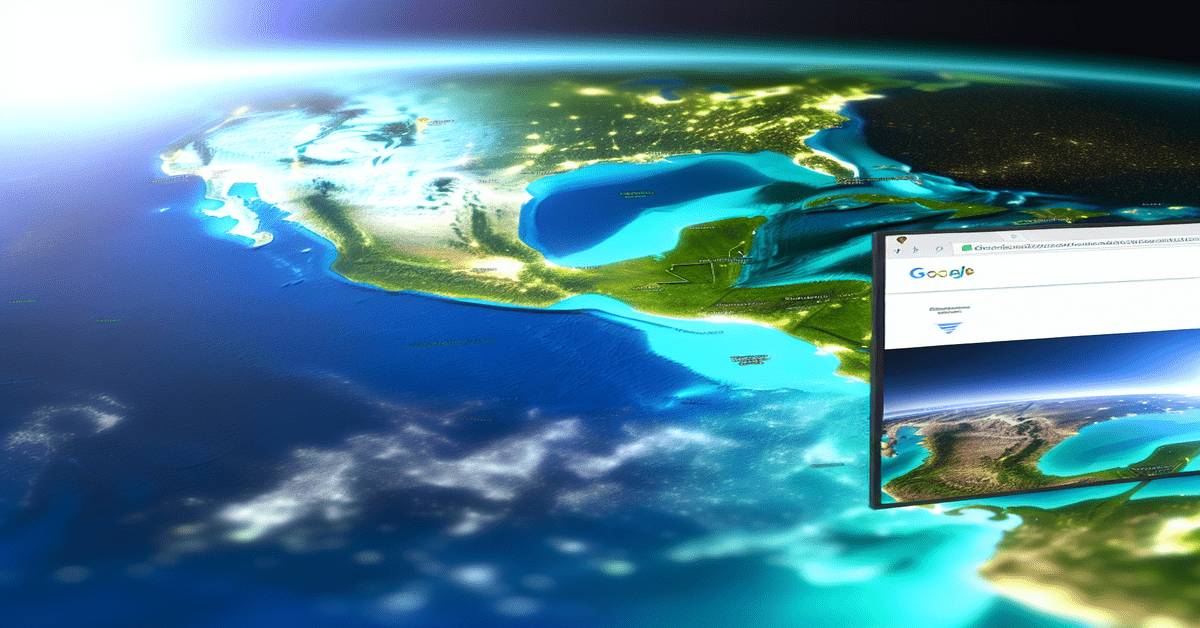
Google Renames Gulf of Mexico to Gulf of America: A Controversial Move
In a surprising move that has sent shockwaves through the geographic community, Google has officially renamed the “Gulf of Mexico” to the “Gulf of America” on its widely-used mapping service, Google Maps. This change, which was recently reported by John Connolly from NorthJersey.com, has sparked a heated debate about the implications of altering such a well-established geographical name.
The Gulf of Mexico, a significant body of water located in the Atlantic Ocean, has been recognized by this name for centuries. It is bordered by the United States to the north, Mexico to the west, and Cuba to the southeast. The gulf plays a vital role in the region’s economy, with industries such as fishing, oil and gas extraction, and tourism heavily relying on its resources.
The Implications of the Name Change
Google’s decision to rename the Gulf of Mexico to the Gulf of America raises several questions about the **authority** and **responsibility** of tech giants in shaping our perception of the world. As a leading provider of digital maps, Google Maps has become a go-to resource for millions of users worldwide. The platform’s influence on how we understand and interact with geographical features cannot be understated.
By changing the name of such a prominent and historically significant body of water, Google is essentially **rewriting geography**. This move may have far-reaching consequences, affecting everything from education to international relations. Students learning about the region may now be taught about the Gulf of America, while businesses and organizations operating in the area may need to update their references to align with Google’s new nomenclature.
Reactions and Concerns
The news of Google’s decision has been met with a mix of surprise, confusion, and outrage. Many users have expressed their disapproval of the name change, arguing that it **disregards the cultural and historical significance** of the Gulf of Mexico. Some have even accused Google of **Americentrism**, suggesting that the company is imposing an American-centric perspective on a shared geographical feature.
Experts in the field of geography have also weighed in on the controversy. Dr. Sarah Thompson, a renowned marine geographer, stated, “The renaming of the Gulf of Mexico to the Gulf of America is a concerning development. It raises questions about the role of technology companies in shaping our understanding of the world and the potential for misrepresentation of geographical facts.”
Governmental bodies and international organizations have yet to comment on Google’s decision officially. However, it is expected that the move will face **scrutiny and potential backlash** from affected countries, particularly Mexico, which shares a significant portion of the gulf’s coastline.
The Need for Transparency and Accountability
As the controversy surrounding Google’s renaming of the Gulf of Mexico continues to unfold, it is crucial to address the issue of **transparency and accountability** in the tech industry. Google has not provided a clear explanation for its decision to change the name of the gulf, leaving users and stakeholders in the dark about the rationale behind the move.
It is essential for tech companies like Google to engage in open communication with the public when making significant changes that impact our understanding of the world. Transparency about the decision-making process, along with a willingness to listen to feedback and concerns from affected parties, is necessary to maintain trust and credibility.
Furthermore, there must be mechanisms in place to hold tech giants accountable for their actions. Governments and international bodies should work together to establish guidelines and regulations that ensure responsible and accurate representation of geographical information in digital platforms.
Conclusion
Google’s decision to rename the Gulf of Mexico to the Gulf of America has sparked a heated debate about the role of technology companies in shaping our perception of the world. While the full implications of this move are yet to be seen, it is clear that it has raised concerns about the **authority and responsibility** of tech giants in handling sensitive geographical information.
As we navigate this new era of digital cartography, it is crucial to prioritize transparency, accountability, and respect for cultural and historical significance. Only by working together can we ensure that the virtual representations of our world align with reality and serve the best interests of all stakeholders involved.
#GoogleMaps #GulfOfAmerica #GeographyControversy
-> Original article and inspiration provided by John Connolly, NorthJersey.com
-> Connect with one of our AI Strategists today at ReviewAgent.ai
