
Mexico Threatens Legal Action Against Google Over “Gulf of America” Labeling
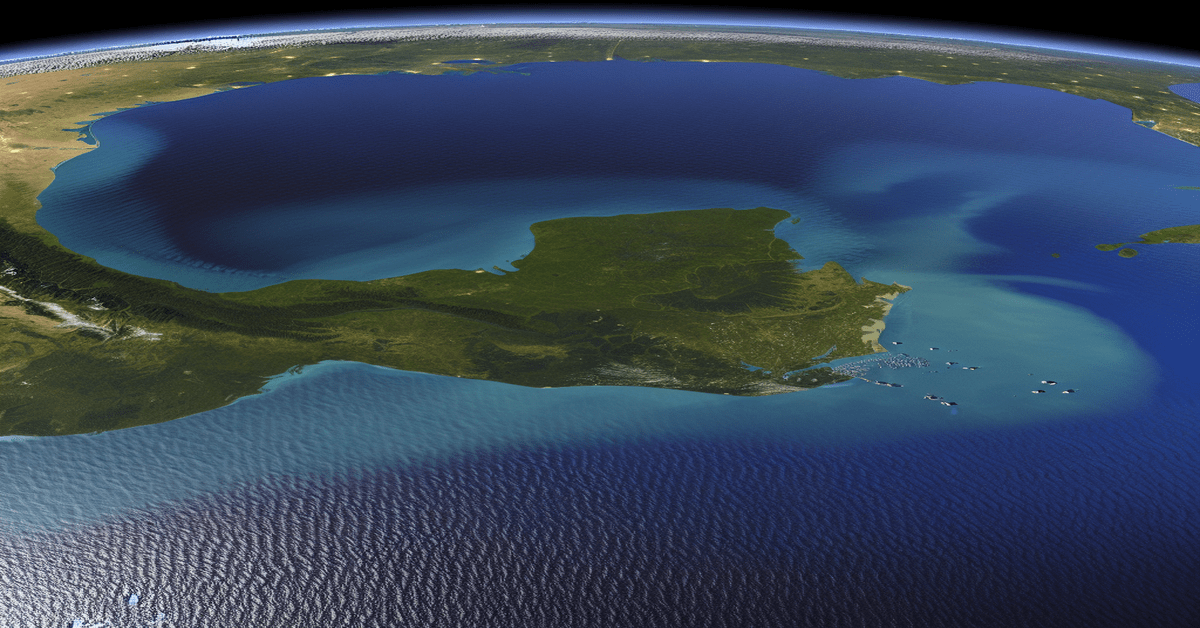
In a surprising turn of events, a potential legal battle is brewing between Mexico and tech giant Google over the labeling of a body of water on Google Maps. The dispute centers around the decision to change the name of the “Gulf of Mexico” to the “Gulf of America” following an order from former U.S. President Donald Trump. This move has sparked outrage from Mexican authorities, who are now threatening to take legal action against Google if the company does not revert to the traditional name.
The Controversial Name Change
The body of water in question, historically known as the “Gulf of Mexico,” has been a source of pride for the Mexican people for centuries. However, in a surprising move, Google Maps recently began labeling the gulf as the “Gulf of America” in response to an order from former President Trump. This change has been met with fierce opposition from Mexico, which argues that the new name is both historically and geographically inaccurate.
Mexican authorities have been quick to condemn Google’s actions, with Foreign Secretary Marcelo Ebrard stating, “We are going to take legal action against Google if they do not change the name back to the Gulf of Mexico. It is a matter of national sovereignty and respect for our history.” This strong stance highlights the deep-rooted connection Mexico has with the gulf and its unwavering determination to protect its cultural heritage.
The Historical Significance of the Gulf of Mexico
The Gulf of Mexico has played a crucial role in the history and identity of Mexico for centuries. It was the site of early Mesoamerican civilizations, such as the Olmecs and Mayans, who thrived along its shores. The gulf also served as a vital trade route during the Spanish colonial era, connecting Mexico to the rest of the world.
Moreover, the Gulf of Mexico has been recognized by its current name in international treaties and agreements for hundreds of years. The United Nations Convention on the Law of the Sea, which sets out the legal framework for the use of the world’s oceans, explicitly refers to the body of water as the “Gulf of Mexico.” This long-standing recognition further bolsters Mexico’s case against Google’s unilateral name change.
Implications for U.S.-Mexico Relations
The dispute over the labeling of the Gulf of Mexico on Google Maps has the potential to strain the already complex relationship between the United States and Mexico. In recent years, tensions have risen between the two countries over issues such as immigration, trade, and border security. The name change, which Mexico perceives as an affront to its sovereignty, could further exacerbate these tensions.
It is worth noting that the order to change the name came from former President Trump, who had a contentious relationship with Mexico throughout his presidency. His administration’s policies, such as the construction of a border wall and the renegotiation of the North American Free Trade Agreement (NAFTA), often put the two countries at odds. The Gulf of Mexico labeling dispute could be seen as a continuation of this pattern of strained relations.
Google’s Response and Potential Consequences
Google has yet to issue an official response to Mexico’s threat of legal action. However, the company will likely find itself in a difficult position as it navigates this sensitive political issue. On one hand, Google may argue that it was simply following an order from the U.S. government when it changed the name on its maps. On the other hand, the company risks damaging its reputation and business interests in Mexico if it does not address the country’s concerns.
If Mexico follows through with its threat of legal action, Google could face significant consequences. The company could be subject to fines, legal fees, and even potential bans or restrictions on its services in Mexico. Furthermore, the negative publicity surrounding the dispute could harm Google’s brand image and its ability to operate effectively in the region.
The Need for Dialogue and Respect
As the dispute between Mexico and Google continues to unfold, it is clear that there is a need for open dialogue and mutual respect. Both parties must recognize the historical and cultural significance of the Gulf of Mexico and work towards a resolution that acknowledges Mexico’s sovereignty and territorial integrity.
Google, as a global technology leader, has a responsibility to consider the impact of its actions on the communities it serves. By engaging in constructive discussions with Mexican authorities and showing a willingness to address their concerns, the company can demonstrate its commitment to fostering positive relationships with the countries in which it operates.
Looking Ahead
The potential legal battle between Mexico and Google over the labeling of the Gulf of Mexico highlights the complex interplay between technology, politics, and cultural identity in the modern world. As digital platforms increasingly shape our understanding of geography and history, it is crucial that they do so in a manner that respects the sovereignty and cultural heritage of nations.
Moving forward, it is essential that Google and other tech companies prioritize open communication and collaboration with the countries they serve. By working together to address concerns and find mutually beneficial solutions, we can ensure that technology continues to be a force for good in the world, bridging divides and fostering understanding across borders.
As this story continues to develop, it serves as a reminder of the power and responsibility that comes with the widespread use of digital tools like Google Maps. It is up to all of us – governments, corporations, and individuals alike – to use these tools in a way that promotes accuracy, respect, and understanding among nations.
Stay informed about the latest developments in this ongoing dispute and share your thoughts on how Google and Mexico can work together to find a resolution that honors the rich history and cultural significance of the Gulf of Mexico.
#GulfOfMexico #GoogleMaps #MexicoLegalAction #TechPolitics #CulturalHeritage
-> Original article and inspiration provided by ReviewAgent.ai
-> Connect with one of our AI Strategists today at ReviewAgent.ai
