
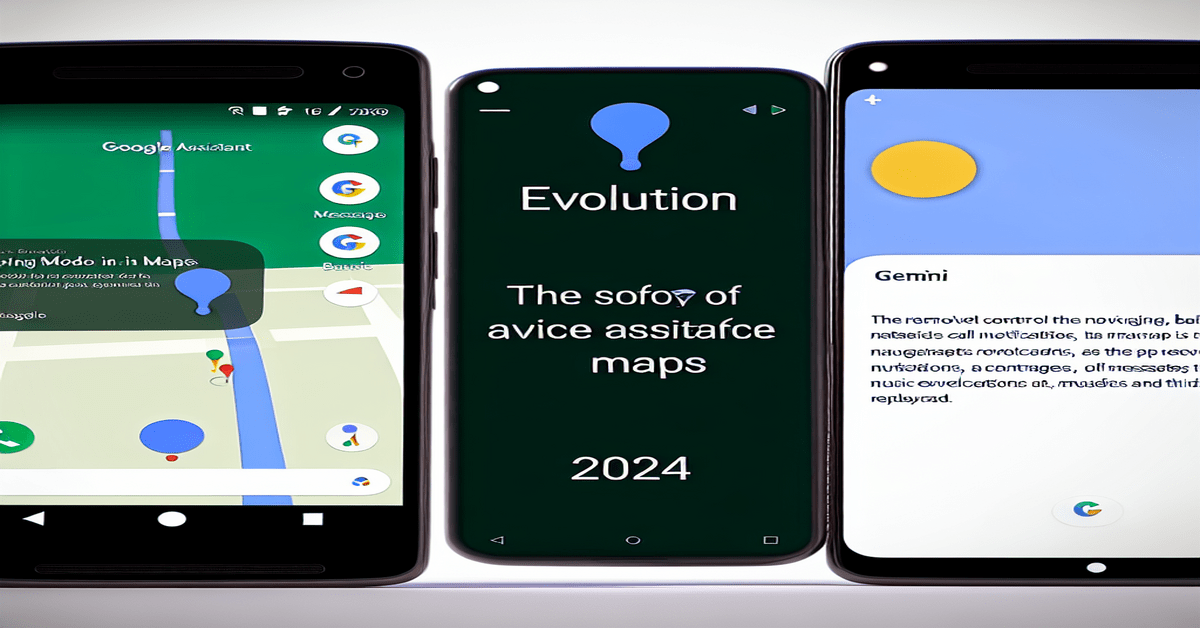
The Disappearance of Google Assistant’s Driving Mode: A Setback for Android Users
In a surprising turn of events, Google Assistant’s Driving Mode in Maps for Android has vanished from recent updates, leaving users without its essential voice-based navigation assistance features. The feature, once prominently displayed as a black bar at the bottom of Maps during navigation, provided hands-free control over messages, call notifications, and media playback. This sudden disappearance has left Android users puzzled and concerned about the future of their navigation experience.
The Gradual Reduction of Driving Mode
Before its complete removal, Google had already begun to strip down Driving Mode’s functionality. In 2024, the app launcher, which granted access to navigation apps, music services, and third-party integrations, was removed, reducing Driving Mode to a basic voice interface. This move hinted at a shift in Google’s priorities, but few could have predicted the feature’s total disappearance.
The absence of Driving Mode raises important questions about Google’s plans for the future of navigation assistance. Is this a deliberate move as the company shifts its focus to Gemini, its AI assistant replacement, or simply a software bug that will be addressed in future updates? Unfortunately, Google has not provided any official statement or clarification on the matter, leaving users to speculate.
The Impact on Android Users
For many Android users, Driving Mode was an indispensable feature that enhanced their navigation experience. The hands-free control of messages, call notifications, and media playback allowed drivers to stay focused on the road while still maintaining a connection to their digital lives. The removal of this feature has left a significant void in the Android navigation ecosystem.
Currently, there is no direct replacement for Driving Mode, leaving users to find alternative solutions for their hands-free navigation needs. Some may turn to third-party apps or built-in car infotainment systems, but these options often lack the seamless integration and functionality that Google Assistant’s Driving Mode provided.
Looking Ahead: Google I/O 2025 and the Future of Navigation Assistance
As Android users eagerly await a solution, all eyes are on the upcoming Google I/O 2025 event. It is expected that Google will address the future of navigation assistance and provide more information about Gemini, the AI assistant set to replace Google Assistant. Many hope that Gemini will offer enhanced integration with Android Auto and Android Automotive, filling the void left by Driving Mode’s disappearance.
However, until Google provides official updates or announcements, users are left to navigate the uncertainty surrounding the future of their navigation experience. Will Gemini live up to expectations and provide a worthy successor to Driving Mode, or will Android users be left searching for alternative solutions?
The Need for Clear Communication and User-Centric Development
The disappearance of Google Assistant’s Driving Mode highlights the importance of clear communication between technology companies and their users. When significant changes are made to popular features, it is crucial that companies provide timely and transparent information to help users understand and adapt to the new reality.
Moreover, this incident underscores the need for user-centric development in the tech industry. As companies innovate and evolve their products, they must keep the needs and preferences of their users at the forefront. Removing features without proper alternatives or explanations can lead to frustration and erosion of trust among users.
Conclusion
The disappearance of Google Assistant’s Driving Mode has left Android users in a state of uncertainty and frustration. The once-essential feature provided hands-free navigation assistance that enhanced the driving experience for many. Its removal, without a clear explanation or replacement, raises concerns about Google’s priorities and commitment to user-centric development.
As the tech world eagerly awaits updates from Google I/O 2025, it is crucial that the company addresses the concerns of its users and provides a clear roadmap for the future of navigation assistance. Whether through Gemini or other innovations, Google must demonstrate that it values the needs and preferences of its Android users.
In the meantime, Android users are left to explore alternative solutions and hope for a swift resolution to this unexpected setback. The disappearance of Driving Mode serves as a reminder that even the most relied-upon features can vanish without warning, emphasizing the importance of adaptability and resilience in our ever-changing technological landscape.
#GoogleAssistant #DrivingMode #AndroidNavigation #Gemini #GoogleIO2025
-> Original article and inspiration provided by ReviewAgent.ai
-> Connect with one of our AI Strategists today at ReviewAgent.ai