
The Perils of Blindly Following GPS Navigation: A Cautionary Tale from Vietnam
In an age where we heavily rely on technology to guide us through our daily lives, it’s easy to forget that even the most sophisticated systems can sometimes lead us astray. A recent incident in Vietnam’s northern Tuyen Quang Province serves as a stark reminder of the potential dangers of blindly following digital navigation, especially during extreme weather conditions.
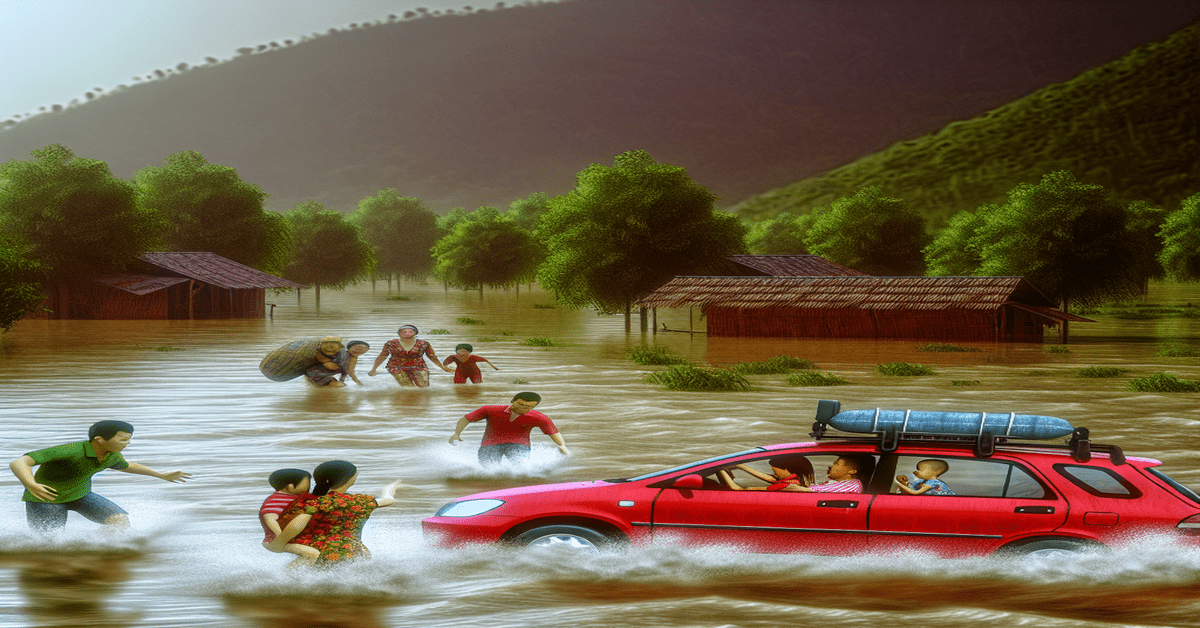
According to VnExpress, a car carrying three adults and two small children was swept away by floodwaters after the driver followed directions from Google Maps into a submerged area. Thankfully, all five occupants managed to escape unharmed with the help of local residents, but the incident highlights the need for caution when relying on GPS navigation.
The Limitations of GPS Navigation
While GPS technology has revolutionized the way we navigate, it’s important to recognize its limitations. Google Maps, like other navigation systems, relies on a combination of satellite imagery, user-reported data, and algorithms to determine the best route for users. However, this information is not always up-to-date, particularly in areas prone to rapid changes in road conditions due to extreme weather events.
In the case of the Vietnam incident, it’s likely that Google Maps did not have real-time information about the flooding in the area, leading it to suggest a route that was no longer safe. This highlights the importance of using common sense and staying alert to one’s surroundings when following GPS directions.
The Role of Human Judgment in Navigation
While GPS technology can be incredibly useful, it should never completely replace human judgment. Before setting out on a journey, it’s crucial to check local weather reports and road conditions, especially during periods of heavy rain or known flooding. If a suggested route appears to be hazardous or if warning signs are present, it’s best to trust one’s instincts and find an alternative path.
Moreover, it’s essential to remain vigilant while driving, even when following GPS directions. If a road appears to be submerged or if conditions suddenly worsen, it’s critical to stop and reassess the situation rather than blindly following the GPS.
The Future of GPS Navigation
As technology continues to advance, it’s likely that GPS navigation systems will become increasingly sophisticated, incorporating real-time data from a variety of sources to provide more accurate and up-to-date information. However, it’s unlikely that these systems will ever be able to account for every possible scenario, particularly in the face of unpredictable weather events.
As such, it’s crucial that we view GPS navigation as a tool to be used in conjunction with human judgment, rather than a replacement for it. By staying informed about local conditions, remaining alert while driving, and trusting our instincts when something doesn’t feel right, we can mitigate the risks associated with over-reliance on digital navigation.
Lessons for the Industry
The Vietnam incident also holds important lessons for the tech industry as a whole. As companies continue to develop and refine navigation systems, it’s essential that they prioritize user safety above all else. This means investing in technologies that can provide real-time updates about road conditions, as well as incorporating clear warnings and disclaimers about the limitations of GPS navigation.
Moreover, tech companies have a responsibility to educate users about the proper use of their products, emphasizing the importance of human judgment and situational awareness. By working together to promote responsible usage of GPS technology, we can help prevent future incidents like the one in Vietnam.
The Bottom Line
The incident in Vietnam serves as a powerful reminder of the potential dangers of over-reliance on GPS navigation, particularly during extreme weather conditions. While digital navigation can be an incredibly useful tool, it should never completely replace human judgment and situational awareness.
As we move forward, it’s crucial that both users and tech companies alike prioritize safety and responsible usage of GPS technology. By staying informed, remaining alert, and trusting our instincts, we can harness the power of digital navigation while minimizing the risks associated with blindly following directions.
#GPSNavigation #TechSafety #HumanJudgment
-> Original article and inspiration provided by VnExpress
-> Connect with one of our AI Strategists today at ReviewAgent.ai
