
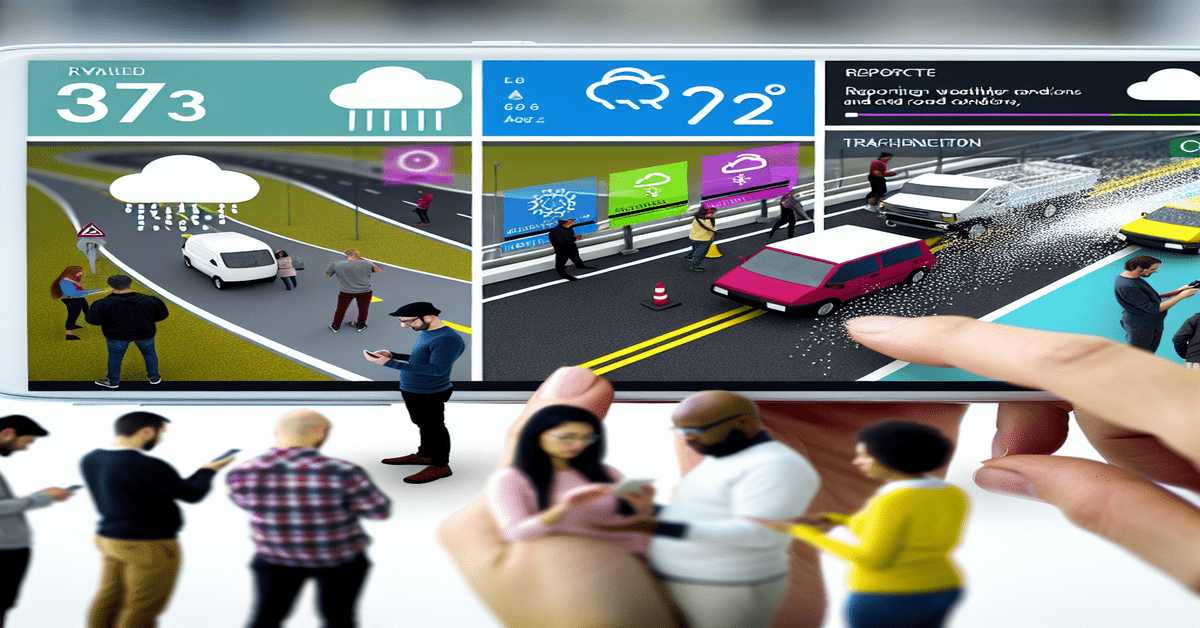
Google Maps Introduces Weather Incident Reporting: Enhancing Safety and Navigation
In a significant update to its platform, Google Maps is rolling out a new feature that allows users to report weather-related incidents, further enhancing the app’s utility for drivers and commuters alike. This addition comes as a welcome development, as it empowers users to contribute real-time information about adverse weather conditions, ultimately promoting safer navigation and more informed decision-making on the roads.
Harnessing the Power of User Contributions
One of the key strengths of Google Maps has always been its ability to leverage user contributions to provide accurate and up-to-date information. Just as users can currently report traffic incidents, accidents, or road closures, the new weather reporting feature will rely on the collective input of the Google Maps community. By enabling users to report weather conditions such as **heavy rain**, **snow**, **fog**, or other hazardous events, the app can paint a more comprehensive picture of the current driving conditions in a given area.
This crowdsourced approach to weather reporting offers several advantages. First and foremost, it allows for a more granular and localized understanding of weather impacts. While traditional weather forecasts provide a general overview of expected conditions, user reports can highlight specific areas where weather is causing significant disruptions or creating dangerous driving situations. This level of detail is invaluable for drivers seeking to make informed decisions about their routes and travel plans.
Enhancing Safety and Informed Decision-Making
The primary goal of introducing weather incident reporting in Google Maps is to enhance safety and empower users to make better-informed decisions. By providing real-time insights into how weather is affecting road conditions, the app can help drivers avoid potentially hazardous situations and plan their journeys accordingly.
Imagine a scenario where a driver is planning to embark on a long-distance trip. Before setting off, they consult Google Maps and notice that users have reported heavy snowfall and icy conditions along their intended route. Armed with this information, the driver can choose to either delay their trip until conditions improve or plan an alternate route that avoids the worst of the weather. This proactive approach to navigation can significantly reduce the risk of accidents and ensure a safer, more stress-free driving experience.
Moreover, the integration of weather incident reporting with existing traffic and road condition features in Google Maps creates a more comprehensive overview of the driving environment. Users can now access a wealth of information, including traffic congestion, road closures, and weather-related hazards, all within a single platform. This holistic approach to navigation enables drivers to make more informed decisions, taking into account a wide range of factors that can impact their journey.
Fostering a Culture of Community Engagement
Beyond its practical benefits, the introduction of weather incident reporting in Google Maps also fosters a sense of community engagement and responsibility among users. By actively contributing weather reports, users become part of a collective effort to improve the safety and experiences of fellow drivers. This participatory aspect encourages a culture of sharing and collaboration, where individuals feel empowered to make a positive impact on their community.
As more users adopt this feature and contribute their observations, the accuracy and comprehensiveness of weather-related information will continue to grow. Over time, Google Maps can become an even more reliable and trusted resource for navigating through challenging weather conditions, benefiting millions of drivers worldwide.
Implications for the Industry
The integration of weather incident reporting in Google Maps has notable implications for various industries and stakeholders. For example, transportation and logistics companies can leverage this feature to optimize their routes and ensure the safety of their drivers and cargo. By staying informed about weather-related disruptions, these companies can make proactive adjustments to their operations, minimizing delays and enhancing overall efficiency.
Similarly, emergency services and first responders can benefit from the real-time weather insights provided by user reports. In situations where severe weather is impacting a specific area, this information can help emergency teams allocate resources more effectively and respond to incidents more quickly. The ability to access localized, up-to-date weather information can be a game-changer in emergency situations, potentially saving lives and minimizing damage.
Looking Ahead: Continuous Improvement and Expansion
As Google Maps continues to evolve and integrate new features like weather incident reporting, it is clear that the platform is committed to providing an increasingly comprehensive and user-centric experience. However, the success of this feature will depend on the active participation and engagement of the Google Maps community.
To encourage adoption and ensure the accuracy of weather reports, Google will need to focus on user education and motivation. This could involve in-app prompts, rewards programs, or community campaigns that highlight the importance of contributing weather-related information. By fostering a sense of ownership and responsibility among users, Google can create a self-sustaining ecosystem where individuals actively participate in enhancing the platform for the benefit of all.
Furthermore, as technology advances, there may be opportunities to integrate additional data sources and sensors to supplement user reports. For example, data from weather stations, satellite imagery, or even connected vehicles could be leveraged to provide an even more comprehensive and reliable picture of weather conditions. The integration of these diverse data points could further enhance the accuracy and granularity of weather incident reporting in Google Maps.
Conclusion
The introduction of weather incident reporting in Google Maps marks a significant step forward in enhancing safety and navigation for drivers worldwide. By harnessing the power of user contributions, Google is creating a more comprehensive and reliable platform that empowers individuals to make informed decisions and stay safe on the roads.
As this feature continues to evolve and gain traction, it has the potential to revolutionize the way we navigate through adverse weather conditions. With the support and engagement of the Google Maps community, weather incident reporting can become an indispensable tool for drivers, fostering a safer and more connected driving experience for all.
#GoogleMaps #WeatherReporting #DriverSafety #CrowdsourcedData #NavigationTech
-> Original article and inspiration provided by Tim Marcin
-> Connect with one of our AI Strategists today at ReviewAgent.ai
