Google Maps Temporarily Renames Gulf of Mexico as “Gulf of America,” Sparking Confusion and Speculation
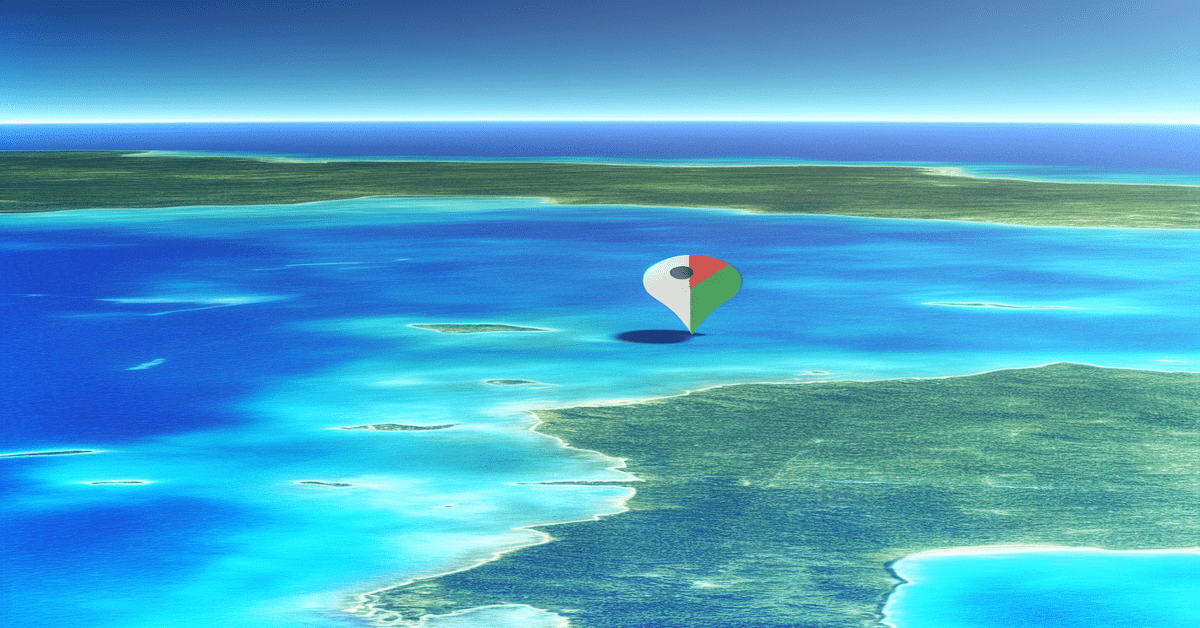
In a bizarre turn of events, users of Google Maps were recently taken aback when they discovered that the Gulf of Mexico had been temporarily relabeled as the “Gulf of America.” The sudden change, which was visible to users for a brief period, caused widespread confusion and speculation, particularly given the political context and past suggestions by former U.S. President Donald Trump to rename the body of water.
The incident quickly gained attention on social media, with users sharing screenshots of the altered map and expressing their bewilderment. Many wondered if the change was a deliberate move by Google or if it had any connection to the previous statements made by Trump. The former president had reportedly proposed renaming the Gulf of Mexico as the “Gulf of America” during his tenure, although the suggestion was met with criticism and did not gain traction.
Google Attributes Labeling Error to Bug or Unvetted User-Submitted Data
However, Google promptly addressed the issue, clarifying that the mislabeling was not an intentional change but rather an error. In a statement, the company explained that the incorrect labeling of the Gulf of Mexico as the “Gulf of America” was the result of either a bug in their system or user-submitted data that had not undergone proper vetting.
Google Maps, like many other mapping services, relies on a combination of user contributions and automated processes to keep its maps up to date. While this approach allows for the incorporation of local knowledge and real-time updates, it also leaves room for potential inaccuracies or errors to slip through the cracks.
The Importance of Accurate and Reliable Data in Mapping Services
The incident serves as a reminder of the crucial role that accurate and reliable data plays in mapping services. In an age where digital maps have become an integral part of our daily lives, from navigation to research and decision-making, the importance of maintaining the integrity of geographic information cannot be overstated.
Inaccuracies in mapping data can have far-reaching consequences, ranging from confusion and misinformation to potential safety hazards. For example, mislabeled roads or landmarks could lead to navigation errors, while incorrect boundary markings could have political or legal implications.
The Rapid Spread of Misinformation in the Digital Age
The temporary renaming of the Gulf of Mexico on Google Maps also highlights the speed at which misinformation can spread in the digital age. With the proliferation of social media and instant communication, a single error or misleading piece of information can quickly gain traction and reach a wide audience before it can be corrected.
This incident underscores the need for responsible reporting and fact-checking, both by individuals and media outlets. It is crucial to verify information from reliable sources before sharing or drawing conclusions, especially when it comes to matters of public interest or political significance.
Google’s Swift Response and Commitment to Accuracy
To its credit, Google acted swiftly to address the issue and provide clarity to its users. The company acknowledged the error and assured the public that the correct name, “Gulf of Mexico,” would be restored promptly.
This response demonstrates Google’s commitment to maintaining the accuracy and reliability of its mapping services. As a leading provider of geographic information, Google recognizes the trust placed in its platform by millions of users worldwide and the responsibility that comes with that trust.
Conclusion
The temporary renaming of the Gulf of Mexico as the “Gulf of America” on Google Maps may have been a brief and unintentional error, but it serves as a valuable reminder of the importance of accurate and reliable data in our increasingly digital world. It also highlights the need for responsible sharing and fact-checking of information, especially in the face of potential misinformation.
As we navigate the complexities of the digital age, it is crucial that we remain vigilant and critical consumers of information. By working together to promote accuracy, transparency, and responsible communication, we can help build a more informed and empowered society.
#GoogleMaps #GulfOfMexico #GulfOfAmerica #Misinformation #DataAccuracy
-> Original article and inspiration provided by Ben Kesslen at Quartz
-> Connect with one of our AI Strategists today at ReviewAgent.ai