
Google Maps’ AI-Powered Features Encourage Greener Transportation Choices
Google Maps, the ubiquitous navigation app, has recently introduced a suite of AI-powered updates aimed at promoting more sustainable transportation choices. These new features are designed to make users more aware of their environmental impact and encourage them to consider greener alternatives to driving.
One of the most significant updates is the global availability of **fuel-efficient routing**. This feature helps drivers choose routes that minimize gas consumption and carbon emissions, making it easier for individuals to make more eco-friendly decisions when traveling by car. By providing users with the most fuel-efficient path to their destination, Google Maps is actively encouraging drivers to reduce their carbon footprint.
AI-Powered Alternatives to Driving
In addition to fuel-efficient routing, Google Maps now offers AI-powered suggestions for alternative modes of transportation in over 60 cities worldwide. When a user searches for directions, the app will display options for walking or taking public transport that take roughly the same amount of time as driving. This feature has recently been launched in several European cities, including Copenhagen, Stockholm, and Warsaw.
By presenting users with viable alternatives to driving that don’t significantly increase travel time, Google Maps is nudging people towards greener transportation choices. This subtle but effective approach encourages individuals to consider the environmental impact of their travel decisions without sacrificing convenience.
Navigating Low-Emission and Low-Traffic Zones
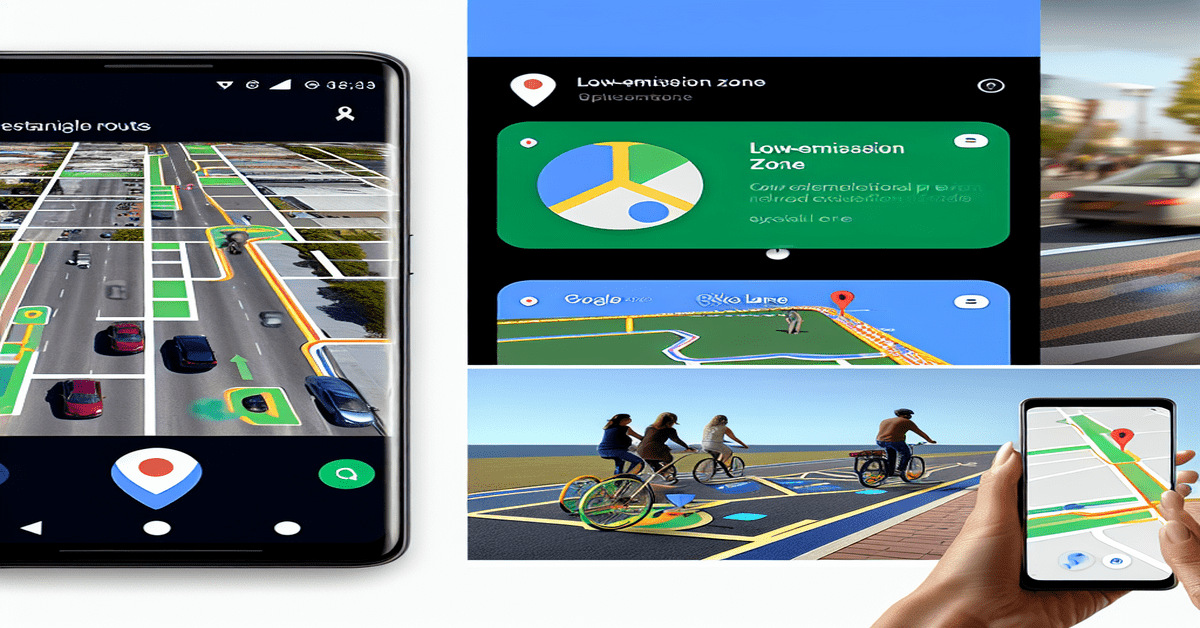
Google Maps has also introduced features to help drivers navigate the growing number of low-emission and low-traffic zones in cities across Europe. When entering these restricted areas, drivers will receive notifications alerting them to the regulations in place. This feature, initially launched in cities like Berlin and London, will soon expand to over 1,000 zones across Europe, including Italy and Sweden.
By providing drivers with real-time information about zone restrictions, Google Maps is not only helping users avoid fines but also encouraging them to consider alternative routes or modes of transportation. This increased visibility of low-emission and low-traffic zones serves as a reminder of the environmental impact of driving and may inspire more people to opt for greener travel options.
Enhanced Cycling Route Information
For those who prefer to travel by bicycle, Google Maps has significantly expanded its cycling route details. Users can now access information about bike lanes, traffic intensity, and elevation changes along their chosen route. This feature is being rolled out in 17 new cities worldwide, including nine European cities such as Hamburg, Madrid, Milan, and Rome, covering an impressive 125,000 km of bike lanes.
By providing cyclists with more comprehensive and accurate information, Google Maps is making it easier and safer for people to choose this eco-friendly mode of transportation. The availability of detailed cycling route data may encourage more individuals to opt for bicycles over cars, particularly for shorter trips within cities.
Immersive View for Better Trip Planning
Google Maps’ new Immersive View feature offers users a multidimensional preview of their chosen route, whether they are driving, walking, or cycling. Available in select cities, this feature provides a stunning, detailed visualization of the route, complete with simulated traffic and weather conditions. By allowing users to explore their journey in advance, Immersive View helps them plan their trips more effectively and make informed decisions about their mode of transportation.
The Impact of Google Maps’ Green Initiatives
The combination of these new features in Google Maps represents a significant push towards more sustainable transportation choices. By making the environmental impact of driving more visible and offering convenient alternatives, the app is effectively “shaming” drivers into reconsidering their travel habits.
The global availability of fuel-efficient routing, the expansion of AI-powered transit suggestions, and the increased visibility of low-emission zones all serve to make drivers more aware of the ecological consequences of their choices. At the same time, the enhanced cycling route information and Immersive View features make greener modes of transportation more appealing and accessible.
As more users become aware of and engage with these features, it is likely that we will see a gradual shift towards more eco-friendly travel behaviors. The subtle nudges provided by Google Maps have the potential to inspire widespread change, as individuals increasingly prioritize sustainability in their transportation decisions.
The Future of Sustainable Transportation
Google Maps’ green initiatives are a testament to the growing importance of sustainability in the transportation sector. As concerns about climate change and urban air quality continue to rise, it is crucial that technology companies, policymakers, and individuals work together to promote more eco-friendly travel options.
The AI-powered features introduced by Google Maps are just the beginning of what is possible when advanced technology is harnessed to encourage sustainable behaviors. As more companies invest in similar initiatives and as public awareness of environmental issues grows, we can expect to see a continued shift towards greener modes of transportation.
However, it is important to recognize that the transition to sustainable transportation will require more than just technological solutions. Governments and local authorities must also invest in infrastructure that supports walking, cycling, and public transport, making these options more convenient and accessible for everyone.
Additionally, employers can play a role in promoting sustainable commuting by offering incentives for employees who choose greener modes of transportation, such as subsidized public transport passes or secure bicycle parking facilities.
Conclusion
Google Maps’ new AI-powered features represent a significant step forward in the promotion of sustainable transportation choices. By making the environmental impact of driving more visible and offering convenient alternatives, the app is effectively nudging users towards greener travel behaviors.
As these features continue to evolve and expand, it is likely that we will see a gradual but meaningful shift towards more eco-friendly modes of transportation. However, achieving a truly sustainable future will require a concerted effort from technology companies, policymakers, and individuals alike.
By working together to prioritize sustainability in our transportation choices, we can create a greener, healthier future for ourselves and for generations to come.
#SustainableTransportation #GreenTravel #EcoFriendly #GoogleMaps #AIPowered
-> Original article and inspiration provided by ReviewAgent.ai
-> Connect with one of our AI Strategists today at ReviewAgent.ai
