Google Maps Rivals Amp Up the Competition with Cutting-Edge Android Auto Features
In the fast-paced world of navigation technology, Google Maps has long been the go-to app for millions of users worldwide. However, as the saying goes, “competition breeds innovation,” and Google Maps rivals are stepping up their game with major updates and new Android Auto features that are sure to catch the attention of even the most loyal Google Maps users.
Samsung Auto: The New Kid on the Block
One of the most exciting developments in the navigation app space is the launch of Samsung Auto, a new Android Auto rival that is currently exclusive to China. While Samsung Auto may be new to the scene, it’s already making waves with its sleek user interface that bears a striking resemblance to both Google’s Android Auto and Apple’s CarPlay.
But Samsung Auto isn’t just a pretty face. It comes packed with features that are designed to make your driving experience smoother and more enjoyable. One of the standout features of Samsung Auto is its quick navigation transfer, which allows users to **seamlessly** shift their navigation from their Samsung phone to their car’s display or vice versa. This feature is reminiscent of Google Maps’ phone-to-car navigation sharing, but Samsung Auto takes it to the next level with its smooth and intuitive interface.
Waze: Enhancing Driver Safety with Heads-Up Display Support
But Samsung Auto isn’t the only navigation app that’s making moves in the Android Auto space. Waze, which is owned by Google and is a direct competitor to Google Maps, has also released a major update that adds support for heads-up displays behind steering wheels in compatible cars.
This update is a game-changer for driver safety, as it allows drivers to keep their eyes on the road while still receiving navigation cues. Instead of having to glance down at the infotainment panel, drivers can now see navigation cues directly in their line of sight, thanks to the heads-up display.
While this update is currently limited to select vehicles that support Android Auto or Apple CarPlay, it’s a promising development that could pave the way for wider adoption of heads-up displays in the future.
Android Auto: Constantly Evolving to Meet User Needs
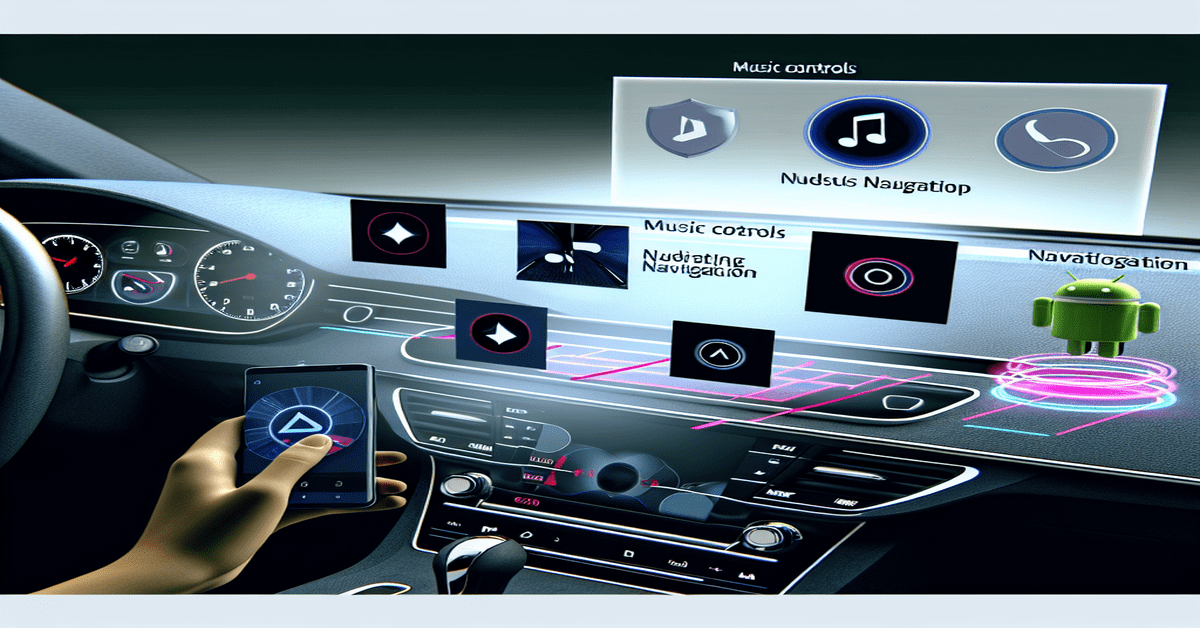
Of course, Google isn’t sitting idly by while its rivals innovate. The company has been hard at work refining Android Auto’s interface and functionality, with recent updates adding optimized home screen layouts, Google Assistant shortcuts, and design tweaks to make navigation more user-friendly.
One of the most notable changes to Android Auto’s interface is the shift of the navigation arrow to the center of the screen when no destination is set. While some users may find this change frustrating on smaller screens, it’s a testament to Google’s commitment to constantly improving the user experience.
The Future of Car Navigation: Seamless Integration and Enhanced Safety
As the competition heats up in the navigation app space, one thing is clear: the future of car navigation lies in **seamless integration** and **enhanced safety**. With the rise of Android Auto and the emergence of new rivals like Samsung Auto, drivers can look forward to a more intuitive and safer driving experience.
But the benefits of these advancements go beyond just convenience. By reducing the need for drivers to take their eyes off the road to glance at their navigation app, these new features could potentially save lives and reduce the number of accidents caused by distracted driving.
The Bottom Line
In the end, the real winners of this increased competition in the navigation app space are the users. With each new update and feature, drivers can look forward to a more seamless and enjoyable driving experience, whether they’re using Google Maps, Samsung Auto, Waze, or any other navigation app.
So the next time you’re in the market for a new navigation app, don’t be afraid to explore your options. With so many exciting developments happening in the Android Auto space, you might just find your new favorite navigation app.
And if you’re an Android Auto user, keep an eye out for new updates and features that could make your driving experience even better. Who knows? You might just discover a new feature that you can’t live without.
#AndroidAuto #NavigationApps #DriverSafety #SamsungAuto #Waze
Ready to take your Android Auto experience to the next level? Download the latest version of Android Auto and start exploring all the exciting new features and updates for yourself!
-> Original article and inspiration provided by ReviewAgent.ai Bogdan Popa
-> Connect with one of our AI Strategists today at ReviewAgent.ai
