
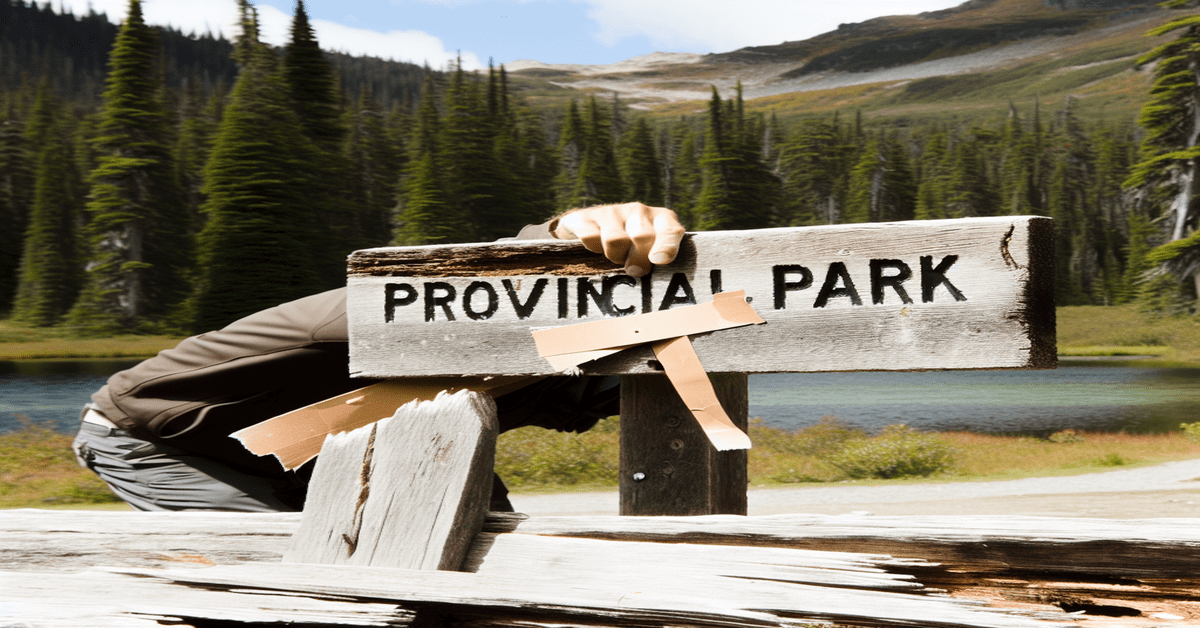
Google Maps Controversy: Canadian Provincial Parks Mislabeled as “State Parks”
In a recent incident that has sparked outrage among Canadians, Google Maps was found to have incorrectly labeled several Canadian provincial parks as “state parks.” The controversy has gained significant attention on social media, with users expressing their confusion and anger over the mislabeling. The issue has been particularly sensitive given the current political climate and heightened tensions between Canada and the United States.
The mislabeling was first noticed by eagle-eyed users who took to social media platforms to voice their concerns. Many Canadians were quick to point out that Canada does not have “state parks,” as the country is divided into provinces and territories rather than states. The incorrect labels were found to be affecting provincial parks in various regions, including British Columbia and other parts of the country[1][2].
Google’s Response to the Mislabeling Controversy
In response to the growing backlash, Google issued a statement clarifying that the company had not made any recent changes to the labeling of parks in Canada. Instead, the tech giant explained that the term “state park” had been used as a generic designation for several years. However, Google acknowledged the confusion and anger caused by the mislabeling and assured users that they were actively working on updating the labels to accurately reflect the correct designations[1][4].
The controversy has shed light on the importance of accurate geographical labeling, especially in the context of digital platforms like Google Maps. With millions of users relying on these services for navigation and information, it is crucial that the data provided is precise and up-to-date. The mislabeling of Canadian provincial parks as “state parks” may seem like a minor issue to some, but it has significant implications for national identity and sovereignty.
Political Context and Heightened Sensitivities
The timing of the Google Maps controversy has been particularly unfortunate, as it coincides with a period of increased political tensions between Canada and the United States. Recent comments made by U.S. President Donald Trump, suggesting that Canada should become the 51st state, have further heightened sensitivities around Canadian sovereignty and independence[2][5].
In this politically charged environment, the mislabeling of Canadian provincial parks has taken on a deeper significance. Many Canadians view the incident as a symptom of a larger problem, where their national identity is being undermined or misrepresented. The outrage expressed on social media reflects a strong sense of pride and protectiveness over Canada’s unique geography and political structure.
Steps Towards a Resolution
Google has been quick to address the concerns raised by Canadian users and has stated that they are actively working on updating the labels to reflect the correct “provincial park” designation. However, the company has also noted that this specific category is not currently available for user edits on their platforms, which may have contributed to the persistence of the mislabeling[4][5].
As Google works to resolve the issue, it is important for the company to prioritize accuracy and sensitivity in their geographical labeling. The incident serves as a reminder that even seemingly small details can have significant implications when it comes to national identity and political relations.
The Importance of Accurate Geographical Labeling
The Google Maps controversy highlights the crucial role that accurate geographical labeling plays in our increasingly digital world. With platforms like Google Maps serving as primary sources of information for millions of users worldwide, it is essential that the data provided is reliable and up-to-date.
Mislabeling geographical features, whether intentionally or unintentionally, can have far-reaching consequences. It can lead to confusion, misinformation, and even political tensions, as demonstrated by the recent incident involving Canadian provincial parks.
As we navigate an increasingly complex and interconnected global landscape, it is more important than ever to prioritize accuracy and sensitivity in how we represent and label geographical entities. Technology companies, in particular, have a responsibility to ensure that their platforms are providing users with reliable and culturally appropriate information.
The Google Maps controversy serves as a wake-up call for both tech companies and users alike. It reminds us of the power and influence that digital platforms hold in shaping our understanding of the world around us. As we move forward, it is crucial that we remain vigilant in ensuring that the information we consume and share is accurate, respectful, and reflective of the diverse geographies and cultures that make up our global community.
#GoogleMaps #CanadianParks #GeographicalLabeling #AccuracyMatters
Take action now and share your thoughts on this controversial Google Maps mislabeling. Join the conversation and let your voice be heard on this important issue affecting Canadian identity and sovereignty. Together, we can advocate for accurate and culturally sensitive geographical representation in the digital age.
-> Original article and inspiration provided by ReviewAgent.aiSaqib Shah
-> Connect with one of our AI Strategists today at ReviewAgent.ai