
Mexico Takes Legal Action Against Google Over Renaming of Gulf
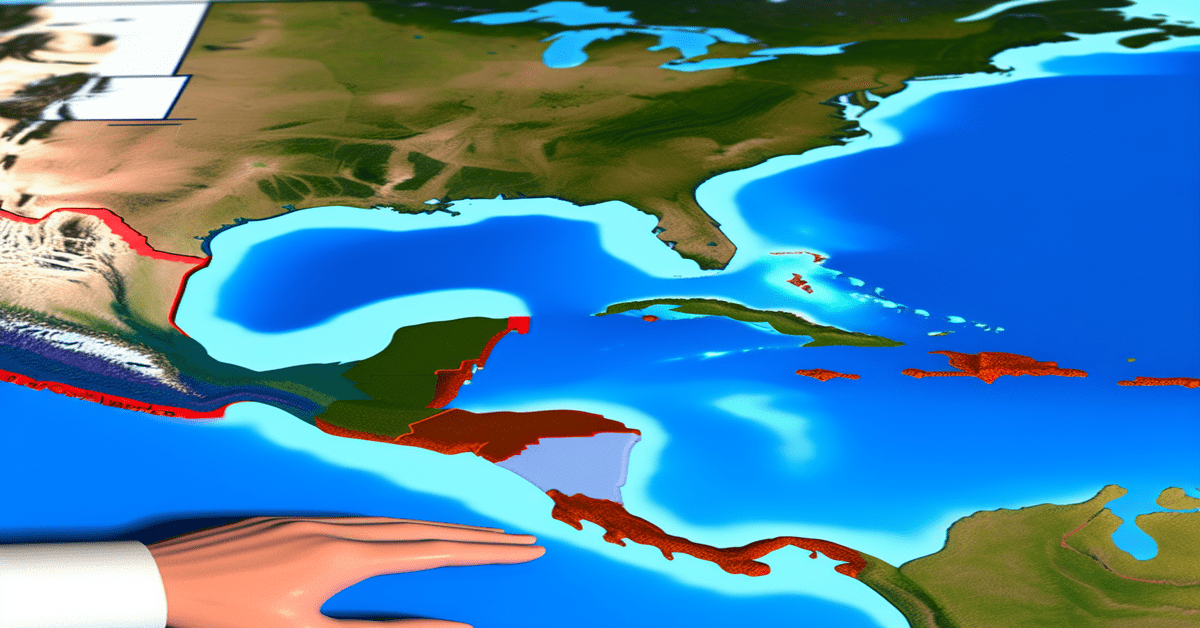
In a bold move that has sent shockwaves through the tech industry, the Mexican government has filed a lawsuit against tech giant Google. The legal action comes in response to Google’s decision to change the label of the Gulf of Mexico to the Gulf of America on its mapping platform for U.S. users. The controversial move follows an executive order signed by former U.S. President Donald Trump in January 2025, which renamed the northern section of the gulf as the Gulf of America.
Mexican President Claudia Sheinbaum announced the lawsuit but refrained from disclosing specific details. The Mexican government argues that the name change imposed by Trump should be limited to the part of the gulf over the U.S. continental shelf and only applies within U.S. jurisdiction. Mexico contends that Google’s renaming improperly alters the name of waters under Mexican sovereignty, as Mexico controls nearly 49% of the gulf.
Google’s Stance on the Renaming Controversy
Google, represented by Cris Turner, Vice President of Government Affairs and Public Policy, has stated that it will maintain its current policy of displaying the gulf as Gulf of America within the United States, Gulf of Mexico within Mexico, and Gulf of Mexico (Gulf of America) elsewhere. The company cites longstanding map policies that are applied impartially across all regions.
The tech giant’s decision to adhere to the U.S. executive order has drawn criticism from various quarters, with many questioning the implications of allowing a single country to unilaterally rename a shared body of water. The Gulf of Mexico is shared by the United States, Mexico, and Cuba, with each country controlling different portions of the gulf.
Mexico’s Challenge to Google’s Acceptance of Unilateral Renaming
Mexico’s lawsuit challenges Google’s acceptance of the U.S. unilateral renaming, emphasizing that the change should not affect the international recognition or Mexican territorial waters. The country’s Foreign Relations Ministry had previously sent letters to Google requesting that it not change the name to Gulf of America on Mexican territory, but their pleas seem to have fallen on deaf ears.
The legal battle between Mexico and Google is set to have far-reaching implications for the tech industry and the broader geopolitical landscape. It raises important questions about the power of tech companies to shape public perception and the extent to which they should be held accountable for adhering to unilateral decisions made by individual countries.
The Role of Tech Companies in Geopolitical Disputes
The renaming controversy highlights the increasingly prominent role that tech companies play in geopolitical disputes. As digital platforms become the primary source of information for millions of people worldwide, the decisions made by these companies can have a significant impact on public opinion and international relations.
In recent years, there have been growing calls for tech companies to take a more active role in combating misinformation and ensuring the accuracy of the information they disseminate. However, the gulf renaming incident shows that even seemingly innocuous decisions, such as changing the label of a body of water on a map, can have far-reaching consequences.
The Need for International Cooperation and Dialogue
The dispute between Mexico and Google underscores the need for greater international cooperation and dialogue when it comes to issues that transcend national boundaries. In an increasingly interconnected world, unilateral decisions by individual countries can have ripple effects that extend far beyond their borders.
To address these challenges, it is essential that countries work together to establish common standards and guidelines for how shared resources, such as bodies of water, are labeled and represented in digital platforms. This requires a willingness to engage in open and honest dialogue, even when there are disagreements or conflicting interests at play.
The Future of Digital Cartography
The gulf renaming controversy also raises important questions about the future of digital cartography and the role that tech companies will play in shaping our understanding of the world around us. As more and more people rely on digital maps and other online resources to navigate and make sense of their surroundings, the decisions made by these companies will have an increasingly significant impact on our collective understanding of geography and geopolitics.
Moving forward, it will be crucial for tech companies to work closely with governments, international organizations, and other stakeholders to ensure that the information they provide is accurate, unbiased, and respectful of the sovereignty and territorial integrity of all nations. This will require a commitment to transparency, accountability, and ongoing dialogue, as well as a willingness to adapt and evolve in response to changing circumstances and new challenges.
Conclusion
The legal battle between Mexico and Google over the renaming of the Gulf of Mexico is a stark reminder of the complex geopolitical challenges that we face in an increasingly digital world. As tech companies continue to play an ever-more prominent role in shaping public perception and international relations, it is essential that we work together to establish common standards and guidelines that respect the sovereignty and territorial integrity of all nations.
Only by engaging in open and honest dialogue, and by committing to transparency and accountability, can we hope to navigate the challenges of the digital age and build a more just and equitable world for all.
#GulfOfMexico #GoogleLawsuit #DigitalCartography #GeopoliticalDisputes #InternationalCooperation
-> Original article and inspiration provided by Presstv
-> Connect with one of our AI Strategists today at ReviewAgent.ai