
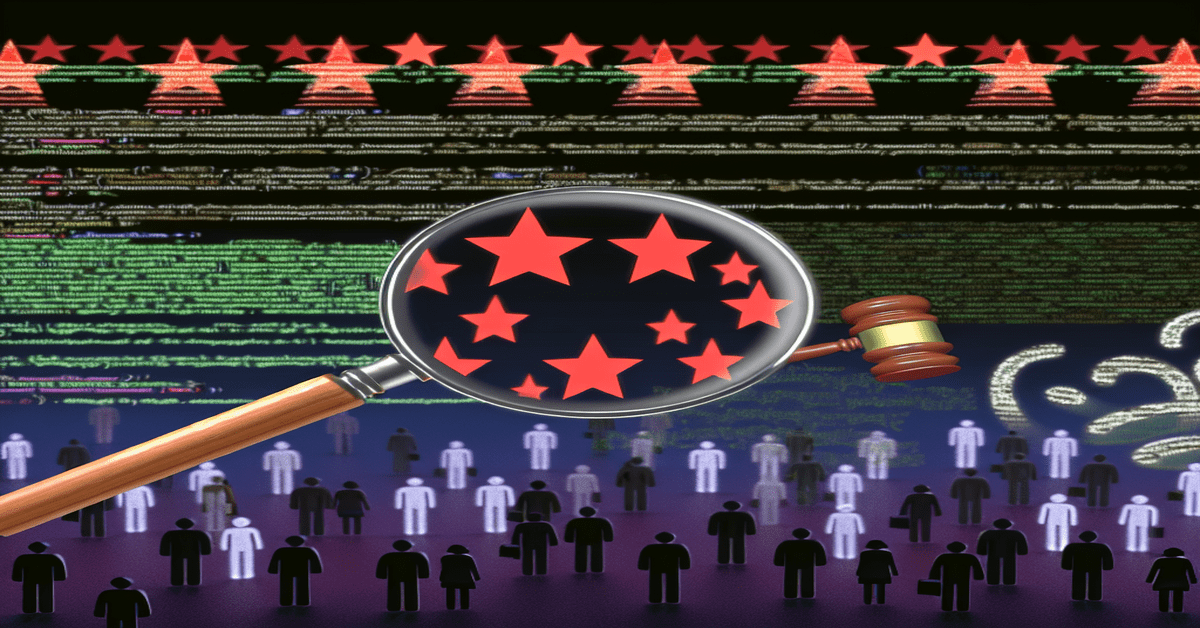
The Battle Against Fake Reviews: Google and FTC’s Efforts to Restore Trust
In the digital age, online reviews have become an integral part of the consumer decision-making process. Before making a purchase or choosing a service, many of us turn to the opinions and experiences shared by others on various platforms. However, the rise of fake reviews has cast a shadow over the reliability of this valuable resource. In this blog post, we’ll delve into the challenges posed by fake reviews and the efforts being made by Google and the Federal Trade Commission (FTC) to combat this growing problem.
The Prevalence and Impact of Fake Reviews
Fake reviews have become a pervasive issue, eroding consumer trust and making it harder to make informed decisions. These misleading evaluations can be generated by businesses themselves, aiming to boost their online reputation, or by third-party services that specialize in creating fraudulent reviews. The consequences are far-reaching, as consumers may be swayed by artificially inflated ratings and end up with subpar products or services.
Google’s Algorithmic Approach
As a major player in the online review ecosystem, Google has been actively working to combat fake reviews. The tech giant employs sophisticated algorithms powered by **machine learning** to detect and remove suspicious reviews. These algorithms analyze various patterns and red flags, such as a sudden influx of positive reviews from newly created accounts or reviews that contain similar language and phrasing.
While Google’s efforts have made significant strides in identifying and eliminating fake reviews, the ever-evolving tactics of scammers present an ongoing challenge. As Google refines its detection methods, fraudsters find new ways to evade the system, creating a constant cat-and-mouse game.
FTC’s Regulatory Enforcement
The Federal Trade Commission, a consumer protection agency, has also been at the forefront of the battle against fake reviews. The FTC has issued clear guidelines and taken legal action against companies that engage in deceptive practices, including the manipulation of online reviews.
In recent years, the FTC has cracked down on businesses that buy or incentivize fake reviews, as well as those that suppress negative reviews. By enforcing laws against deceptive practices, the agency aims to create a more transparent and trustworthy online marketplace.
Challenges in Combating Fake Reviews
Despite the efforts of Google, the FTC, and other stakeholders, fighting fake reviews remains a complex and ongoing challenge. One of the primary hurdles is the **sheer scale** of the problem. With millions of reviews being posted across various platforms every day, it’s virtually impossible for any single entity to monitor and verify the authenticity of each one.
Moreover, the **anonymity** provided by the internet makes it difficult to trace the source of fake reviews. Scammers can create multiple accounts, use virtual private networks (VPNs), and employ other tactics to conceal their identities, making it harder to hold them accountable.
The Need for Collaboration and Consumer Awareness
To effectively combat fake reviews, a collaborative approach is crucial. Tech companies, regulatory bodies, and consumers themselves must work together to create a more trustworthy online environment. This can involve implementing better reporting mechanisms for suspicious reviews, developing more transparent policies, and fostering open communication between stakeholders.
Consumer awareness also plays a vital role in mitigating the impact of fake reviews. By educating ourselves on how to spot red flags, such as overly positive language, repetitive phrases, or an unusual number of reviews posted in a short period, we can become more discerning readers and make better-informed decisions.
Technological Advancements and Future Prospects
As the battle against fake reviews continues, technological advancements offer promising solutions. Artificial intelligence (AI) and **machine learning** algorithms are being developed to detect more subtle patterns and nuances in fake reviews, improving the accuracy of detection systems.
Additionally, the potential of blockchain technology is being explored to create immutable and transparent review systems. By leveraging the decentralized nature of blockchain, it may become possible to verify the authenticity of reviews and ensure that they cannot be tampered with or deleted.
Conclusion
The proliferation of fake reviews poses a significant threat to consumer trust and the integrity of online marketplaces. While Google and the FTC are at the forefront of combating this issue, the dynamic nature of online fraud makes it a complex and ongoing battle.
To effectively mitigate the impact of fake reviews, a multi-faceted approach is necessary. This involves continued technological innovation, robust regulatory enforcement, consumer education, and collaboration among stakeholders. By working together and staying vigilant, we can strive towards a more authentic and trustworthy online review ecosystem.
As consumers, we have the power to contribute to this effort by being discerning readers, reporting suspicious reviews, and supporting platforms that prioritize authenticity. Together, we can help restore trust in online reviews and make more informed decisions in our digital lives.
#FakeReviews #ConsumerTrust #OnlineReviews #GoogleReviews #FTC
-> Original article and inspiration provided by ReviewAgent.ai
-> Connect with one of our AI Strategists today at ReviewAgent.ai