
Unveiling the Reality of Gaza: Google Earth’s Updated Satellite Imagery
In a world where information is just a click away, the power of technology to shed light on global issues has never been more apparent. Recently, Google Earth has taken a significant step in this direction by updating its satellite imagery of the Gaza Strip, providing a stark and eye-opening glimpse into the reality of life in this conflict-torn region.
A Fractured Landscape
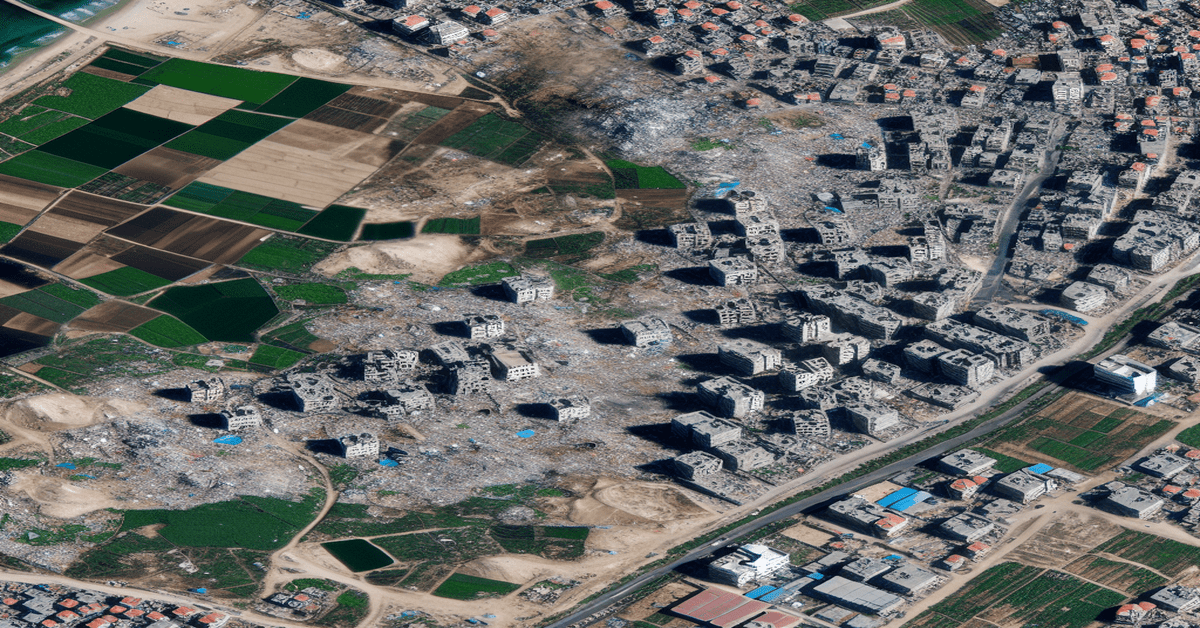
The updated imagery from Google Earth paints a sobering picture of the extensive damage and destruction that has plagued Gaza. The high-resolution visuals reveal a landscape marred by rubble, destroyed buildings, and shattered infrastructure. The once-thriving urban areas now resemble a patchwork of devastation, serving as a testament to the ongoing conflicts that have ravaged the region.
As you navigate through the satellite images, the scale of the destruction becomes increasingly apparent. Entire city blocks have been reduced to ruins, with piles of debris and twisted metal scattered across the landscape. The images provide an unfiltered view of the **aftermath** of military operations and the toll they have taken on the civilian population.
A Humanitarian Crisis
Beyond the physical destruction, the updated imagery also highlights the severe humanitarian crisis that has gripped Gaza. The visuals depict a densely populated urban landscape, with limited green spaces and infrastructure challenges. Overcrowding is evident in the tightly packed buildings and narrow streets, underscoring the lack of adequate living space for the growing population.
The satellite images serve as a reminder of the **dire conditions** faced by the residents of Gaza. The lack of basic resources, such as clean water, electricity, and medical supplies, is a constant struggle for the people living in this region. The visuals provide a glimpse into the daily challenges and hardships endured by the population, shedding light on the urgent need for humanitarian assistance and support.
Political Context and Implications
The updated Google Earth imagery of Gaza cannot be viewed in isolation from the broader political context of the region. Gaza has long been a focal point of the Israeli-Palestinian conflict, with ongoing disputes over territory, borders, and sovereignty. The satellite images serve as a visual representation of the **complex geopolitical dynamics** at play, showcasing the physical manifestation of the ongoing tensions and conflicts.
The availability of these updated images has significant implications for global awareness and understanding of the situation in Gaza. By providing a detailed and accessible view of the region, Google Earth is empowering people around the world to witness the realities on the ground. The images serve as a powerful tool for journalists, researchers, and activists seeking to shed light on the ongoing crisis and advocate for change.
Moreover, the updated imagery can play a crucial role in **policy discussions** and diplomatic efforts. The visual evidence of the destruction and humanitarian challenges in Gaza can inform decision-making processes and highlight the urgent need for international intervention and support. The images have the potential to shape public opinion, generate empathy, and mobilize global efforts towards finding a peaceful resolution to the conflict.
A Call for Action
As we explore the updated satellite imagery of Gaza on Google Earth, it is impossible to remain indifferent to the stark realities revealed. The visuals serve as a powerful reminder of the human suffering and the urgent need for action. It is a call to the international community to prioritize efforts towards achieving lasting peace, providing humanitarian aid, and supporting the rebuilding of Gaza.
The updated imagery also highlights the importance of **responsible journalism** and the role of technology in shedding light on global issues. By leveraging the power of satellite imagery and digital platforms, we can bring attention to the plight of those affected by conflicts and advocate for positive change.
As individuals, we too have a role to play. By sharing these images, engaging in informed discussions, and supporting organizations working towards peace and humanitarian aid, we can contribute to raising awareness and mobilizing efforts to address the challenges faced by the people of Gaza.
Conclusion
The updated satellite imagery of Gaza on Google Earth offers a compelling and sobering glimpse into the reality of life in this conflict-torn region. The visuals serve as a powerful reminder of the devastating impact of ongoing conflicts and the urgent need for humanitarian support. By bringing attention to the situation in Gaza, the updated imagery has the potential to shape global perspectives, inform policy discussions, and mobilize efforts towards finding a peaceful resolution.
As we navigate through these images, let us not forget the human stories and the resilience of the people of Gaza. Let us use this technology as a tool for empathy, understanding, and action. Together, we can work towards a future where the satellite imagery of Gaza tells a different story—one of peace, rebuilding, and hope.
#Gaza #SatelliteImagery #HumanitarianCrisis #PeaceEfforts
-> Original article and inspiration provided by Mashable
-> Connect with one of our AI Strategists today at ReviewAgent.ai
