
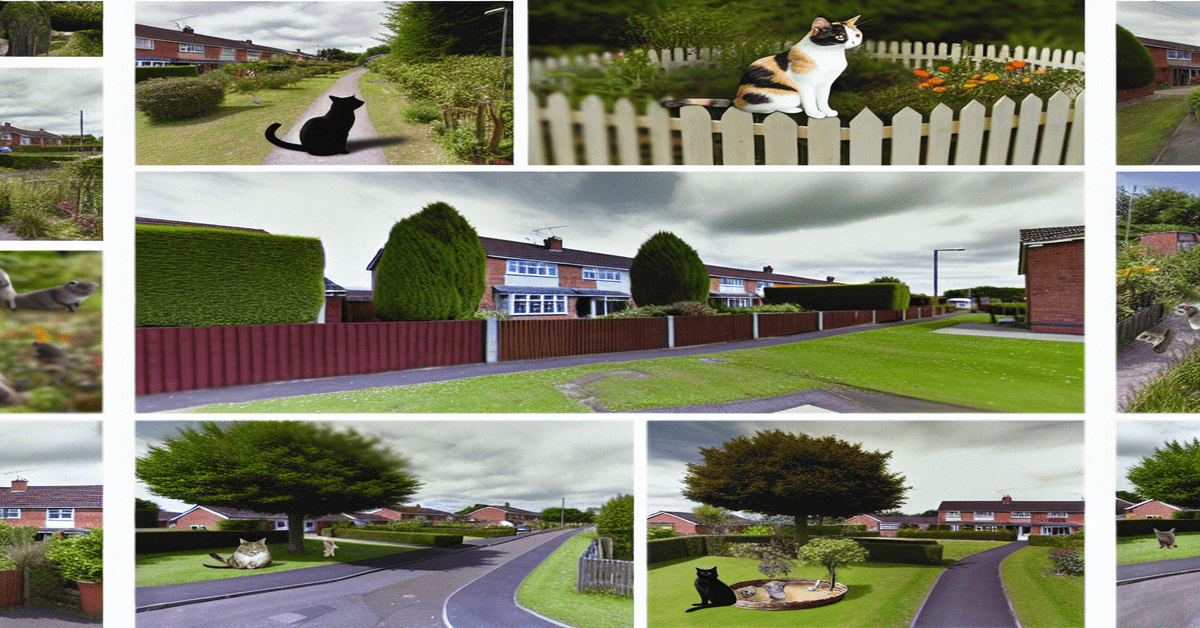
The Feline Phenomenon: How Cats are Taking Over Google Maps
Have you ever been exploring your neighborhood on Google Maps and stumbled upon an unexpected furry friend? If so, you’re not alone. In recent months, images of “friendly neighbourhood cats” have been popping up on Google Maps, thanks to the contributions of users who are embracing this whimsical trend.
The Power of User Contributions
Google Maps has long relied on user contributions to enhance its platform. From reviews and ratings to photos and location updates, the input from the community helps to create a more comprehensive and engaging experience for everyone. The recent appearance of cats on the map is a testament to the power of this crowdsourcing approach.
Users are taking advantage of Google Maps’ feature that allows them to add photos and reviews to locations. By sharing images of local cats, often accompanied by playful captions or descriptions, they are injecting a dose of humor and personality into the otherwise functional world of digital mapping.
A Reflection of Community Spirit
The trend of adding cats to Google Maps is more than just a silly pastime; it reflects a deeper sense of community engagement and connection. In a world where technology can often be seen as isolating, this phenomenon showcases how digital platforms can bring people together through shared experiences and a common love for our feline friends.
The act of spotting and sharing photos of neighborhood cats becomes a way for people to bond over their local surroundings. It creates a sense of belonging and pride in one’s community, as users showcase the unique and charming aspects of their area.
Algorithmic Approval and Quality Control
While the appearance of cats on Google Maps is undoubtedly amusing, it does raise questions about the **accuracy** and **relevance** of user-generated content. Google’s algorithms are designed to approve contributions that meet certain criteria, such as being relevant to the location and meeting quality standards.
However, the popularity and community support behind the cat photos may be causing some of them to slip through the cracks. This highlights the challenge of balancing user engagement with maintaining the integrity of the platform’s data.
The Future of Digital Mapping
The cat phenomenon on Google Maps is just one example of how user contributions are shaping the future of digital mapping. As more people embrace the opportunity to share their local knowledge and experiences, we can expect to see an increasing blend of practical information and personal touches on platforms like Google Maps.
This trend also raises important questions about the role of technology in our lives. While the primary purpose of digital mapping tools is to provide accurate and reliable information, there is also value in allowing for moments of levity and community connection.
As we navigate this evolving landscape, it will be crucial for companies like Google to find the right balance between encouraging user engagement and maintaining the integrity of their platforms. By doing so, they can create digital spaces that are not only informative but also **inclusive**, **engaging**, and reflective of the diverse communities they serve.
Embracing the Whimsy
So, the next time you’re exploring your neighborhood on Google Maps and come across a friendly feline face, take a moment to appreciate the whimsy and community spirit behind it. These unexpected encounters serve as a reminder that technology can be a powerful tool for bringing people together and celebrating the little joys in life.
Whether you’re a cat lover or simply someone who appreciates a good dose of humor, the trend of “friendly neighbourhood cats” on Google Maps is sure to bring a smile to your face. So go ahead, contribute a photo of your own local furry friend, and join in on the fun!
#GoogleMaps #CatsOfGoogleMaps #CommunityEngagement #DigitalMapping #UserContributions
-> Original article and inspiration provided by ReviewAgent.ai
-> Connect with one of our AI Strategists today at ReviewAgent.ai
