
Tesla’s Cybertruck Conundrum: Owner Stuck with Unwanted Vehicle Due to Contractual Restrictions
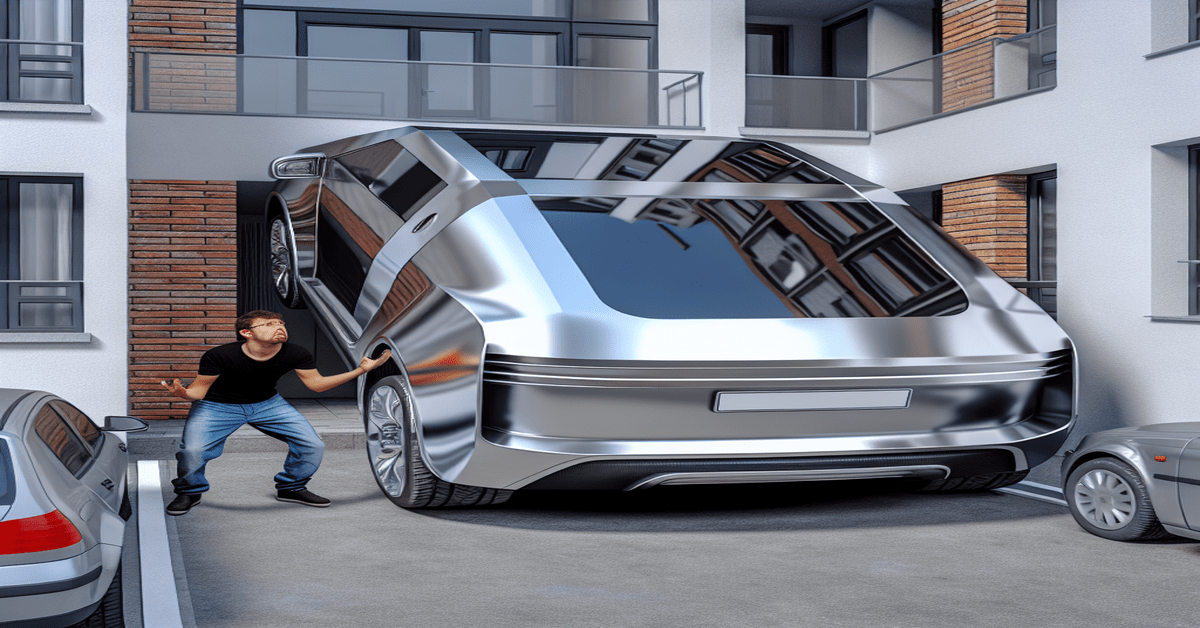
In a surprising turn of events, Tesla Cybertruck owner Blaine Raddon finds himself in a predicament that highlights the challenges of owning the highly anticipated electric pickup truck. After purchasing the Cybertruck, Raddon discovered that the vehicle’s size made it difficult to park and maneuver in his new apartment’s parking stall, rendering it an impractical choice for his living situation.
Raddon’s attempts to find a resolution with Tesla have been met with resistance. Despite proposing solutions such as reversing the transaction or exchanging the Cybertruck for a more compact sedan, Tesla has refused to buy back the vehicle or allow its resale. The company’s stance is based on the one-year resale restriction and a no reseller policy specific to the Cybertruck.
This situation raises important questions about the implications of purchasing a vehicle with such stringent contractual obligations. As the Cybertruck’s unique design and dimensions may not be suitable for all living spaces, potential buyers must carefully consider their parking and storage options before committing to the purchase.
Moreover, Tesla’s unwillingness to accommodate Raddon’s request highlights the need for clearer communication and flexibility when it comes to customer support. While the company’s policies are designed to protect its interests, it is crucial to consider the unique circumstances of individual customers and work towards mutually beneficial solutions.
As the electric vehicle industry continues to evolve, manufacturers like Tesla must strike a balance between innovation and practicality. The Cybertruck’s unconventional design may appeal to a niche market, but it is essential to ensure that the vehicle can be easily integrated into various living situations and parking environments.
Raddon’s experience serves as a cautionary tale for potential Cybertruck buyers and underscores the importance of thoroughly researching and understanding the terms and conditions associated with purchasing such a unique vehicle. It also presents an opportunity for Tesla to reevaluate its policies and consider more flexible options for customers facing similar challenges.
As the story unfolds, it will be interesting to see how Tesla responds to the growing concerns surrounding the Cybertruck’s practicality and the company’s customer support policies. Will they find a way to accommodate Raddon’s request, or will this incident set a precedent for future Cybertruck owners facing similar predicaments?
Share your thoughts and experiences in the comments below. Have you encountered similar challenges with unconventional vehicle purchases? What do you think Tesla should do to address this issue and support its customers better?
#TeslaCybertruck #ElectricVehicles #ConsumerRights
-> Original article and inspiration provided by Business Insider
-> Connect with one of our AI Strategists today at Opahl Technologies
