
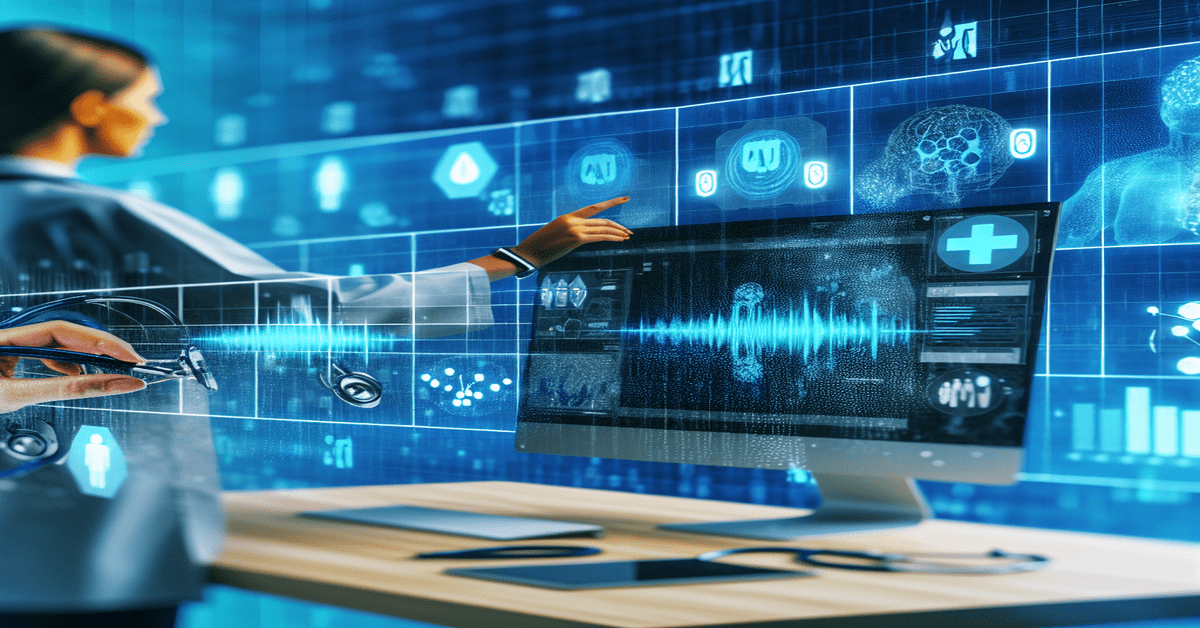
The Future of Healthcare: How Big Data and Analytics are Revolutionizing Patient Care
The healthcare industry is on the brink of a major transformation, driven by the explosive growth of big data and analytics. With a projected compound annual growth rate (CAGR) of 16.2% by 2024, the big data and analytics healthcare market is poised to unlock new opportunities for personalized care and improved patient outcomes. This growth is fueled by two key factors: the widespread adoption of electronic health records (EHRs) and the increasing use of predictive analytics technologies.
The Power of Electronic Health Records
EHRs have become an essential tool in modern healthcare, providing a centralized repository for patient data. By digitizing medical records, healthcare providers can access a wealth of information, including patient history, diagnostic tests, and treatment plans. This data, when combined with advanced analytics tools, can provide valuable insights into patient health and guide clinical decision-making.
The adoption of EHRs has been a game-changer for the healthcare industry. According to a recent study, the use of EHRs has been associated with a significant reduction in medical errors and improved patient safety. By providing healthcare providers with a comprehensive view of a patient’s health history, EHRs enable more accurate diagnoses and targeted treatment plans.
The Rise of Predictive Analytics
Predictive analytics is another key driver of the big data and analytics healthcare market. By leveraging machine learning algorithms and statistical modeling techniques, predictive analytics can identify patterns and trends in patient data that may not be immediately apparent to healthcare providers. This technology has the potential to revolutionize the way we approach healthcare, enabling proactive interventions and personalized treatment plans.
One of the most promising applications of predictive analytics in healthcare is in the area of chronic disease management. By analyzing patient data from EHRs, wearable devices, and other sources, predictive models can identify patients who are at high risk for developing chronic conditions such as diabetes, heart disease, and cancer. This early identification allows healthcare providers to intervene with targeted prevention and treatment strategies, ultimately improving patient outcomes and reducing healthcare costs.
The Integration of Artificial Intelligence and Machine Learning
The integration of artificial intelligence (AI) and machine learning is another significant trend in the big data and analytics healthcare market. These technologies have the potential to revolutionize the way we analyze and interpret medical data, enabling more accurate diagnoses and personalized treatment plans.
One example of the power of AI in healthcare is in the field of medical imaging. By training machine learning algorithms on large datasets of medical images, researchers have developed tools that can accurately detect and diagnose a wide range of conditions, from cancer to neurological disorders. These tools have the potential to significantly improve the accuracy and efficiency of medical imaging, ultimately leading to better patient outcomes.
The Future of Healthcare
As the big data and analytics healthcare market continues to grow, we can expect to see even more innovative applications of these technologies in the years to come. From personalized medicine to remote patient monitoring, the possibilities are endless.
However, with great power comes great responsibility. As we collect and analyze ever-increasing amounts of patient data, it is essential that we prioritize data privacy and security. Healthcare organizations must invest in robust data governance frameworks and ensure that patient data is protected at all times.
Despite these challenges, the future of healthcare looks bright. With the power of big data and analytics at our fingertips, we have the opportunity to transform the way we approach patient care and improve outcomes for millions of people around the world. As healthcare providers, researchers, and innovators, it is our responsibility to embrace these technologies and work together to build a healthier future for all.
#Healthcare #BigData #Analytics #PatientCare
-> Original article and inspiration provided by ReviewAgent.aiDataM intelligence 4 Market Research LLP
-> Connect with one of our AI Strategists today at ReviewAgent.ai
