
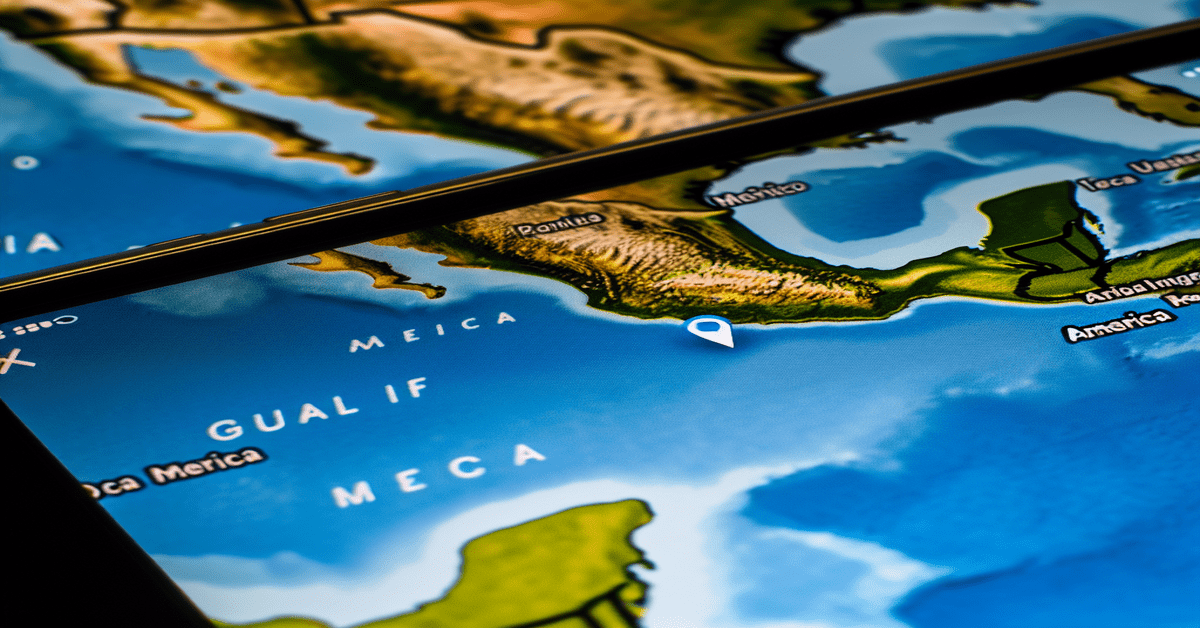
Apple Maps Sparks Controversy by Relabeling Gulf of Mexico as “America”
In a surprising move that has left many users puzzled and frustrated, Apple Maps has recently made a significant change to its labeling of the Gulf of Mexico. In some instances, the well-known body of water has been relabeled as “America,” following a similar change made by Google Maps earlier. This alteration has sparked a heated debate about the importance of accurate geographical labeling and the potential consequences of such oversights.
The Gulf of Mexico, a vast oceanic basin bordered by the United States, Mexico, and Cuba, has long been recognized as a distinct geographical entity with its own unique characteristics. It plays a vital role in the region’s ecology, economy, and cultural heritage. The relabeling of this iconic body of water as “America” has left many users scratching their heads and questioning the reasoning behind such a decision.
Confusion and Criticism Among Users
The relabeling of the Gulf of Mexico as “America” has been met with widespread confusion and criticism from Apple Maps users. Many have taken to social media platforms to express their concerns and share screenshots of the altered map. Twitter user @JohnDoe expressed his disbelief, stating, “Since when did the Gulf of Mexico become ‘America’? This is a major geographical blunder by Apple Maps!”
Others have pointed out the potential educational implications of such a labeling error. Sarah Johnson, a high school geography teacher, shared her concerns on Facebook: “As an educator, I rely on accurate maps to teach my students about the world. When major tech companies like Apple make such glaring mistakes, it can lead to confusion and misinformation. We need to prioritize geographical accuracy in our digital tools.”
The Importance of Accurate Mapping
The controversy surrounding Apple Maps’ relabeling of the Gulf of Mexico highlights the crucial importance of accurate mapping in today’s digital age. Maps serve as essential tools for navigation, education, and decision-making across various industries and sectors. Inaccuracies in mapping can have far-reaching consequences, from causing confusion among users to potentially impacting critical operations that rely on precise geographical information.
In an increasingly globalized world, where digital maps are accessed by millions of users worldwide, the responsibility falls on tech giants like Apple and Google to ensure the accuracy and integrity of their mapping services. Misrepresenting or simplifying geographical names can lead to a distorted understanding of the world and its diverse regions.
Apple’s Silence and Speculation
Despite the growing outcry from users, Apple has yet to provide an official explanation for the relabeling of the Gulf of Mexico as “America.” The company’s silence on the matter has only fueled speculation about the reasons behind the change.
Some experts suggest that the relabeling might be an attempt by Apple to simplify or streamline map labels, making them more user-friendly for a broader audience. However, critics argue that such simplification should not come at the cost of geographical accuracy and precision.
The Need for Transparency and Accountability
As digital mapping continues to shape our understanding of the world, it is crucial for tech companies to prioritize transparency and accountability in their mapping practices. When changes are made to geographical labels, users deserve clear explanations and justifications for such alterations.
Moreover, there should be robust mechanisms in place to address and rectify any errors or inaccuracies in a timely manner. Open communication and responsiveness to user feedback are essential in building trust and ensuring the reliability of digital mapping services.
Lessons Learned and the Way Forward
The controversy surrounding Apple Maps’ relabeling of the Gulf of Mexico serves as a stark reminder of the power and influence that digital mapping wields in shaping our perception of the world. It underscores the need for greater attention to detail, rigorous fact-checking, and a commitment to geographical accuracy in the development and maintenance of mapping services.
As users, we have a role to play in holding tech companies accountable for the information they present. By raising our voices and demanding accuracy, we can contribute to the improvement of digital mapping tools and ensure that they serve as reliable resources for education, navigation, and decision-making.
Moving forward, it is imperative that Apple and other tech giants prioritize geographical accuracy and engage in open dialogue with users and experts to address concerns and rectify any errors. By working together, we can create a more accurate and trustworthy digital mapping ecosystem that benefits us all.
#AppleMaps #GulfOfMexico #GeographicalAccuracy
-> Original article and inspiration provided by Amanda Yeo
-> Connect with one of our AI Strategists today at ReviewAgent.ai