
Apple’s Subtle Ad Integration in Apple Maps: A Balanced Approach to Monetization
In the world of technology, striking a balance between user experience and revenue generation is a constant challenge. Apple, known for its commitment to privacy and seamless user interfaces, has recently taken a step towards monetizing its Apple Maps service through a subtle integration of advertisements. This move has garnered attention from users and industry experts alike, as it showcases Apple’s strategic approach to expanding its advertising business without compromising the user experience.
The Detailed City Experience (DCE) Updates
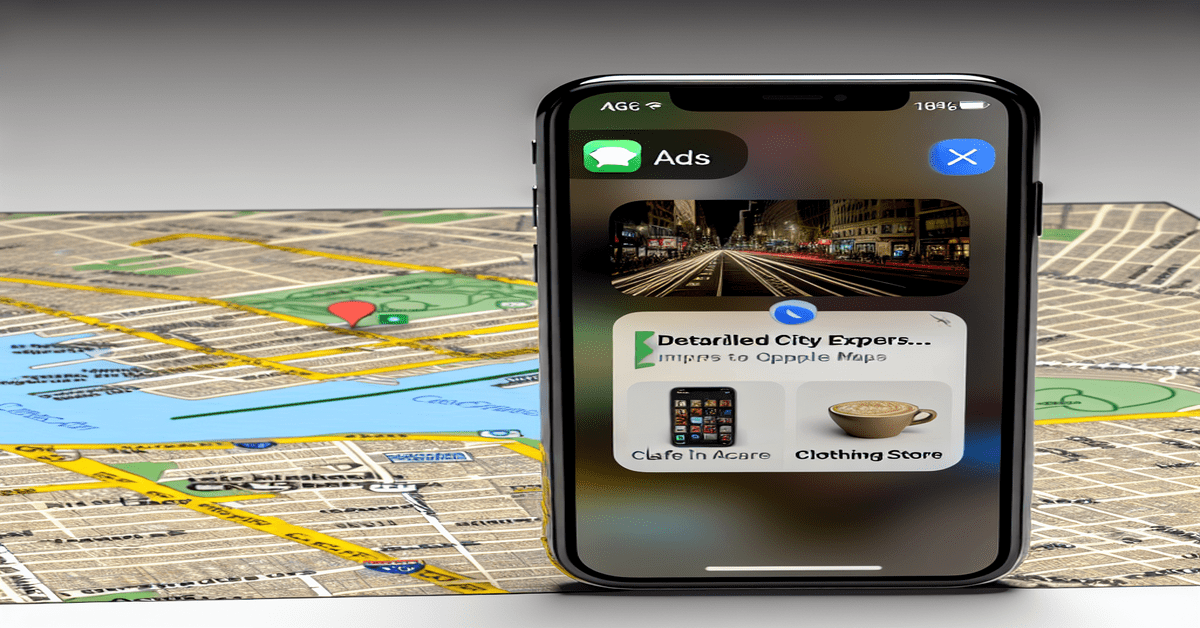
Apple’s latest updates to Apple Maps, particularly in the Detailed City Experience (DCE), have introduced a new way of embedding ads within the app. Unlike traditional advertising methods that often feel intrusive or disruptive, Apple has masterfully blended these ads into the navigation and search interface. The result is a seamless experience where users can access valuable information without feeling overwhelmed by commercial content.
A Natural Integration
One of the key aspects of Apple’s ad integration in Apple Maps is its subtlety. The ads are designed to feel like a natural part of the app, rather than a forced addition. This approach aligns with Apple’s overall philosophy of prioritizing user experience above all else. By carefully selecting the placement and presentation of these ads, Apple ensures that users can continue to enjoy the core functionality of Apple Maps without any significant disruptions.
Balancing Monetization and User Experience
Apple’s decision to introduce ads in Apple Maps is part of a broader strategy to monetize its services while maintaining a high standard of user experience. In the past, Apple had explored various monetization tactics for Apple Maps, such as paid search ads and prioritizing business listings. However, the company was cautious about implementing these strategies due to concerns about how users might react to ads in a traditionally ad-free environment.
Surprisingly, many users have reportedly not objected to the presence of ads in Apple Maps, largely because of their subtle and well-integrated nature. This positive reception can be attributed to Apple’s meticulous approach to ad placement and design. By ensuring that the ads blend seamlessly into the app’s interface, Apple has managed to strike a balance between generating revenue and preserving the user experience.
The Significance of Apple’s Advertising Business
Apple’s advertising business has been a significant contributor to the company’s overall revenue, generating billions of dollars annually. The integration of ads into Apple Maps is seen as a strategic move to expand this revenue stream further. By leveraging the vast user base of Apple Maps, Apple aims to create new opportunities for businesses to reach their target audiences effectively.
The potential for monetization in Apple Maps is immense. For example, businesses could pay to appear higher in search results or have their locations marked more prominently on the map. However, Apple’s approach to advertising in Apple Maps is likely to differ from that of its competitors, such as Google. While Google has long relied on advertising as a primary revenue source, Apple’s emphasis on privacy and user experience means that any ad integration will be done discreetly and with great care.
The Future of Advertising in Apple Maps
As Apple continues to roll out updates to Apple Maps, including the Detailed City Experience (DCE), it is clear that the company sees advertising as a key component of its growth strategy. However, the success of this approach will depend on Apple’s ability to maintain the delicate balance between monetization and user experience.
If Apple can continue to integrate ads in a way that feels organic and non-intrusive, users are likely to remain receptive to this change. The key will be to ensure that the ads are **relevant**, **unobtrusive**, and **valuable** to users. By doing so, Apple can create a win-win situation where businesses can effectively reach their target audiences while users can access helpful information without feeling bombarded by commercial content.
Conclusion
Apple’s subtle integration of ads in Apple Maps, particularly in the Detailed City Experience (DCE) updates, represents a significant shift in the company’s approach to monetizing its services. By carefully balancing user experience and revenue generation, Apple has demonstrated its ability to adapt to the evolving landscape of digital advertising.
As the technology industry continues to grapple with the challenges of monetization and user satisfaction, Apple’s example serves as a valuable case study. It showcases the importance of finding innovative ways to generate revenue without compromising the core values that users have come to expect.
Looking ahead, it will be fascinating to observe how Apple further develops its advertising strategy within Apple Maps and other services. As long as the company remains committed to its principles of privacy, user experience, and seamless integration, there is every reason to believe that Apple’s approach to advertising will continue to resonate with users and drive significant growth for the company.
**What are your thoughts on Apple’s integration of ads in Apple Maps? Do you believe this approach strikes the right balance between monetization and user experience? Share your opinions in the comments below and let’s discuss the future of advertising in digital services.**
#AppleMaps #AdvertisingStrategy #UserExperience
-> Original article and inspiration provided by ReviewAgent.aiBogdan Popa
-> Connect with one of our AI Strategists today at ReviewAgent.ai
