
The Unseen Dangers: How AI Can Pinpoint Your Exact Location from a Single Photo
In the age of social media and ubiquitous smartphone cameras, sharing vacation photos has become a common practice. However, a recent development in AI technology has raised significant privacy concerns. Modern AI models can now analyze a single photo and identify the exact location where it was taken, even without explicit geotags or location information[1]. This newfound capability has far-reaching implications for personal privacy and the potential rise of surveillance states.
AI’s Remarkable Ability to Identify Locations
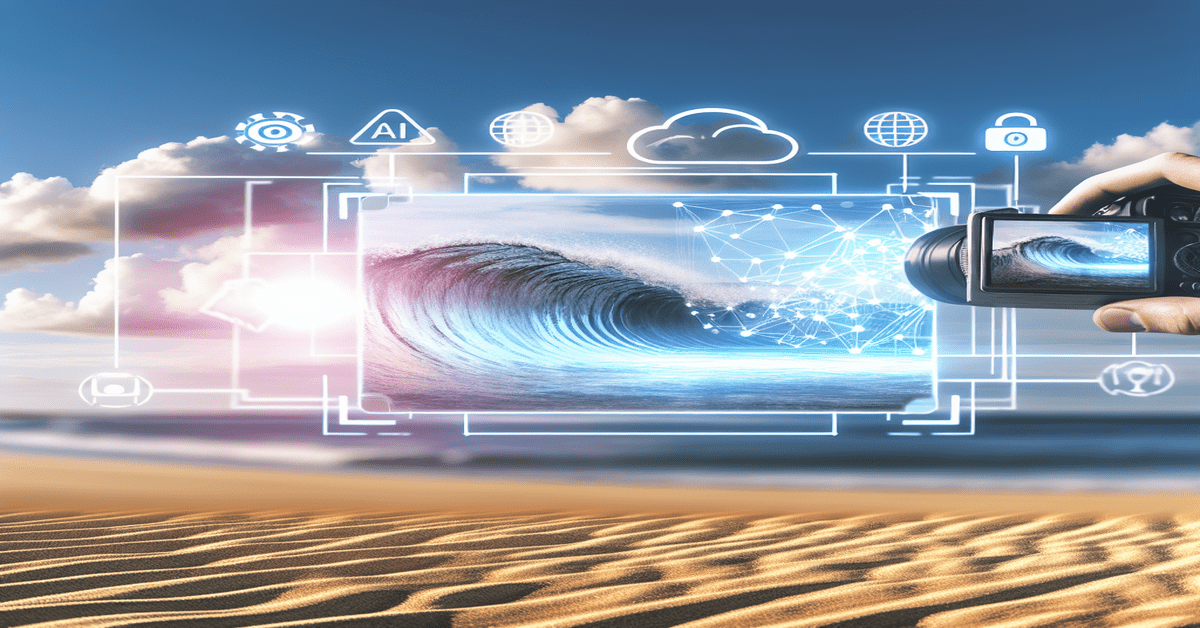
Gone are the days when a photo was just a visual representation of a moment in time. Today, AI models can delve into the subtle details of an image, such as wave patterns, sky conditions, and sand texture, to pinpoint the precise location of its capture[1]. This feat is not limited to generic AI models; specialized platforms like Picarta have emerged, leveraging AI to predict a photo’s location based on its visual elements[4].
The implications of this technology are both fascinating and alarming. On one hand, it showcases the incredible advancements in AI and its potential to revolutionize various industries. On the other hand, it raises critical questions about the erosion of privacy in the digital age.
The Looming Privacy Risks
The ability of AI to identify locations from a single photo has significantly lowered the barrier for stalking or tracking an individual’s movements. What was once a manual and time-consuming process has now been automated, making it easier for malicious actors to access personal data[1]. This development is particularly concerning when combined with AI’s facial recognition capabilities.
Many travel photo sorting applications already utilize AI to recognize faces in photos, enabling users to organize their memories more efficiently[3]. However, the same technology can be exploited to identify individuals in a picture without their knowledge or consent. The confluence of location identification and facial recognition poses a severe threat to personal privacy.
The Shifting Landscape of Privacy
The ease with which AI can track individuals from minimal information contributes to the rise of surveillance states, where privacy is increasingly compromised. Traditional notions of privacy, such as “security through obscurity,” are being challenged by the accessibility and automation of surveillance tools[1].
As AI continues to advance, it becomes crucial for individuals to be aware of the potential risks associated with sharing personal information online. Even seemingly innocuous vacation photos can now reveal far more than intended, making it imperative to exercise caution and discretion when posting on social media platforms.
Contemporary Tools and Platforms
Several platforms and tools have emerged to demonstrate the extent of AI’s capabilities in interpreting images. They See Your Photos, for example, allows users to upload photos and witness firsthand the insights that AI can extract from them[5]. This platform serves as a stark reminder of the information that can be gleaned from a single image.
On the other end of the spectrum, companies like Clearview AI have garnered attention for their facial recognition technologies, which are used by law enforcement agencies to identify individuals[2]. While such tools can aid in criminal investigations, they also highlight the potential for misuse and the need for robust regulations governing their use.
Navigating the Future of Privacy
As AI continues to evolve and permeate various aspects of our lives, it is crucial to have open discussions about the implications of these technologies on personal privacy. Policymakers, technologists, and the general public must work together to establish guidelines and regulations that protect individual rights while harnessing the benefits of AI.
Education and awareness are key in empowering individuals to make informed decisions about their online presence. By understanding the capabilities of AI and the potential risks associated with sharing personal information, we can take proactive steps to safeguard our privacy in the digital age.
Furthermore, the development of privacy-preserving technologies and the adoption of ethical AI practices should be prioritized. Researchers and industry leaders must collaborate to create AI systems that respect individual privacy and maintain transparency in their operations.
In conclusion, the ability of AI to identify locations from a single photo serves as a wake-up call for the importance of privacy in the digital era. As we navigate this rapidly evolving landscape, it is essential to remain vigilant, informed, and proactive in protecting our personal information. By working together and embracing responsible innovation, we can harness the power of AI while upholding the fundamental right to privacy.
#AI #Privacy #Surveillance #LocationTracking #FacialRecognition
-> Original article and inspiration provided by Kelsey Piper
-> Connect with one of our AI Strategists today at Opahl Technologies
