
The AI Revolution in the NFL: Transforming the Game from Every Angle
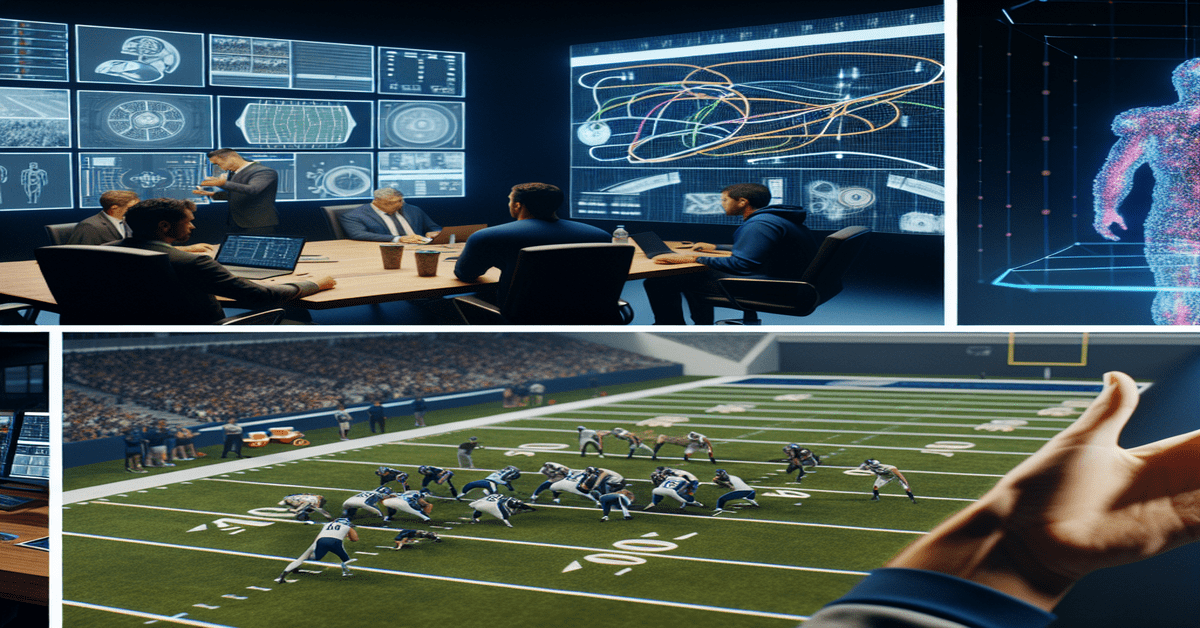
As the National Football League (NFL) continues to evolve, a new player has emerged on the field: artificial intelligence (AI). This groundbreaking technology is poised to revolutionize the sport, from the way games are scheduled to how coaches make decisions and players train. In this blog post, we’ll explore the various ways AI is being integrated into the NFL and the potential implications for the future of the game.
Optimizing the Schedule with AI
One of the most significant areas where AI is making an impact is in the NFL’s complex scheduling process. For the 2025 season, the league relied on AI models to simulate over 150,000 viable schedules from a staggering pool of one quadrillion possibilities[1]. These models take into account a wide range of factors, including game times, TV viewership, competitive fairness, and travel fatigue, to create an optimal schedule that maximizes fan engagement and revenue.
By leveraging AI, the NFL can ensure that the most exciting matchups are scheduled at the best times to attract the highest TV ratings. The technology can even predict which games will draw the largest audiences based on when they are played[2]. This level of optimization not only benefits the league financially but also enhances the overall fan experience by delivering the most compelling games each week.
AI-Powered Coaching and Game Strategy
Beyond scheduling, AI is also transforming the way teams approach coaching and game strategy. The Las Vegas Raiders made history by hiring the first dedicated AI coordinator, and other teams like the Atlanta Falcons are already using computer-generated aids for game preparation[3]. With AI-powered tools, coaches can quickly analyze vast amounts of game footage, identify key patterns and tendencies, and generate comprehensive game plans.
One of the most promising applications of AI in coaching is its ability to recognize defensive coverages with remarkable accuracy. By training machine learning models on extensive datasets of game film, teams can gain a significant competitive advantage in game planning and play-calling. As AI continues to advance, it’s likely that we’ll see more teams embracing this technology to gain an edge on the field.
Enhancing Player Health and Safety with AI
Player health and safety are paramount concerns in the NFL, and AI is playing an increasingly important role in this area as well. The league has implemented AI-driven tools like the Digital Athlete, which analyzes vast amounts of training and game data to predict injury risks and help teams develop personalized prevention and recovery programs[5].
By leveraging AI to identify potential injury risks, teams can take proactive measures to keep their players healthy and on the field. This not only benefits individual players but also contributes to a more competitive and exciting league overall. Additionally, the insights generated by AI tools like the Digital Athlete can inform rule changes aimed at improving player safety, such as recent adjustments to kickoff rules based on millions of simulated game scenarios[5].
The Future of Football: AI’s Impact on the Game
As AI continues to permeate every aspect of the NFL, from scheduling and coaching to player health and safety, it’s clear that the technology is poised to have a profound impact on the future of the game. Early adopters of AI, such as the Las Vegas Raiders and Atlanta Falcons, are already gaining a competitive advantage by leveraging the technology to make smarter decisions and optimize their strategies[3].
Looking ahead, it’s likely that AI will play an even greater role in shaping the NFL landscape. Some experts predict that the technology could eventually replace certain coaching roles, as machine learning models become increasingly sophisticated at analyzing game data and generating optimal strategies[3]. While this may be a daunting prospect for some, it also presents exciting opportunities for innovation and growth within the sport.
As fans, we can expect to see a more engaging and competitive NFL as a result of AI integration. With optimized schedules, cutting-edge coaching strategies, and enhanced player safety measures, the game we love is poised to reach new heights in the coming years. It’s an exciting time to be a football enthusiast, and we can’t wait to see how AI will continue to shape the future of the sport.
**#NFLAIRevolution #FutureOfFootball #SmartSports**
So, what do you think about the impact of AI on the NFL? How do you envision the game evolving as technology continues to advance? Share your thoughts in the comments below, and don’t forget to like and share this post with your fellow football fans!
-> Original article and inspiration provided by Josh Kendall
-> Connect with one of our AI Strategists today at Opahl Technologies