
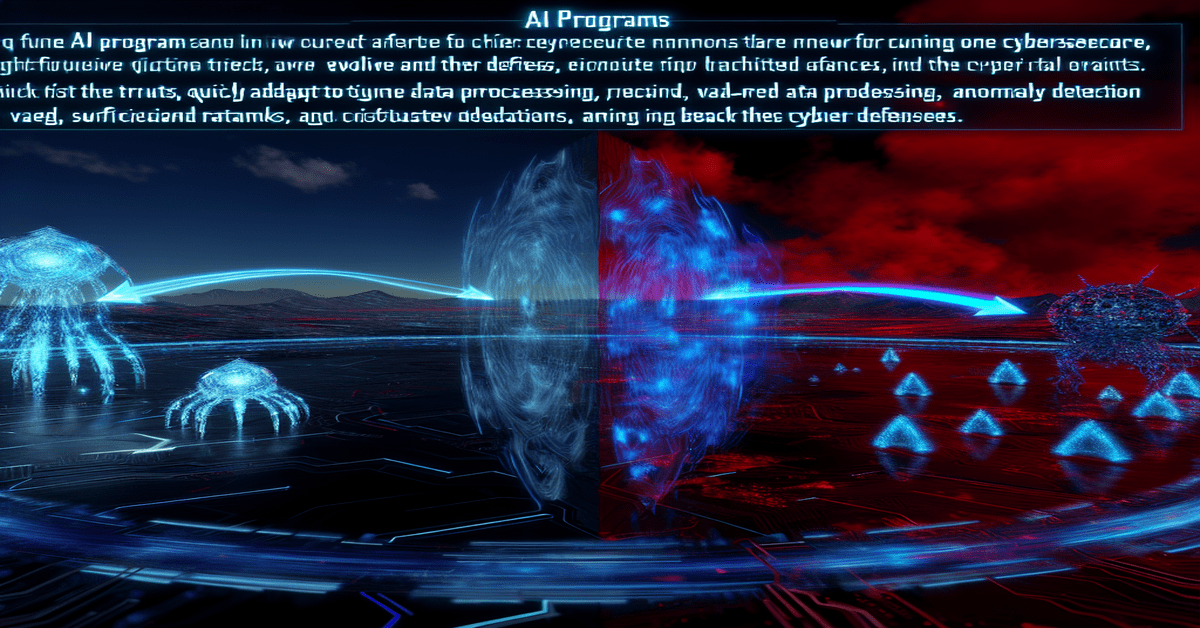
AI: The New Frontier in Cybersecurity
In the rapidly evolving world of technology, cybersecurity has become a critical concern for businesses and individuals alike. As we enter a new era of digital transformation, a powerful force is reshaping the landscape of cybersecurity: Artificial Intelligence (AI). AI is no longer a futuristic concept; it is a reality that is transforming the way we approach cybersecurity, making it a dynamic and high-stakes battleground between defenders and attackers.
The Double-Edged Sword of AI
AI has emerged as a game-changer in the realm of cybersecurity, offering both opportunities and challenges. On one hand, AI-powered tools and techniques have revolutionized the way we detect and respond to cyber threats. With its ability to process vast amounts of data in real-time, AI can identify patterns, anomalies, and potential threats that human analysts might miss. By leveraging machine learning algorithms, AI systems can continuously learn and adapt to the ever-changing threat landscape, enabling faster and more accurate threat detection, behavior analytics, and automated responses.
However, the power of AI is not limited to the defenders. Cybercriminals are also embracing AI to enhance their attack strategies. AI-powered malware, for instance, can evade traditional security measures by adapting its behavior and disguising itself as legitimate software. Attackers can use AI to automate and scale their attacks, making them more sophisticated, targeted, and difficult to detect. This has led to an escalation in the cybersecurity arms race, where both sides are leveraging AI capabilities to outmaneuver each other.
The Growing Complexity and Speed of Threats
The adoption of AI by cybercriminals has expanded the threat landscape, introducing new and complex challenges for organizations. Ransomware attacks, for example, have become more sophisticated, employing AI-driven tactics to maximize their impact and extortion potential. Attackers can use AI to analyze an organization’s network, identify valuable assets, and tailor their ransom demands accordingly. Supply chain vulnerabilities have also become a major concern, as AI-powered attacks can infiltrate weaknesses in third-party systems and propagate throughout the entire supply chain.
Moreover, the increasing adoption of Internet of Things (IoT) devices and remote work environments has created new attack surfaces for cybercriminals to exploit. AI-driven attacks can target these endpoints, compromising sensitive data and gaining unauthorized access to corporate networks. The speed and complexity of these threats demand proactive and AI-integrated cyber defenses to keep pace with the evolving risks.
AI in Cyber Defense Practices
To combat the growing sophistication of cyber threats, organizations are turning to AI-powered solutions to strengthen their cybersecurity posture. AI can support various defensive functions, providing a multi-layered approach to security. Continuous network monitoring, powered by AI, can detect anomalies and suspicious activities in real-time, enabling swift incident response. User and Entity Behavior Analytics (UEBA) leverages AI to establish baseline behaviors and identify deviations that may indicate a potential threat.
AI can also enable adaptive security adjustments, automatically fine-tuning security controls based on the changing risk landscape. In the event of a security incident, AI-powered incident containment can isolate affected systems, preventing the spread of the attack. Furthermore, AI-driven threat hunting allows security teams to proactively search for hidden threats, uncovering advanced persistent threats (APTs) that may have evaded traditional detection methods.
The Future of Cybersecurity: An AI-Driven Battleground
As we look towards the future, it is evident that AI will play a pivotal role in shaping the cybersecurity landscape. The interplay between AI-enhanced cyber defense and AI-augmented cyber attacks sets the stage for a new battleground, where the success of an organization’s cybersecurity strategy will heavily rely on its ability to harness the power of AI.
To stay ahead in this battle, organizations must embrace a proactive approach to cybersecurity. This involves investing in AI-driven security tools, fostering a culture of cybersecurity awareness, and continuously updating and adapting their defenses to keep pace with the evolving threat landscape. Collaboration and information sharing among industry peers will also be crucial in combating the collective threat posed by AI-powered cyber attacks.
The future of cybersecurity is an AI-driven battleground, where the line between attackers and defenders is constantly shifting. As we navigate this new frontier, it is essential to recognize the transformative potential of AI in securing our digital assets. By harnessing the power of AI responsibly and strategically, we can build a more resilient and secure digital future.
#CyberSecurity #ArtificialIntelligence #ThreatDetection #DataProtection
-> Original article and inspiration provided by Tony Bradley
-> Connect with one of our AI Strategists today at Opahl Technologies
