
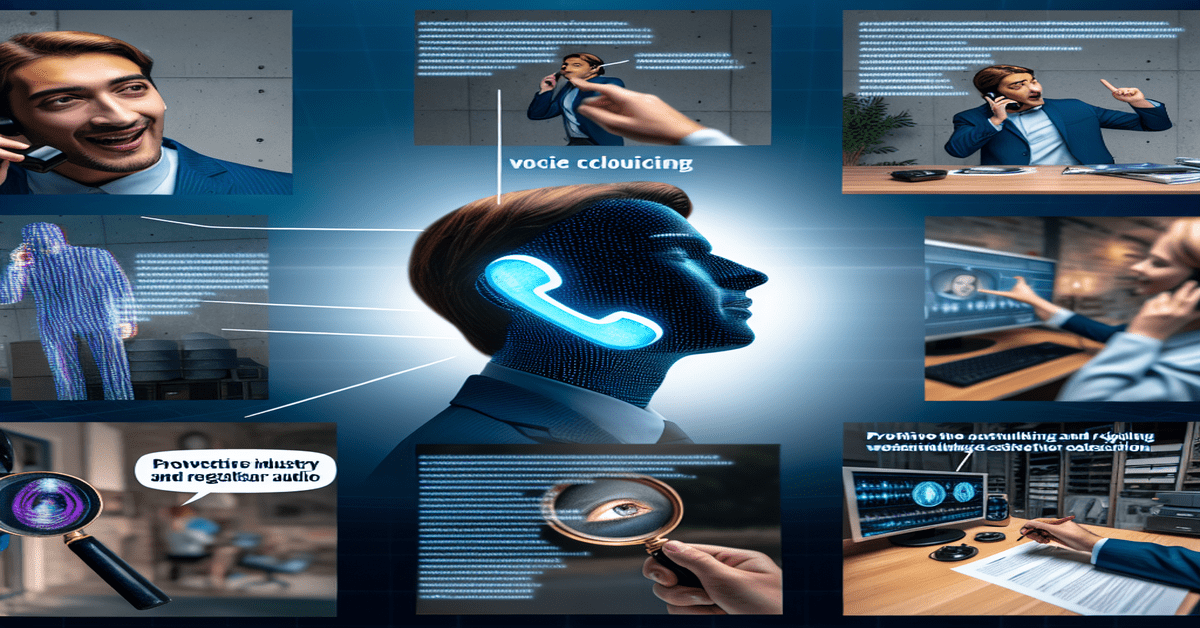
The Dangers of AI Voice Cloning: Protecting Yourself from Scams
In today’s rapidly evolving technological landscape, artificial intelligence (AI) has made remarkable strides in various fields, including voice cloning. While this technology has the potential to revolutionize industries such as entertainment, education, and customer service, it also poses significant risks when misused by scammers. Consumer Reports recently highlighted these concerns and provided guidance on how to safeguard yourself against AI voice-cloning scams[1].
The Rise of AI Voice Cloning Scams
AI voice cloning tools have become increasingly sophisticated, allowing users to create convincing deepfake voices using short audio clips[1][2][3]. This technology has opened the door for scammers to impersonate individuals, including family members or public figures, in an attempt to deceive people into sending money or endorsing fake products[1][2][3].
The process of creating a deepfake voice is relatively simple. Scammers can use publicly available audio clips or even record a short conversation with their target to gather the necessary data. They then feed this audio into an AI voice cloning tool, which analyzes the unique characteristics of the person’s voice and generates a convincing replica[2].
Real-World Examples of AI Voice Cloning Scams
One notable example of an AI voice cloning scam occurred in 2019 when a CEO of a UK-based energy firm was tricked into transferring €220,000 to a Hungarian supplier after receiving a phone call from someone claiming to be the CEO of the firm’s German parent company[3]. The scammer had used AI voice cloning technology to impersonate the German CEO, and the British executive, believing he was speaking to his boss, complied with the request[3].
In another case, scammers used AI voice cloning to impersonate a senior executive at a Hong Kong-based bank, instructing a branch manager to transfer $35 million to an account controlled by the scammers[2]. Fortunately, the branch manager became suspicious and contacted the real executive, foiling the attempt[2].
Lack of Safeguards in AI Voice Cloning Products
Consumer Reports assessed products from six companies: Descript, ElevenLabs, Lovo, PlayHT, Resemble AI, and Speechify[1][4][5]. They found that most of these companies did not implement meaningful safeguards to prevent unauthorized use of their AI voice cloning technology, leaving consumers vulnerable to fraud[1][4][5].
The assessment revealed that only one company, ElevenLabs, had taken steps to verify user consent before allowing the cloning of a voice[5]. However, even ElevenLabs’ safeguards were found to be insufficient, as the company did not verify the authenticity of the consent[5].
Protecting Yourself from AI Voice Cloning Scams
Consumer Actions
As a consumer, there are several steps you can take to protect yourself from AI voice cloning scams:
1. **Verify Calls**: If you receive a suspicious call, especially one requesting money or sensitive information, try contacting the person directly using another method, such as email or text message, to confirm their identity[5].
2. **Be Cautious**: Be wary of urgent requests for money, even if the voice sounds familiar. Ask questions that only the real person would know the answer to in order to verify the caller’s identity[5].
Industry and Regulatory Actions
While consumers can take steps to protect themselves, it is crucial for companies and regulators to address the risks posed by AI voice cloning technology:
1. **Strengthen Safeguards**: Companies developing AI voice cloning tools should implement robust measures to prevent misuse, such as requiring verified consent from individuals before allowing their voices to be cloned, watermarking AI-generated audio, and developing systems to detect AI-generated voices of public figures[5].
2. **Enforce Existing Laws**: Consumer Reports urges stronger enforcement of existing consumer protection laws and suggests that companies should be held accountable through contractual obligations to ensure they take steps to prevent harmful uses of their technology[5][4].
The Future of AI Voice Cloning and Scam Prevention
As AI voice cloning technology continues to advance, it is essential for individuals, companies, and regulators to remain vigilant and proactive in preventing its misuse. By raising awareness of the risks, implementing strong safeguards, and enforcing consumer protection laws, we can harness the potential of this technology while minimizing the threat of scams.
It is also crucial for ongoing research and development to focus on creating more robust methods for detecting and preventing the misuse of AI voice cloning. This may include advanced techniques for watermarking AI-generated audio, improving consent verification processes, and developing AI-powered tools to identify and flag potential scams in real-time.
As we navigate this new frontier of artificial intelligence, collaboration between consumers, companies, and regulators will be key to striking the right balance between innovation and security. By working together and staying informed, we can embrace the benefits of AI voice cloning while protecting ourselves from those who seek to exploit it for nefarious purposes.
#AIVoiceCloning #ScamPrevention #ConsumerProtection
-> Original article and inspiration provided by ReviewAgent.ai@azfamily
-> Connect with one of our AI Strategists today at ReviewAgent.ai
