AI Revolution in Pharmaceutical Supply Chain: Predictive Analytics and Automated Inventory Management
The pharmaceutical industry is undergoing a significant transformation, and artificial intelligence (AI) is at the forefront of this change. As the demand for medications continues to grow, pharmaceutical companies are turning to AI-powered solutions to optimize their supply chains, improve efficiency, and ensure a consistent supply of critical drugs. In this blog post, we’ll explore how AI, particularly predictive analytics and automated inventory management, is revolutionizing the pharmaceutical supply chain.
Predictive Analytics: Forecasting Demand and Optimizing Resources
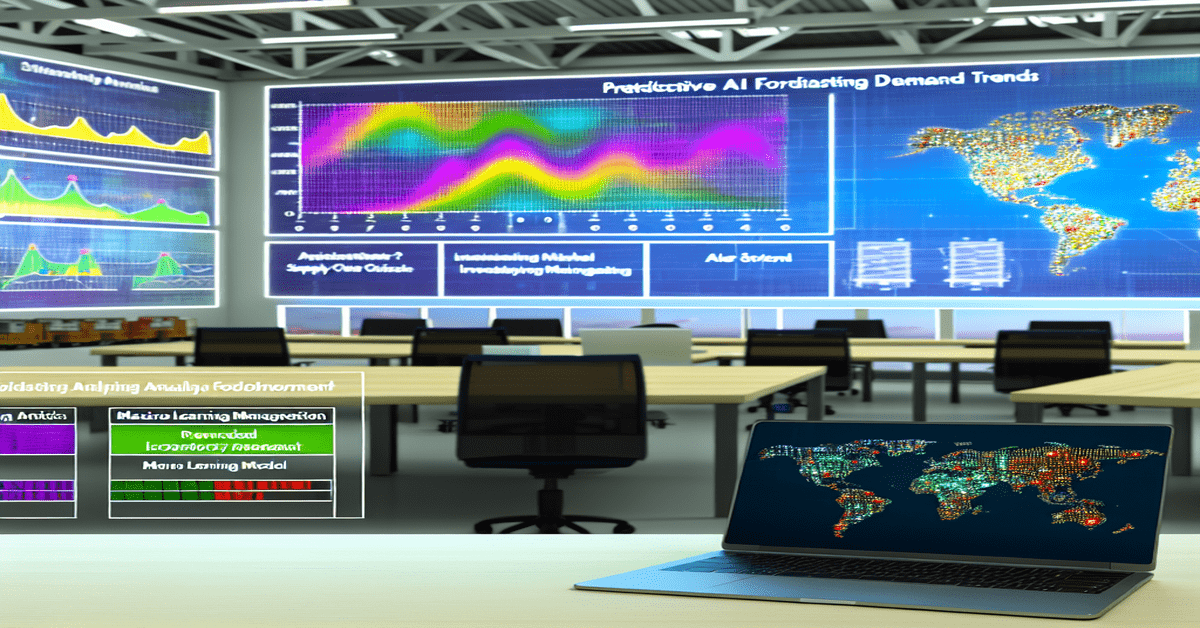
One of the most significant applications of AI in the pharmaceutical supply chain is predictive analytics. By leveraging vast amounts of historical data, market trends, and real-time supply chain information, AI algorithms can accurately forecast demand trends and help companies optimize their resource allocation. This proactive approach allows pharmaceutical companies to anticipate potential disruptions or shortages and take corrective measures before they occur.
According to a report by McKinsey & Company, AI-powered predictive analytics can help pharmaceutical companies reduce inventory levels by 20-50%, while simultaneously improving service levels. By analyzing complex data patterns and identifying trends, AI enables companies to make data-driven decisions and improve overall supply chain efficiency.
Automated Inventory Management: Optimizing Stock Levels and Reducing Waste
Another key area where AI is making a significant impact is automated inventory management. Traditional inventory management methods often lead to excess inventory or stockouts, resulting in financial losses and potential disruptions in patient care. However, by integrating machine learning and predictive analytics, pharmaceutical companies can optimize their inventory levels in real-time.
AI algorithms can analyze historical sales data, supplier lead times, and other relevant factors to determine the optimal stock levels for each product. This approach helps reduce excess inventory, minimize the risk of stockouts, and improve cash flow. According to a study by Accenture, AI-driven inventory management can lead to a 10-20% reduction in inventory carrying costs and a 5-10% improvement in service levels.
Real-Time Decision-Making and Risk Mitigation
AI’s ability to process and analyze vast amounts of data in real-time is transforming decision-making processes in the pharmaceutical supply chain. By integrating data from various sources, such as demand patterns, production schedules, and geopolitical factors, AI enables companies to make informed decisions quickly and efficiently.
Moreover, AI helps in identifying potential supply chain risks early, allowing for proactive measures to mitigate them. For example, AI algorithms can detect patterns that indicate potential supplier disruptions or quality issues, enabling companies to take corrective actions before the problem escalates. This proactive risk management approach leads to improved operational efficiency and better patient care.
Combating Drug Shortages with AI
Drug shortages are a significant challenge in the pharmaceutical industry, affecting patient care and causing financial losses for healthcare providers. AI-driven predictive analytics plays a crucial role in combating these shortages by identifying potential gaps in supply before they occur.
By analyzing real-time data on drug consumption patterns, production capacity, and supplier performance, AI can predict potential shortages and alert pharmaceutical companies to take proactive measures. This early warning system helps ensure an uninterrupted supply of critical medications, improving patient outcomes and reducing the financial burden on healthcare systems.
The Future of Pharmaceutical Supply Chains
As AI continues to evolve and integrate into various aspects of the pharmaceutical supply chain, companies that successfully adopt this technology are expected to gain a significant competitive advantage. By leveraging AI-powered predictive analytics and automated inventory management, pharmaceutical companies can respond more effectively to market shifts, improve supply chain resilience, and deliver better patient care.
However, the successful implementation of AI in the pharmaceutical supply chain requires a strategic approach and collaboration among stakeholders. Companies need to invest in the right technology infrastructure, develop a data-driven culture, and foster partnerships with AI solution providers to harness the full potential of this transformative technology.
Conclusion
The integration of AI, particularly predictive analytics and automated inventory management, is revolutionizing the pharmaceutical supply chain. By enabling accurate demand forecasting, optimizing inventory levels, and facilitating real-time decision-making, AI is helping pharmaceutical companies improve efficiency, reduce costs, and ensure a consistent supply of critical medications.
As the pharmaceutical industry continues to embrace AI, we can expect to see significant improvements in supply chain resilience, drug availability, and patient care. The companies that successfully navigate this AI-driven transformation will be well-positioned to thrive in the increasingly competitive pharmaceutical landscape.
#PharmaSupplyChain #AIinHealthcare #PredictiveAnalytics #InventoryManagement
-> Original article and inspiration provided by LeadsProMax.aiMark Chiang
-> Connect with one of our LeadsProMax.ai Strategists today at LeadsProMax.ai
