
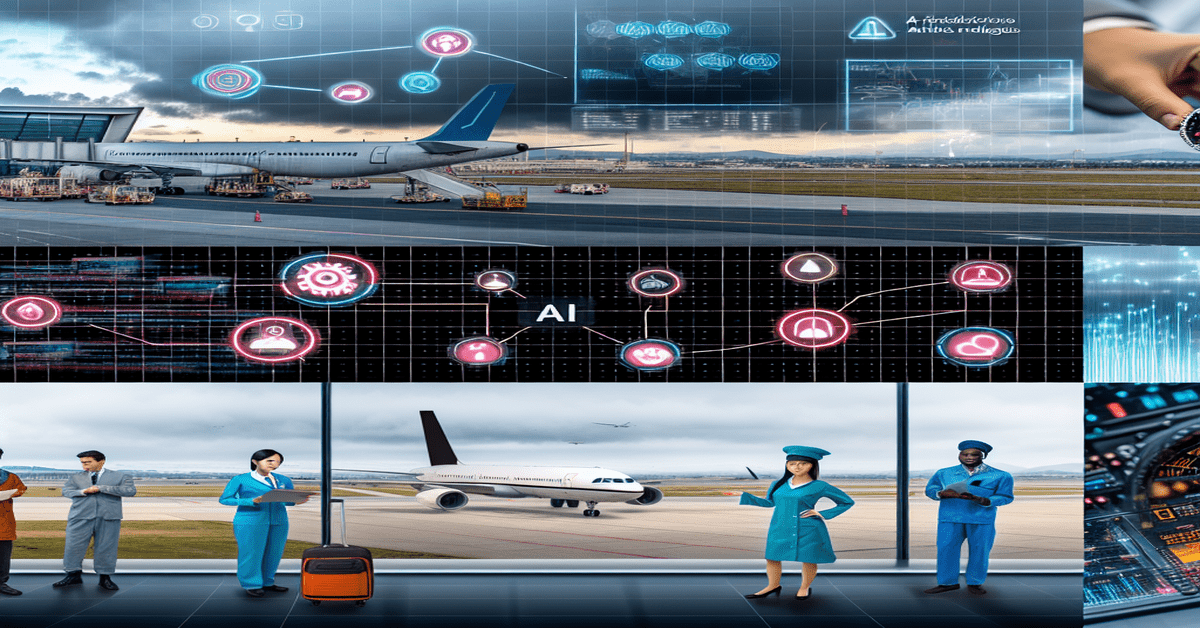
The Aviation Industry Takes Flight with AI-Powered Cloud Computing
The aviation industry is soaring to new heights, propelled by the transformative power of Artificial Intelligence (AI) and cloud computing. As the demand for air travel continues to surge, airlines and airports are turning to cutting-edge technologies to streamline operations, enhance safety, and deliver unparalleled passenger experiences. In this blog post, we’ll explore how AI is revolutionizing the aviation cloud market and driving unprecedented growth in the industry.
Skyrocketing Market Growth
The numbers speak for themselves: the aviation cloud market in North America has already surpassed a staggering USD 6.1 billion in 2024 and is projected to reach a whopping USD 12.9 billion by 2029[1]. This remarkable growth, reflecting a compound annual growth rate (CAGR) of about 16.1%, is fueled by a perfect storm of factors, including increasing air traffic, rapid digitalization, and the expanding use of AI and Internet of Things (IoT) technologies[1].
As more passengers take to the skies and airlines strive to meet the growing demand, the adoption of AI-powered cloud solutions has become a game-changer. By leveraging the vast computational power and scalability of the cloud, airlines can process massive amounts of data in real-time, enabling them to make data-driven decisions and optimize every aspect of their operations.
AI: The Cockpit of Innovation
At the heart of this digital revolution lies AI, the driving force behind the redesign of aviation operations, the enhancement of safety, and the promotion of sustainable growth. AI’s ability to analyze vast datasets and uncover hidden patterns and insights has opened up a world of possibilities for the industry.
One of the most significant applications of AI in aviation is **predictive analytics**. By leveraging machine learning algorithms, airlines can forecast maintenance needs, model fuel consumption, and anticipate potential disruptions, allowing them to proactively address issues before they escalate. A prime example of this is the F-35 maintenance project, where AI is used to predict system failures based on component age and operational data[1]. This proactive approach not only improves safety but also reduces maintenance costs and minimizes flight delays.
Unlocking Operational Efficiency
AI-enhanced cloud computing is also transforming the way airlines manage their day-to-day operations. By leveraging real-time data and advanced algorithms, airlines can optimize flight routes, manage slots efficiently, and streamline crew scheduling. AI copilots, for instance, can offer route suggestions based on live weather, traffic, and cost models, ensuring that flights are not only safe but also cost-effective and environmentally friendly.
A shining example of this is Alaska Airlines’ “Flyways” assistant, which has already saved significant time and fuel by optimizing flight routes[1]. By analyzing a vast array of data points, including weather patterns, air traffic congestion, and airport conditions, the AI-powered assistant helps pilots make informed decisions and navigate the most efficient routes.
Soaring Benefits for Airlines and Passengers
The integration of AI in aviation cloud computing is not just a technological marvel; it’s a game-changer for both airlines and passengers. By streamlining operations, reducing costs, and improving fleet availability, AI is helping airlines maintain a competitive edge in an increasingly crowded market.
For passengers, the benefits are equally impressive. AI-powered solutions are enabling airlines to offer personalized experiences, from tailored in-flight entertainment to predictive booking recommendations. Moreover, the increased efficiency and reliability brought about by AI are translating into fewer delays, smoother journeys, and an overall enhanced travel experience.
The Future of Aviation: AI-Powered and Cloud-Driven
As we look to the future, it’s clear that AI and cloud computing will continue to shape the aviation industry in profound ways. The rapid adoption of these technologies is not just a trend; it’s a necessity for airlines to remain competitive and meet the ever-growing demands of the modern traveler.
However, the integration of AI in aviation is not without its challenges. As with any disruptive technology, there are concerns around data privacy, cybersecurity, and the ethical implications of AI decision-making. It’s crucial for the industry to address these issues head-on and develop robust frameworks to ensure the responsible and transparent use of AI.
Despite these challenges, the potential benefits of AI in aviation are too significant to ignore. As the technology continues to evolve and mature, we can expect to see even more innovative applications emerge, from autonomous aircraft to fully personalized travel experiences.
Conclusion
The aviation industry is on the cusp of a new era, one that is powered by AI and cloud computing. As airlines embrace these technologies, they are not only improving their bottom line but also delivering unparalleled value to their customers. The future of aviation is undoubtedly AI-powered and cloud-driven, and those who fail to adapt risk being left behind.
As industry professionals, it’s our responsibility to stay at the forefront of these developments and explore how we can harness the power of AI to drive innovation, efficiency, and growth. By embracing change and collaborating across the industry, we can ensure that the aviation sector remains a global leader in technological advancement and customer satisfaction.
So, what are your thoughts on the impact of AI on the aviation cloud market? How is your organization leveraging these technologies to stay ahead of the curve? Share your experiences and insights in the comments below, and let’s continue the conversation on this exciting frontier.
#AviationIndustry #ArtificialIntelligence #CloudComputing #InnovationInAviation
-> Original article and inspiration provided by MarketsandMarkets.com
-> Connect with one of our LeadsProMax.ai Strategists today at LeadsProMax.ai