
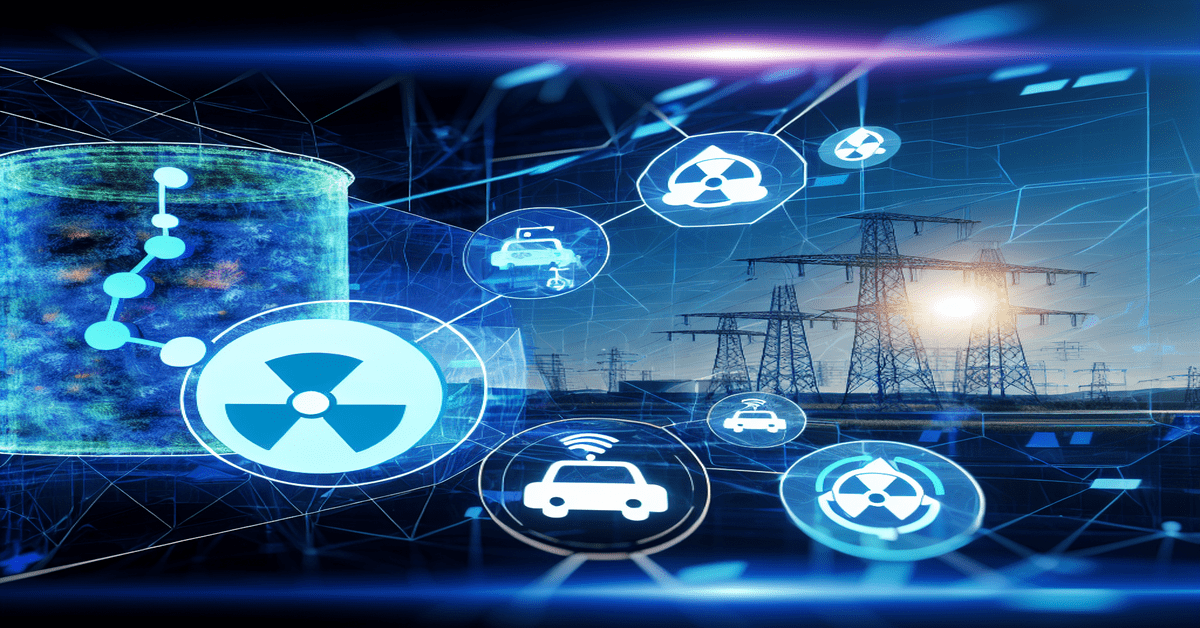
Harnessing the Power of AI in the Modern Energy Landscape
The energy sector is undergoing a profound transformation, driven by the rapid advancements in artificial intelligence (AI) technologies. As the world grapples with the pressing need to transition towards cleaner, more sustainable energy sources, AI is emerging as a game-changer, offering innovative solutions to optimize energy systems, improve efficiency, and reduce environmental impact. In this blog post, we will explore three key strategies for seamlessly incorporating AI into the modern energy equation, highlighting its potential to revolutionize the industry and shape a greener future.
Strategy 1: Optimizing Energy Systems with AI
One of the most promising applications of AI in the energy sector lies in its ability to optimize energy systems. Traditional energy grids often struggle with inefficiencies, leading to energy losses and wastage. However, by leveraging the power of AI, we can transform these systems into **smart grids** that are more responsive, reliable, and sustainable.
AI algorithms can analyze vast amounts of data from various sources, such as weather patterns, energy consumption trends, and real-time demand, to accurately predict energy needs. By forecasting energy demand and generation with precision, AI enables better planning and allocation of resources, ensuring a more stable and efficient energy supply.
Moreover, AI can optimize the flow of energy within the grid, minimizing losses and reducing wastage. Through intelligent control systems and automated decision-making, AI can dynamically adjust energy distribution based on real-time conditions, such as fluctuations in renewable energy generation or sudden spikes in demand. This level of optimization not only improves the overall efficiency of the energy system but also contributes to lowering greenhouse gas emissions by reducing reliance on fossil fuels.
Real-World Example: Google’s DeepMind AI
A notable example of AI’s potential in optimizing energy systems is Google’s DeepMind AI. In 2016, Google implemented DeepMind AI in its data centers to optimize cooling systems and reduce energy consumption. By analyzing vast amounts of data and learning from historical patterns, DeepMind AI was able to predict energy needs accurately and make real-time adjustments to the cooling systems. As a result, Google achieved a remarkable **40% reduction in energy used for cooling**, demonstrating the significant impact AI can have on energy efficiency[1].
Strategy 2: Improving Nuclear Energy Efficiency
Nuclear energy has long been a critical component of the global energy mix, offering a reliable and low-carbon alternative to fossil fuels. However, the nuclear industry faces challenges such as cost overruns, delays, and safety concerns. AI has the potential to address these challenges and significantly improve the efficiency and economics of nuclear energy systems.
One area where AI can make a significant impact is in the design and construction of nuclear power plants. Nuclear projects are notorious for experiencing delays and cost overruns due to the complexity of the design process and the need for stringent safety measures. By leveraging AI technologies, such as **machine learning and predictive analytics**, the nuclear industry can streamline the design process, enhance design completion, and improve overall efficiency.
AI algorithms can analyze vast amounts of data from previous nuclear projects, identifying patterns and potential risks that may lead to delays or cost overruns. By learning from historical data and simulating various scenarios, AI can assist in optimizing the design process, minimizing errors, and ensuring compliance with safety regulations. This not only reduces the time and cost associated with nuclear power plant construction but also enhances the overall reliability and safety of the facilities.
Furthermore, AI can play a crucial role in the real-time management and operation of nuclear power plants. By continuously monitoring various parameters, such as reactor performance, fuel consumption, and environmental conditions, AI can detect anomalies and potential issues in real-time. This allows for proactive maintenance and timely interventions, reducing the risk of unplanned shutdowns and ensuring the smooth operation of nuclear facilities.
Real-World Example: TEPCO’s AI-Powered Maintenance System
Tokyo Electric Power Company (TEPCO), one of Japan’s largest utility companies, has implemented an AI-powered maintenance system in its nuclear power plants. The system uses machine learning algorithms to analyze data from various sensors and monitoring devices, detecting potential equipment failures and predicting maintenance needs. By leveraging AI, TEPCO has been able to optimize maintenance schedules, reduce downtime, and enhance the overall efficiency and safety of its nuclear operations[2].
Strategy 3: Enhancing Energy Management for Electric Vehicles and Smart Grids
The rise of electric vehicles (EVs) presents both opportunities and challenges for the energy sector. As the adoption of EVs continues to grow, integrating them seamlessly into the existing energy infrastructure becomes crucial. AI plays a vital role in facilitating this integration, enabling efficient energy management and optimizing the interaction between EVs and smart grids.
One of the key challenges in integrating EVs into the energy system is managing their charging needs while maintaining a stable and reliable power supply. AI can address this challenge by predicting EV charging patterns and optimizing charging schedules based on various factors, such as energy prices, grid capacity, and user preferences. By leveraging **machine learning algorithms**, AI can analyze historical charging data, weather patterns, and user behavior to accurately forecast charging demand and adjust charging strategies accordingly.
Moreover, AI can enable the concept of **vehicle-to-grid (V2G) technology**, where EVs not only consume energy from the grid but also have the ability to feed energy back into the grid when needed. AI-powered energy management systems can intelligently coordinate the charging and discharging of EV batteries, allowing them to act as distributed energy storage units. During peak demand periods or when renewable energy generation is low, AI can orchestrate the flow of energy from EV batteries back into the grid, helping to maintain grid stability and reduce reliance on fossil fuel-based power plants.
Real-World Example: Nuvve’s V2G Platform
Nuvve, a leading provider of V2G technology, has developed an AI-powered platform that enables the intelligent integration of EVs into the energy grid. Nuvve’s platform uses machine learning algorithms to predict EV charging needs, optimize energy storage and distribution, and facilitate the bidirectional flow of energy between EVs and the grid. By leveraging AI, Nuvve’s solution helps utilities and EV owners to reduce energy costs, improve grid stability, and support the integration of renewable energy sources[3].
The Future of AI in the Energy Sector
The incorporation of AI into the modern energy equation is not a distant vision; it is a reality that is already transforming the industry. As AI technologies continue to advance and mature, their impact on the energy sector will only grow stronger. From optimizing energy systems and improving nuclear energy efficiency to enhancing energy management for EVs and smart grids, AI is proving to be a powerful tool in driving the transition towards a cleaner, more sustainable energy future.
However, the successful implementation of AI in the energy sector requires a collaborative effort from all stakeholders, including energy companies, technology providers, policymakers, and consumers. It is essential to foster a culture of innovation, invest in AI research and development, and establish clear regulatory frameworks that encourage the adoption of AI while ensuring the safety, security, and reliability of energy systems.
Moreover, it is crucial to address the ethical and social implications of AI in the energy sector. As AI becomes more prevalent in decision-making processes, it is important to ensure transparency, accountability, and fairness in its deployment. Engaging in open dialogues and involving diverse perspectives in the development and implementation of AI solutions will help build trust and ensure that the benefits of AI are distributed equitably.
Conclusion
The incorporation of AI into the modern energy equation presents a transformative opportunity to reshape the energy landscape. By optimizing energy systems, improving nuclear energy efficiency, and enhancing energy management for EVs and smart grids, AI has the potential to drive significant improvements in efficiency, sustainability, and resilience. As we navigate the challenges and opportunities presented by the energy transition, embracing AI as a key enabler will be essential in achieving a cleaner, more sustainable future.
It is an exciting time for the energy sector, as AI continues to push the boundaries of what is possible. By staying at the forefront of AI innovation and adopting these three strategies, energy companies can position themselves as leaders in the industry, driving positive change and shaping a greener energy landscape for generations to come. The future of energy is here, and AI is leading the charge.
#EnergyTransition #ArtificialIntelligence #SustainableEnergy
[1] DeepMind AI Reduces Google Data Centre Cooling Bill by 40% – https://deepmind.com/blog/article/deepmind-ai-reduces-google-data-centre-cooling-bill-40
[2] TEPCO’s AI-Powered Maintenance System – https://www.tepco.co.jp/en/press/corp-com/release/2019/1516851_8710.html
[3] Nuvve’s V2G Platform – https://nuvve.com/platform/
-> Original article and inspiration provided by LeadsProMax.aiQuinn Lewis
-> Connect with one of our LeadsProMax.ai Strategists today at LeadsProMax.ai