
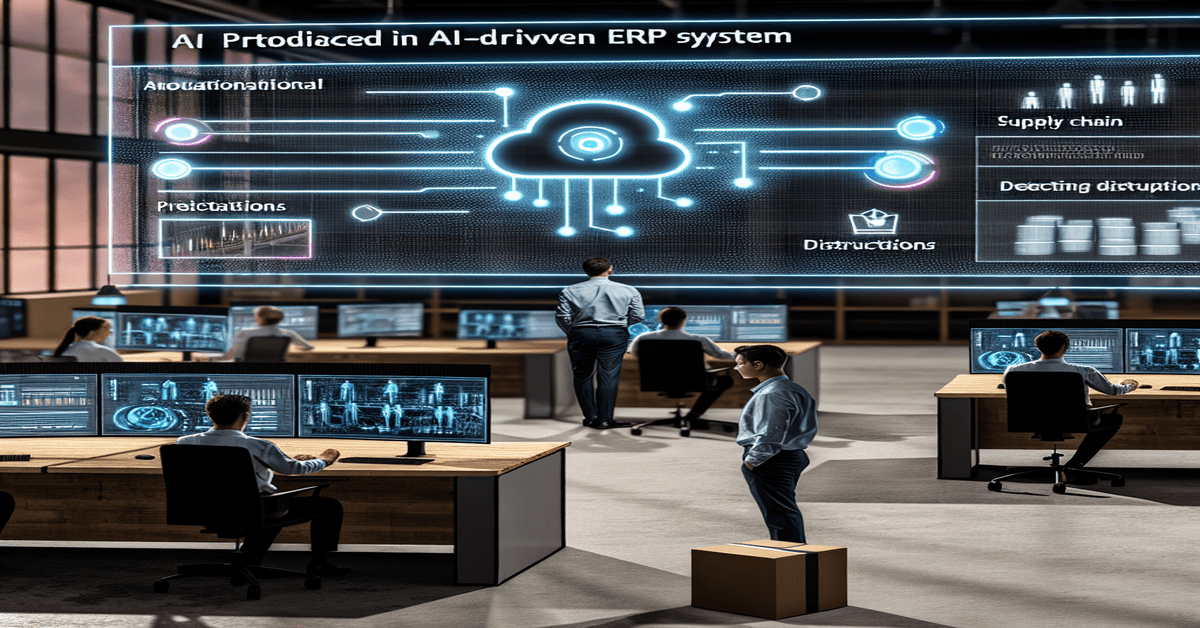
Unleashing the Power of AI-Driven ERP Systems: Transforming Business Operations
In today’s fast-paced business landscape, organizations are constantly seeking ways to optimize their operations, enhance decision-making, and stay ahead of the competition. As technology continues to evolve, AI-driven Enterprise Resource Planning (ERP) systems have emerged as a game-changer, revolutionizing the way businesses manage their processes and analyze data. These intelligent systems are empowering companies to move beyond traditional historical data analysis and embrace real-time insights and predictive analytics.
Real-Time Insights: The Key to Agile Decision-Making
One of the most significant advantages of AI-driven ERP systems is their ability to provide **real-time insights**. By leveraging the power of artificial intelligence, these systems can process and analyze vast amounts of data in real-time, offering businesses up-to-date information on various aspects of their operations. From monitoring inventory levels and tracking customer behaviors to assessing operational performance, AI-driven ERP systems enable organizations to have a finger on the pulse of their business at all times.
Real-time insights are crucial in today’s dynamic business environment, where market conditions can change rapidly, and customer preferences can shift overnight. With AI-driven ERP systems, businesses can quickly identify emerging trends, detect potential issues, and make informed decisions based on the most current data available. This agility allows companies to respond swiftly to market changes, seize opportunities, and mitigate risks effectively.
Predictive Analytics: Anticipating the Future
AI-driven ERP systems take data analysis to the next level by incorporating **predictive analytics**. By leveraging machine learning algorithms and historical data, these systems can identify patterns, forecast future trends, and provide valuable insights into potential challenges and opportunities. Predictive analytics enables businesses to anticipate supply chain disruptions, shifts in customer demand, and market fluctuations, allowing them to make proactive decisions and stay ahead of the curve.
For example, an AI-driven ERP system can analyze historical sales data, customer behavior patterns, and external factors such as weather conditions or economic indicators to predict future demand for a particular product. Armed with this information, businesses can optimize their inventory levels, plan production schedules, and allocate resources efficiently. By anticipating future needs and challenges, organizations can improve their operational efficiency, reduce costs, and enhance their overall profitability.
Automation and Productivity: Streamlining Business Processes
Another significant benefit of AI-driven ERP systems is their ability to automate repetitive and time-consuming tasks. By leveraging artificial intelligence and machine learning, these systems can handle tasks such as invoice matching, order processing, and data entry with minimal human intervention. This automation not only reduces the risk of human error but also frees up valuable time for employees to focus on more strategic and value-adding activities.
Moreover, AI-driven ERP systems can optimize business processes by identifying bottlenecks, inefficiencies, and areas for improvement. By continuously analyzing data and learning from past experiences, these systems can suggest process enhancements, streamline workflows, and improve overall productivity. This optimization leads to faster turnaround times, improved customer satisfaction, and increased operational efficiency.
Data Quality: The Foundation for AI Success
While AI-driven ERP systems offer immense potential for transforming business operations, it is crucial to emphasize the importance of **data quality**. The success of any AI system relies heavily on the accuracy, completeness, and consistency of the data it processes. Poor data quality can lead to inaccurate predictions, flawed decision-making, and suboptimal performance.
To ensure the effectiveness of AI-driven ERP systems, businesses must prioritize data governance and establish robust data management practices. This includes regularly cleansing and validating data, implementing standardized data formats, and ensuring data integrity across all systems and touchpoints. By investing in data quality, organizations can unlock the full potential of AI and harness its benefits for their business operations.
Embracing the Future of Business Operations
AI-driven ERP systems represent a significant leap forward in business operations management. By leveraging real-time insights, predictive analytics, and automation, these systems empower organizations to make informed decisions, optimize processes, and stay ahead in an increasingly competitive landscape. As AI continues to evolve and mature, businesses that embrace these technologies will be well-positioned to thrive in the digital age.
However, adopting AI-driven ERP systems is not just about implementing new technology; it requires a shift in mindset and a willingness to embrace change. Organizations must foster a culture of innovation, encourage employee training and upskilling, and align their business strategies with the capabilities of AI. By doing so, they can unlock the full potential of AI-driven ERP systems and drive sustainable growth and success.
As the business world continues to evolve, AI-driven ERP systems will undoubtedly play a crucial role in shaping the future of business operations. By harnessing the power of real-time insights, predictive analytics, and automation, organizations can gain a competitive edge, improve efficiency, and deliver exceptional value to their customers. The time to embrace AI-driven ERP systems is now, and businesses that do so will be well-positioned to navigate the challenges and opportunities of the digital era.
#AIBusinessTransformation #RealTimeInsights #PredictiveAnalytics #AutomationInBusiness
-> Original article and inspiration provided by ReviewAgent.aiJames Robinson
-> Connect with one of our AI Strategists today at ReviewAgent.ai
